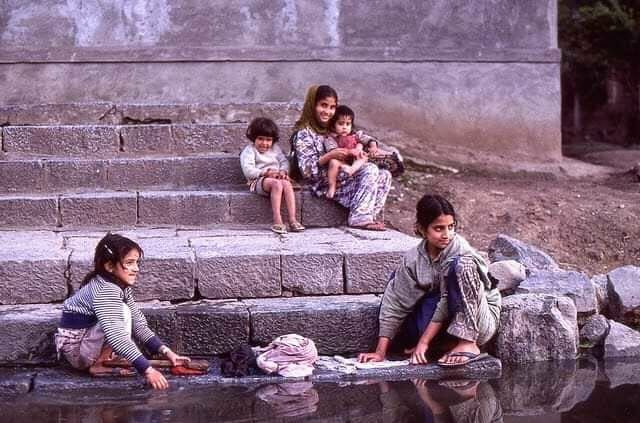


The race for sophistication threatens our valley’s timeless simplicity and cultural essence
Simplicity has always been the heartbeat of Kashmiri life. It breathed through the gentle rhythm of changing seasons, the warmth of neighbourly bonds, the aroma of Noon chai simmering in samovars, and the serene hush of snow-clad evenings. In this valley, cradled by poets, saints, and artisans, life once flowed with an effortless grace – unhurried, unpretentious, and unburdened by the vanity of excess or the hunger for display. But as Kashmir walks into the tides of modernity, one cannot help but wonder: are we quietly letting go of this treasured simplicity in our restless pursuit of sophistication?
Kashmir’s social fabric has always celebrated modesty. Traditionally, homes were small but filled with hospitality; neighbours were extensions of one’s family; and possessions were fewer but valued deeply. People measured their wealth not in terms of gadgets or cars, but in terms of contentment, respect, and a reputation for honesty. Even weddings, once intimate gatherings under decorated tents with homemade wazwan, were simple affairs. Community labour reflected interdependence rather than extravagance. Festivals, too, were more about shared prayers, folk songs, and seasonal foods than about social display. This simplicity was not poverty; it was cultural elegance. It gave Kashmir a distinct identity, a philosophy of moderation, and a serenity rare in a world increasingly obsessed with material growth.
But times have changed. Globalisation, digital media, and a consumerist economy have redefined the very idea of a good life. Sophistication now means wearing branded jeans and pherans, hosting lavish weddings in glittering banquet halls, and flaunting iPhones, SUVs, Alcazars, Balenos, and gold-laden trousseaus. Education, too, has been caught in this race. Schools once admired for their modest but disciplined atmosphere are now judged by the sleekness of their buildings, the English accents of teachers, or the foreign trips of their alumni. Even religious functions and spiritual practices, once marked by humility, are becoming platforms for grandeur and photo shoots. Not only males, but now females come on social media as Western women’s empowerment, sharing every instant of their religious conferences, from wearing garlands to melodious voices. Weddings see drone cameras hovering over bridegrooms on imported horses, while charity has turned into photo opportunities. The ethos of “less is more” is quietly being replaced by the culture of “show more, spend more”.
We now have a competitive branded flavour, from a needle to an aeroplane. We decorate homes only to impress our relatives and neighbours. I have seen employees during duty hours spending most of their time talking about “I have this and that brand” and discussing the costs of things they have used in their houses. Brand consciousness is at its climax in Kashmiri society. I have seen many families destroy already newly built houses simply because their design was not according to the latest norms. Even children are now discussing brands more than studies. Women, too, are at the forefront, saying this crockery is outdated and we must bring the latest fashionable one. When guests arrive, the only conversation is, “Wow, how dazzling this house is”, not how warm its people are. Even in parties where someone has died, I have heard women discussing consumerism instead of consoling the bereaved family. Schools have also become signs of brands, where parents say, “My son or daughter is in this or that school”, only to keep their social collar high. Even the food we eat is measured by which brand it comes from. At the time of marriage proposals, the first question is, “From where has he done MBBS or B.Tech?” because degrees are now also treated as brands and eligibility checks for giving a daughter or son in marriage.
Now, there is a clear-cut difference between the rich relatives and others. The poor relatives, though they carry great love in their hearts, often feel fear and hesitation because of this brand and consumerism concept. Many of them now prefer to rely on phone calls rather than visiting such homes physically because they cannot compete with the glitter they see. Neighbours also feel a self-threat and are afraid even to talk with such families because of their hi-fi lifestyle. Conversations are reduced to, “I have this and that brand”, “this car”, and “that car”. This has created invisible walls within families and neighbourhoods where love should have flourished. Whereas Almighty Allah has bestowed us with His countless blessings, we must be humble and down to earth so that people get inspired by our simplicity, and pray: “May Almighty Allah grant us too like them and make us generous and kind after having such a huge, luxurious life.”
The shift is not merely cultural; it has psychological consequences. Sophistication demands money, and money demands relentless pursuit. Families burden themselves with debts to host weddings that outshine others. Parents sell land to admit their children into elite schools whose fees surpass their income. Youngsters influenced by Instagram aesthetics measure their self-worth in likes and followers rather than in real friendships. This race has silently created new forms of inequality. A poor bride feels ashamed if her wedding lacks glamour. Students from humble schools feel inferior to peers carrying iPads and studying in air-conditioned classrooms. The traditional Kashmiri comfort in modesty is giving way to anxiety, competition, and alienation.
In the process, we are losing the poetry of everyday life. The Kashmiri morning once began with the crackling of kangris and the call of the muezzin echoing through wooden mosques. Today, it begins with mobile notifications and hurried plans. Village evenings, once filled with folklore around the hearth, are now replaced by online scrolling. Handcrafted objects like papier-mâché, wood carving, and hand-woven carpets are being sidelined by mass-produced factory goods. The soul of Kashmir – the quiet dignity of simplicity – is being drowned in the noise of sophistication.
This transformation has also widened the generational gap. Elders often lament that our children no longer value what we valued. For them, a modest life symbolised gratitude. For the younger generation, sophistication represents success, modernity, and global belonging. Neither side is entirely wrong. The desire to progress, seek comfort, and aspire for better opportunities is natural. Yet, the tragedy lies in mistaking extravagance for progress. True sophistication should mean the refinement of thought, culture, and values, not blind imitation of urban consumerism.
Kashmir stands today at a delicate crossroads. Should it resist the tide of sophistication and preserve its simplicity, or should it assimilate into a global culture of consumption? The answer perhaps lies in balance. Simplicity does not mean stagnation. It does not reject education, technology, or prosperity. What it rejects is excess, arrogance, and waste. Similarly, sophistication need not mean hollow showmanship; it could mean adopting refinement in manners, innovation in art, and excellence in education. If sophistication is redefined as intellectual depth rather than material glitter, Kashmir can retain its soul while still engaging with the modern world.
To revive simplicity, Kashmir needs conscious cultural choices. Schools must teach humility, empathy, and community service alongside academics. Weddings and festivals can be made meaningful by focusing on togetherness rather than luxury. Valuing local art, crafts, and foods helps resist the invasion of soulless mass consumption. Using technology as a tool rather than a master can restore real human connections. Intellectuals, religious leaders, and policymakers should lead by example, showing that dignity lies in modesty, not extravagance.
The soul of Kashmir has always thrived in its ability to live simply yet profoundly. The snow-peaked mountains, the tranquil Dal, the chinar leaves falling in autumn; all remind us that beauty does not need adornment. In chasing sophistication, Kashmir risks losing not just its cultural charm but also its mental peace. True refinement lies not in expensive banquets or designer labels but in kindness, honesty, hospitality, and wisdom; the very values that once made Kashmir a paradise, not just of nature but of humanity. So, as we stand at this cultural juncture, the question is not whether to embrace modernity or not, but whether we can embrace it without losing ourselves. Simplicity must not be buried under the weight of sophistication; it must be its guiding light. For in the end, it is simplicity, not show, that sustains civilisations.
Er Umair ul Umar
um***********@***il.com