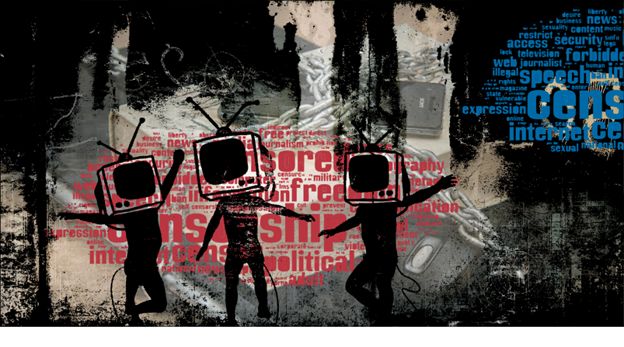


Lessons can also be learned from countries that have implemented effective measures to curb hate speech
In today’s interconnected world, media plays a significant role in shaping public opinion and disseminating information. While the media can be a powerful force for good, it can also be manipulated to spread hate, division, and intolerance. This article sheds light on the importance of blocking media that spreads hate and examines the role of the Indian government, social media platforms, and electronic media in tackling this issue. Additionally, examples from around the globe will be explored to provide a broader context. The article published in “The Hindu” on “Selling hate through Music” on 15th June 2023 highlights and emphasises the normalization of hate speech and the lack of government intervention. Despite the genocidal undertones present in the lyrics, these singers have amassed hundreds of thousands of subscribers on their YouTube channels. This popularity is attributed to their claims of being proponents of Hindu nationalism and supporters of prominent political figures. This alignment with influential politicians further solidifies their influence and validates their message of hate.
The power of media in influencing society
Media, in all its forms, has the potential to shape public narratives, influence attitudes, and impact societal harmony. Whether it is traditional print and broadcast media or the increasingly dominant social and electronic media platforms, the power of information dissemination cannot be underestimated.
However, the misuse of media for propagating hate speech and divisive ideologies poses a grave threat to social cohesion, peace, and stability. Hate-filled content, when allowed to proliferate, can deepen existing divisions, incite violence, and marginalize vulnerable communities.
The role of Indian government
Governments bear a crucial responsibility in ensuring the media operates within ethical boundaries and safeguards societal well-being. The Indian government, in particular, plays a vital role in addressing hate speech and media that promotes intolerance.
While freedom of speech and expression are fundamental rights, they are not absolute. Governments must strike a balance between protecting these rights and preventing the spread of hate speech and harmful content. Legislation, regulation, and enforcement mechanisms should be in place to curb the dissemination of hateful narratives.
Moreover, the government should actively condemn hate speech, promote inclusive policies, and foster dialogue among diverse communities. It should collaborate with media organizations, civil society, and technology companies to develop effective strategies for countering hate speech and fostering digital literacy.
The role of social media platforms
Social media platforms have revolutionized communication and information sharing. However, they also face challenges in curbing the spread of hate speech and extremist content. Companies must prioritize the development and enforcement of robust community guidelines that explicitly prohibit hate speech and promote responsible content moderation.
Furthermore, social media platforms should invest in technology and employ algorithms that can detect and remove hate speech promptly. Close cooperation between these platforms and governments is essential to address the issue effectively.
Examples from around the globe
Instances of media spreading hate are not limited to a particular region or country. In Myanmar, for instance, hate speech propagated through social media platforms fueled the Rohingya crisis, leading to widespread violence and displacement.
1. Rwanda Genocide (1994): Hate speech played a significant role in fueling the ethnic tensions that led to the Rwandan Genocide. Radio stations, specifically Radio Télévision Libre des Mille Collines (RTLM), propagated hate-filled messages against the Tutsi population, dehumanizing and inciting violence against them. This widespread dissemination of hate speech contributed to the mass anger and animosity between the Hutu and Tutsi communities, resulting in the brutal genocide that claimed the lives of approximately 800,000 people.
2. Holocaust (1941-1945): Adolf Hitler and the Nazi regime utilized propaganda and hate speech to marginalize and dehumanize Jewish people, as well as other minority groups. Hitler’s inflammatory rhetoric, along with the dissemination of anti-Semitic publications and speeches, instigated mass anger and hatred against Jews. This ultimately led to the implementation of policies that resulted in the systematic extermination of six million Jews during the Holocaust.
3. Bosnian Genocide (1992-1995): During the Bosnian War, hate speech played a critical role in escalating tensions between ethnic and religious groups. Leaders, such as Radovan Karadzic and Ratko Mladic, employed divisive rhetoric through media outlets, including radio stations and newspapers, to fuel animosity and justify violence against Bosnian Muslims. This led to widespread anger and a climate of hostility, contributing to the mass killings, ethnic cleansing, and sexual violence that unfolded during the conflict.
4. Rohingya Crisis (2017-present): The Rohingya crisis in Myanmar has been characterized by systemic discrimination, violence, and mass displacement. Hate speech disseminated through social media platforms, primarily Facebook, has played a significant role in exacerbating tensions between the majority Buddhist population and the Rohingya Muslim minority. False information, incendiary posts, and hate speech targeting the Rohingya community have fueled widespread anger, leading to violent attacks, mass killings, and the forced displacement of hundreds of thousands of Rohingya people.
5. Srebrenica Massacre (1995): During the Bosnian War, the Srebrenica Massacre stands out as one of the darkest chapters. Serbian forces under General Ratko Mladic’s command carried out the genocide of approximately 8,000 Bosniak men and boys in the United Nations-declared safe area of Srebrenica. Prior to the massacre, hate speech, particularly by political and military leaders, dehumanized and demonized Bosniaks, fostering an environment of extreme animosity. The dissemination of hate-filled propaganda and rhetoric played a significant role in inciting mass anger and justifying the horrific crimes committed during the Srebrenica Massacre.
These examples illustrate the dangerous consequences of hate speeches and media in inciting mass anger, polarization, and ultimately leading to genocides and violent conflicts. They emphasize the importance of combating hate speech, promoting tolerance, and fostering dialogue to prevent the escalation of violence and protect the fundamental rights of all communities.
Lessons can also be learned from countries that have implemented effective measures to curb hate speech. Germany, for instance, enacted the Network Enforcement Act (NetzDG)to combat online hate speech. This law holds social media platforms accountable for promptly removing illegal content, including hate speech, within a specified time frame.
Conclusion
To foster a harmonious and inclusive society, it is imperative to block the media that spreads hate and incites violence. The Indian government must play a proactive role in enacting legislation, promoting dialogue, and enforcing regulations that combat hate speech.
Simultaneously, social media platforms and electronic media organizations should prioritize responsible content moderation, promote digital literacy, and collaborate with governments to combat the spread of hate speech.
By working collectively, we can create an environment where the media serves as a tool for positive change, tolerance, and understanding. Only then can we build societies that thrive on unity, respect, and compassion, while upholding the principles of freedom of speech and expression.
The author is a Ph.D. Research Scholar, Gold Medalist, CSIR-NET, DST-INSPIRE Fellow, Pondicherry University. He can be reached at yu***********@***il.com