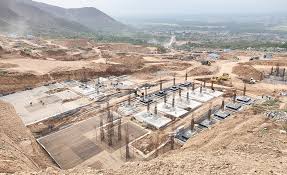


The establishment of AIIMS Awantipora is widely regarded as one of the most significant developmental initiatives undertaken in Jammu and Kashmir in recent years. From the perspective of ordinary citizens, the primary concern is not who deserves credit but whether the project effectively serves public needs.
Firdous Malik
The establishment of the All India Institute of Medical Sciences (AIIMS) at Awantipora is widely regarded as one of the most significant developmental initiatives undertaken in Jammu and Kashmir in recent years. As a premier medical institution, AIIMS represents progress in healthcare, education, research, and employment generation. The project has generated considerable public interest and optimism, as people view it as a milestone that can transform the region’s healthcare landscape and improve the quality of life for thousands of residents.
For decades, access to advanced medical treatment remained a challenge for many people in Jammu and Kashmir. Patients requiring specialised healthcare services often had to travel to major cities outside the region, incurring substantial financial expenses and emotional stress. The development of AIIMS Awantipora is expected to address these challenges by bringing world-class healthcare facilities closer to the people. The institution has the potential to reduce the burden on existing hospitals, improve healthcare accessibility, and provide advanced treatment options within the region itself.
Beyond healthcare, AIIMS Awantipora is expected to emerge as a centre of academic excellence. Medical students from Jammu and Kashmir and other parts of the country will have the opportunity to receive quality education and training in a prestigious institution. The presence of highly qualified faculty members, modern laboratories, and advanced research facilities will contribute to the development of skilled healthcare professionals capable of serving society effectively. The institute is also expected to encourage scientific research and innovation, creating opportunities for discoveries that may contribute to the advancement of medical science.
The economic implications of AIIMS Awantipora are equally significant. Large institutions generate employment opportunities directly and indirectly. During its construction and subsequent operation, the project is expected to create jobs for engineers, architects, healthcare professionals, administrative staff, technicians, support workers, and numerous other categories of employees. Local businesses may also benefit from increased economic activity resulting from the presence of students, staff, patients, and visitors. Restaurants, transportation services, accommodation providers, and retail establishments are likely to experience growth as a result of the institution’s development.
The significance of AIIMS Awantipora extends beyond its physical infrastructure. It symbolises a broader vision of development and modernisation in Jammu and Kashmir. Investments in healthcare and education are often considered indicators of a society’s commitment to long-term progress. By strengthening these sectors, governments and institutions contribute to the overall well-being of citizens and create conditions that support sustainable growth.
At the same time, major development projects often become subjects of political discussion and debate. Different political groups, governments, and leaders may highlight their respective roles in planning, approving, funding, or implementing such initiatives. This is a common phenomenon in democratic societies where political actors seek recognition for achievements associated with their tenure or policy decisions. Development projects frequently involve multiple stages extending over several years, making it difficult to attribute success to any single individual or organisation.
The discussion surrounding AIIMS Awantipora reflects this broader reality. Various stakeholders may emphasise different aspects of the project’s history, pointing to contributions made at different stages of its development. Some may focus on policy decisions, while others may highlight advocacy efforts, administrative actions, or public support that helped bring the project to completion. Such debates are not unique to this institution; they are common whenever significant infrastructure projects are undertaken.
However, from the perspective of ordinary citizens, the primary concern is often not who deserves credit but whether the project effectively serves public needs. For patients seeking quality treatment, students pursuing medical education, and families hoping for better healthcare facilities, the practical benefits of the institution matter far more than political discussions. Citizens generally evaluate development projects based on their impact on daily life rather than the political narratives surrounding them.
This perspective highlights an important principle of democratic governance: public projects should ultimately be judged by the value they provide to society. Hospitals, schools, roads, universities, and other public institutions are created to serve citizens and improve their quality of life. While political accountability and recognition of contributions are important, they should not overshadow the fundamental purpose of development initiatives.
AIIMS Awantipora also represents the power of collective effort. Large-scale projects typically require cooperation among multiple stakeholders, including policymakers, administrators, healthcare experts, engineers, workers, and local communities. Their successful implementation often depends on years of planning, investment, and coordination. Recognising this collective contribution can encourage a more constructive approach to public discourse and reduce unnecessary polarisation.
The institution’s long-term success will depend not only on its establishment but also on its effective functioning. Adequate staffing, modern equipment, efficient management, quality education, and patient-centred healthcare services will be essential for realising its full potential. Continued investment and support will be necessary to ensure that AIIMS Awantipora becomes a centre of excellence capable of meeting the evolving healthcare needs of the region.
Furthermore, the presence of a premier medical institution can inspire future generations. Young students may view AIIMS as a symbol of opportunity and aspire to pursue careers in medicine, research, and healthcare. Such aspirations can contribute to the development of a highly skilled workforce and strengthen the region’s capacity for innovation and service.
In many ways, AIIMS Awantipora embodies the aspirations of a society striving for better healthcare, education, and economic opportunities. Its significance lies not merely in the construction of buildings or the establishment of an institution, but in the possibilities it creates for individuals and communities. The project represents hope for improved healthcare outcomes, enhanced educational opportunities, and a stronger foundation for regional development.
As Jammu and Kashmir continues its journey toward progress and modernisation, initiatives such as AIIMS Awantipora serve as reminders of the transformative power of investment in human development. The institution has the potential to improve lives, reduce inequalities in healthcare access, and contribute to the broader social and economic advancement of the region.
Ultimately, the true measure of AIIMS Awantipora’s success will not be determined by debates over recognition or ownership. Its success will be reflected in the patients who receive life-saving treatment, the students who achieve their educational dreams, the researchers who contribute to medical knowledge, and the communities that benefit from improved healthcare services. These outcomes represent the real purpose of development and the enduring legacy of public institutions dedicated to serving society.
ma*************@***il.com