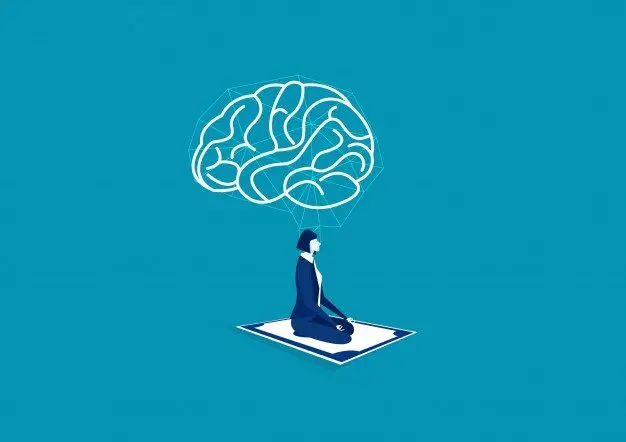


Distractions steal our focus, fragment our moments, and quietly rob our lives. Learning to master focus is the key to unlocking true potential and building a meaningful and successful life.
In today’s world, where every comfort and facility is within our reach, one thing has quietly slipped away — focus. The greatest thief of our generation is not poverty or lack of opportunities, but distraction. It is a silent enemy that slowly eats away at our time, our peace, and our dreams.
Distraction is anything that pulls a person away from their real purpose. For students, it could be the endless scrolling on a phone, the lure of social media, the noise of the outside world, or even their own negative thoughts. What makes distraction so dangerous is that it looks harmless — yet it quietly takes away hours, days, and even years.
Distractions are not just noises around us—they are silent battles within us. Every notification, every wandering thought, every unnecessary conversation pulls us away from the present moment, scattering our energy like sand slipping through fingers. To overcome them, we must first accept that the mind will always seek escape when the heart resists discipline. The antidote lies in awareness: noticing the drift and gently guiding our focus back, again and again, like bringing a restless child home. Protecting our time means protecting our dreams—so we must learn to say no, not just to others, but also to ourselves when the urge to escape arises. Clearing our physical space, practising stillness, and embracing single-tasking slowly retrain the brain to find peace in depth rather than chaos in speed. Distractions will never vanish from life, but when we master the art of choosing, we turn noise into silence, and silence into strength.
Distraction never begins with force. It whispers softly: “Just five minutes on the phone” or “Let me check one message”. But those five minutes turn into hours, and those hours become a habit. Slowly, studies remain incomplete, careers lose direction, and a person’s confidence begins to fade.
There are two main forms of distraction:
- External Distractions — phones, friends, noise, or entertainment. For example, when friends skip classes, it is tempting to follow them, even if we know it harms us.
- Internal Distractions — negative thoughts, overthinking, or daydreaming. A student may think, “What if I fail the exam? What will people say?” or waste time imagining success without hard work. Both are equally damaging.
The Impact of Distractions in Our Lives
Distractions might look small in the moment, but their impact is profound. They chip away at our ability to stay present, leaving us half-involved in everything yet fully committed to nothing. When we allow distractions to govern our days, we slowly lose control over our time, our goals, and even our relationships. Professionally, they dilute productivity and creativity—tasks take longer, ideas lose depth, and focus becomes fragile. Personally, they steal presence from our closest bonds; we scroll through screens while conversations fade, or drift into worries while life quietly passes. Over time, this constant splitting of attention builds restlessness within, where the mind struggles to sit still, the heart struggles to feel deeply, and the soul struggles to find peace. The cost is not only measured in missed deadlines or unfinished dreams, but also in missed moments—those silent, priceless pieces of life that distractions so easily erase.
The effect of distraction goes far beyond unfinished homework. It damages careers, creates restlessness in the mind, and changes behavior. Students become irritated, angry without reason, and prefer isolation. Family relationships also suffer because distraction steals patience and peace.
How People Get Trapped
Distraction is a trap because it feels good at first. The phone gives quick pleasure, friends give comfort, and daydreaming gives false hope. But in reality, these are chains that hold us back from real growth. The tragedy is that most people realize this only after losing valuable years. Most people don’t fall into distractions consciously—they slip into them quietly. It begins with a small escape: checking a phone “for just a minute,” drifting into a thought “just for a while,” or switching tasks, thinking it will save time. But these small detours add up, creating a loop where the brain starts craving constant stimulation. Modern life makes the trap even tighter—apps are designed to hijack our attention, notifications are engineered to feel urgent, and multitasking is glorified as efficiency. Over time, the mind becomes restless, always seeking the next ping, the next scroll, the next rush of novelty. What feels like harmless breaks eventually becomes a habit, and that habit becomes a cage. People don’t even realise they are trapped until their focus feels impossible to hold, their productivity fades, and their inner peace feels like a distant memory. Distractions don’t just enter our lives—they rewire them.
Teenage Years: The Hardest Battle
For teenagers, distractions are not just interruptions—they often become lifestyles. With phones buzzing every few seconds, endless social media feeds, and peer pressure to stay constantly “online,” focus has turned into a rare luxury. The teenage brain is still developing its ability to manage impulses and build long-term discipline, which makes it more vulnerable to distraction traps. Hours slip away in scrolling, gaming, or multitasking, leaving little energy for studies, creativity, or even real conversations. Over time, this not only affects academic performance but also confidence, emotional well-being, and relationships with family and friends. The saddest part is that many teenagers mistake distraction for relaxation, not realising that it quietly steals their potential. If focus is the seed of future success, then distractions are the weeds choking it before it grows.
Staying away from distractions during teenage years is indeed difficult. At this age, the mind is curious, emotions are strong, and the desire to explore is natural. Yet, it is not impossible. With self-control, discipline, and the right motivation, teenagers can train themselves to choose growth over waste.
Overcoming distractions:
Overcoming distraction begins with one thing: motivation. For me, my biggest motivation is my family. I have seen how some relatives are quick to celebrate our failures, but never present in our struggles. That itself pushes me to prove that I can achieve something greater.
Practical steps to overcome distractions include:
Setting clear goals each day.
Limiting phone usage by fixing specific times.
Surrounding ourselves with people who inspire, not mislead.
Replace negative thoughts with positive actions.
Remembering that every minute wasted brings us further away from our dreams.
Distraction may look small, but its impact is massive. It has the power to destroy futures quietly, without warning. But once we recognise it, we also gain the power to defeat it.
Teenagers must understand that focus is not about getting marks — it is about building a life of dignity, independence, and success. The world may try to pull us away, but our dreams, our families, and our future deserve better.
The choice is ours: to remain trapped by distraction, or to unmask it and reclaim our focus.
Afeefa Jan
sh************@***il.com