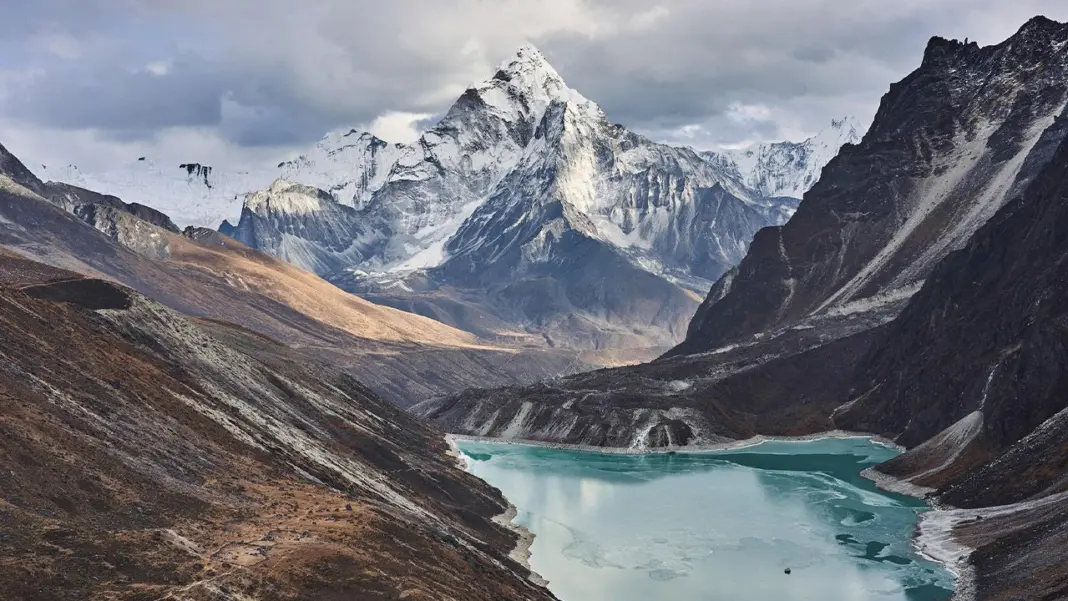


As floods, landslides, and droughts threaten livelihoods and ecosystems, a multi-pronged strategy is needed to build resilience and safeguard the region’s future
Climate change has emerged as one of the most pressing global challenges, and its impact is particularly severe in ecologically fragile regions like Jammu and Kashmir (J&K). Nestled in the northwestern Himalayas, J&K is highly vulnerable to environmental degradation due to its unique topography, fragile glacial systems, dense forest cover, and heavy dependence on climate-sensitive sectors such as agriculture, horticulture, and tourism. The region’s rivers, lakes, and wetlands, which sustain livelihoods and biodiversity, are increasingly under stress due to rising temperatures and erratic weather patterns. Over the past decade, the area has experienced alarming shifts in climatic conditions, including unprecedented floods, delayed or erratic snowfall, frequent landslides, heatwaves, and unseasonal rainfall. These changes not only threaten biodiversity and natural resources but also have profound socio-economic implications for millions of inhabitants, particularly farmers, pastoralists, and communities living along riverbanks and hilly terrains.
One of the most significant events highlighting J&K’s vulnerability to climate change was the September 2014 floods, which submerged large parts of Srinagar and several other districts. Triggered by continuous heavy rainfall coupled with overfilled rivers and encroachment on natural floodplains, the floods caused massive destruction to homes, roads, bridges, and agricultural fields. Thousands of families were displaced, and the economic losses ran into billions of rupees. Since then, the region has continued to experience severe climate-induced disasters. For instance, the July 2022 Amarnath cloudburst triggered flash floods that claimed several lives and damaged pilgrimage routes, while recurrent landslides in districts such as Ramban, Doda, and Poonch have disrupted transport and communication networks, highlighting the unpredictability and intensifying severity of climatic events.
The increasing frequency and intensity of such disasters are closely linked to broader climatic changes, including rising average temperatures, shrinking glaciers, changing precipitation patterns, and deforestation. Recent studies indicate that the Kashmir Himalayas have warmed by approximately 1.2°C over the past century, with the last two decades showing a particularly steep increase. This warming has accelerated the melting of glaciers and snowpacks, altering river flows and increasing the risk of floods during summer months while reducing water availability during winter. Erratic snowfall and early snowmelt have disrupted traditional agricultural calendars and horticultural practices, particularly affecting apple cultivation, saffron farming, and paddy production, which form the backbone of Kashmir’s rural economy.
Additionally, anthropogenic activities have compounded the region’s vulnerability. Unplanned urbanisation, deforestation, construction along riverbanks, and encroachment on wetlands have reduced the natural capacity of the landscape to absorb excess rainwater, further aggravating floods and soil erosion. Major lakes and wetlands, including Dal Lake, Wular Lake, and Hokersar Wetland, have been degraded due to siltation, pollution, and land reclamation. Infrastructure development along steep slopes and highways such as the Jammu-Srinagar NH-44 has also increased the susceptibility to landslides, causing frequent disruptions and economic losses.
Recent disasters underscore the urgent need for integrated climate adaptation and disaster mitigation strategies. The Thathri land subsidence in 2023, the Chositi (Kishtwar) cloudburst in 2025 that claimed over 65 lives, and recent repeated monsoon floods across Jammu and Kashmir reveal that climate change, coupled with human-induced environmental degradation, is pushing the region toward a crisis point. This calls for a multi-dimensional approach combining scientific monitoring of glaciers and hydrology, sustainable land-use planning, forest and wetland restoration, early-warning systems, and climate-resilient agriculture, to safeguard the ecological and socio-economic stability of Jammu and Kashmir.
- Climate Trends in Jammu & Kashmir
Jammu and Kashmir’s unique topography and location in the northwestern Himalayas make it highly sensitive to climatic fluctuations. Over the past few decades, meteorological data and scientific studies have highlighted several alarming trends:
- Rising Temperatures:
Average temperatures in the Kashmir Valley have risen by approximately 1.2°C over the past century, with the last two decades showing a particularly steep increase. Winter months have become warmer, reducing snowfall in lower-altitude areas, while summers have become hotter, increasing glacial melt.
- Erratic Rainfall Patterns:
Rainfall has become more unpredictable, with heavy downpours concentrated in short periods. Data from 2015–2025 shows an increasing frequency of cloudbursts, especially in hilly districts like Kishtwar, Ramban, and Doda, often triggering flash floods and landslides.
- Glacial Retreat and Snowpack Decline:
Glaciers such as Kolahoi, Baltal, and Thajiwas are retreating at an alarming rate. This not only reduces long-term water availability but also increases the intensity of floods during the summer months when snowmelt coincides with heavy rainfall.
- Increase in Extreme Weather Events:
Events such as the 2022 Amarnath cloudburst, the 2023 Thathri land subsidence, and the 2025 Chositi flash floods indicate a rising frequency of extreme weather occurrences.
These events demonstrate a clear trend of short-duration, high-intensity rainfall events in the region, which traditional drainage systems and wetlands cannot handle.
- Impact on Agriculture and Horticulture:
Erratic snowfall, unseasonal rains, and heatwaves have disrupted traditional cropping patterns.
Kashmir’s apple and saffron cultivation, which depend on stable winter and spring temperatures, have suffered significant losses, threatening the livelihoods of thousands of farmers.
- River and Lake Systems Under Stress:
Rivers like the Jhelum, Chenab, and Tawi are experiencing greater fluctuations in water flow due to changing precipitation patterns and glacial melt.
Wetlands such as Dal Lake, Wular Lake, and Hokersar are losing their capacity to act as natural flood buffers due to siltation and encroachment, aggravating flood risks.
Overall, these climate trends indicate that Jammu and Kashmir is becoming increasingly vulnerable to extreme weather events, with significant implications for water resources, agriculture, infrastructure, and the livelihoods of its residents. Immediate monitoring and adaptive measures are essential to mitigate these growing risks.
- Environmental Degradation and Human Factors
While climate change drives many of the extreme weather events in Jammu and Kashmir, human-induced environmental degradation has significantly worsened the impact of these disasters. Several key factors contribute to the region’s heightened vulnerability:
- Deforestation and Loss of Vegetative Cover:
Rampant tree felling for timber, firewood, and construction has reduced forest density, particularly in hilly districts such as Doda, Ramban and Kishtwar.
Loss of vegetation destabilises slopes, increasing the risk of landslides during heavy rains and cloudbursts.
- Unplanned Urbanisation:
Rapid urban expansion in Srinagar, Jammu, and other towns has encroached upon floodplains, wetlands, and riverbanks.
Concrete construction reduces natural water absorption, leading to waterlogging and urban flooding during heavy rainfall.
- Encroachment and Degradation of Wetlands:
Lakes and wetlands like Dal Lake, Wular Lake, and Hokersar have been subjected to land reclamation, siltation, and pollution.
This diminishes their natural capacity to absorb excess rainfall, aggravating flood severity in nearby areas.
- Soil Erosion and Landslides:
Overgrazing, deforestation, and improper agricultural practices have led to soil instability on steep slopes.
This increases the frequency and intensity of landslides along highways and village settlements, disrupting transport and endangering lives.
- Infrastructure Development in High-Risk Areas:
Construction of roads, bridges, and settlements in vulnerable zones along rivers and steep terrains has intensified flood and landslide risks.
Highways such as NH-44 have repeatedly been blocked due to landslides, highlighting poor planning in disaster-prone zones.
- Pollution and Waste Management Issues:
Improper disposal of solid waste, industrial effluents, and untreated sewage contributes to drainage blockages, reducing natural water flow during heavy rains. This urban mismanagement amplifies the impact of floods in towns and cities.
Combined with changing climatic patterns, human-induced environmental degradation has magnified the vulnerability of Jammu and Kashmir to floods, landslides, and other natural disasters. Addressing these factors through sustainable planning, afforestation, and wetland conservation is critical for mitigating future risks.
- Impact of Recent Disasters on Communities and Economy
The recurring floods and cloudbursts over the past decade, including the 2022 Amarnath cloudburst, 2023 Thathri land subsidence, and 2025 Chositi and Vaishno Devi floods, have had far-reaching impacts on communities and the economy of Jammu and Kashmir:
- Loss of Life and Displacement:
Recent disasters have claimed hundreds of lives, with many more injured or missing.
Thousands of families have been displaced, forced to live in temporary shelters, or relocate permanently due to destroyed homes.
- Destruction of Infrastructure:
Roads, bridges, schools, hospitals, and power lines have been extensively damaged.
Highways such as NH-44 and NH-1A have frequently been blocked due to landslides and floods, disrupting connectivity between major cities and towns.
- Agricultural and Horticultural Losses:
Floods and cloudbursts have destroyed paddy fields, orchards, saffron fields, and vegetable crops.
The livelihoods of thousands of farmers have been jeopardised, particularly in districts like Pulwama, Anantnag, and Shopian.
- Impact on Tourism and Pilgrimage:
Key pilgrimage routes, including Vaishno Devi and Amarnath, have been disrupted, causing cancellations and economic losses to local businesses.
Tourism-dependent livelihoods, including hotels, transport, and guides, have faced setbacks after each disaster.
- Economic Losses and Financial Strain:
The cumulative financial impact of floods, landslides, and cloudbursts over the past decade is estimated in billions of rupees.
Damage to infrastructure, crops, and businesses strains state resources and requires significant disaster relief funding.
- Psychosocial and Community Impacts:
Survivors face trauma, anxiety, and stress, particularly in areas repeatedly affected by natural disasters. Community displacement has disrupted social networks and traditional livelihoods, contributing to long-term vulnerability.
Recent climatic disasters have severely impacted communities, livelihoods, and the economy of Jammu and Kashmir. Repeated floods, cloudbursts, and landslides have not only caused immediate destruction but also heightened long-term vulnerability, underlining the need for integrated disaster management and community resilience planning.
- Government Response and Disaster Management
The increasing frequency and intensity of floods and cloudbursts in Jammu and Kashmir have necessitated coordinated action from the state government, central agencies, and local authorities. Over the past decade, several measures have been implemented to mitigate disaster impacts:
- Immediate Relief and Rescue Operations:
During the 2025 Chositi and Vaishno Devi floods, the Jammu & Kashmir Disaster Management Authority (JKDMA) and National Disaster Response Force (NDRF) deployed teams for search and rescue.
Thousands of stranded residents and pilgrims were evacuated using boats, helicopters, and temporary shelters.
Medical teams were deployed to prevent outbreaks of waterborne diseases in flood-affected areas.
- Financial Assistance and Compensation:
The UT government announced ex-gratia payments for victims’ families, including Rs 6 lakh per deceased in major disasters.
Relief funds totalling Rs 10–15 crore were allocated to district administrations for immediate rehabilitation and reconstruction efforts.
- Infrastructure Restoration and Rehabilitation:
Damaged roads, bridges, schools, and hospitals were prioritised for repair.
Temporary shelters and relief camps were set up for displaced families, ensuring access to food, water, and healthcare.
- Early Warning Systems and Monitoring:
Meteorological departments and JKDMA have strengthened flood and cloudburst early warning systems.
Real-time monitoring of rainfall, river levels, and glacial melt has improved response times, though challenges remain in remote, hilly areas.
- Community Engagement and Awareness:
Awareness campaigns educate residents about flood safety, landslide-prone zones, and evacuation procedures.
Local volunteers and Panchayati Raj institutions have been trained to assist during emergencies.
- Long-term Disaster Management Planning:
Efforts are underway to develop climate-resilient infrastructure, including strengthened embankments, improved drainage systems, and slope stabilisation.
State authorities are working with central agencies to implement forest conservation, wetland restoration, and sustainable urban planning to reduce future disaster risks.
The government’s response to recent disasters in Jammu and Kashmir highlights a growing focus on rescue, relief, and rehabilitation, alongside long-term disaster management planning. Strengthening early-warning systems, infrastructure resilience, and community preparedness remains crucial to mitigate the impact of future climatic events.
- Recommendations and Way Forward
To reduce the impact of climate change and environmental degradation in Jammu and Kashmir, a multi-pronged approach combining scientific, administrative, and community-driven measures is essential. The following recommendations focus on long-term climate adaptation, disaster risk reduction, and sustainable development:
- Strengthening Early Warning and Monitoring Systems:
Expand real-time rainfall, river, and glacier monitoring using modern technology. Integrate satellite imagery, weather forecasts, and IoT sensors to predict floods, cloudbursts, and landslides.
Develop community alert systems in remote villages to ensure timely evacuation.
- Sustainable Urban Planning and Flood Management:
Prevent construction on floodplains, wetlands, and high-risk slopes. Promote green infrastructure, such as permeable pavements, rain gardens, and urban wetlands, to reduce waterlogging.
Strengthen drainage networks in towns and cities to manage excess rainfall.
- Forest Conservation and Reforestation:
Implement large-scale afforestation and reforestation programs, particularly in landslide-prone areas. Protect existing forests from illegal logging and encroachment.
Promote community forestry programs that involve locals in sustainable forest management.
- Wetland and River Restoration:
Restore and desilt Dal Lake, Wular Lake, Hokersar Wetland, and other key water bodies to improve flood absorption capacity. Protect riverbanks with bioengineering techniques and natural vegetation buffers.
Control pollution and encroachment to maintain ecological integrity.
- Climate-Resilient Agriculture and Horticulture:
Introduce drought- and flood-resistant crop varieties suitable for the region. Promote modern irrigation techniques, including drip irrigation and rainwater harvesting.
Educate farmers about adaptive agricultural practices to cope with erratic weather.
- Disaster Preparedness and Community Training:
Train local communities and volunteers in disaster response, first aid, and evacuation. Develop community shelters equipped with food, water, and medical supplies.
Conduct regular mock drills in flood- and landslide-prone districts.
- Policy and Governance Measures:
Strengthen coordination between state and central disaster management authorities. Introduce stringent regulations for construction, deforestation, and industrial activities in ecologically sensitive areas.
Allocate dedicated funding for climate adaptation projects and long-term resilience planning.
A proactive and integrated approach is critical for Jammu and Kashmir to adapt to climate change, reduce disaster risks, and safeguard livelihoods. Strengthening early warning systems, restoring natural ecosystems, promoting sustainable agriculture, and fostering community preparedness can collectively enhance the region’s resilience against future climatic events.
- Final insights
Jammu and Kashmir stands at the forefront of climate vulnerability, facing the dual threats of rapidly changing weather patterns and human-induced environmental degradation. Over the past decade, the region has witnessed devastating floods, cloudbursts, landslides, and unseasonal rainfall, including the 2022 Amarnath cloudburst, 2023 Thathri land subsidence, and 2025 Chositi and Vaishno Devi disasters, which have caused significant loss of life, displacement, and economic hardship.
Scientific data highlights alarming trends: rising temperatures, erratic rainfall, shrinking glaciers, and increasing frequency of extreme weather events. These climate changes, when compounded by deforestation, unplanned urbanisation, wetland encroachment, and inadequate infrastructure, have amplified the severity of natural disasters, threatening both ecosystems and human livelihoods. Agriculture, horticulture, tourism, and pilgrimage economies have been severely impacted, while communities continue to face psychosocial and financial stress.
Government interventions, including immediate relief, ex-gratia payments, infrastructure repair, early warning systems, and disaster management planning, have provided critical support. However, long-term resilience requires integrated climate adaptation strategies, sustainable urban planning, forest and wetland restoration, community training, and policy reforms.
The recent climatic catastrophes serve as a stark reminder that Jammu and Kashmir’s ecological and socio-economic stability is intricately linked to effective climate action. Only through coordinated efforts by government agencies, scientists, local communities, and civil society can the region mitigate future disasters, protect vulnerable populations, and build a resilient, sustainable future in the face of escalating climate threats.
The writer is pursuing a BSc Nursing (3rd Year) at the Ramzaan College of Nursing, Galandar, Pampore
Shahid Shafi Rather
sh************@***il.com