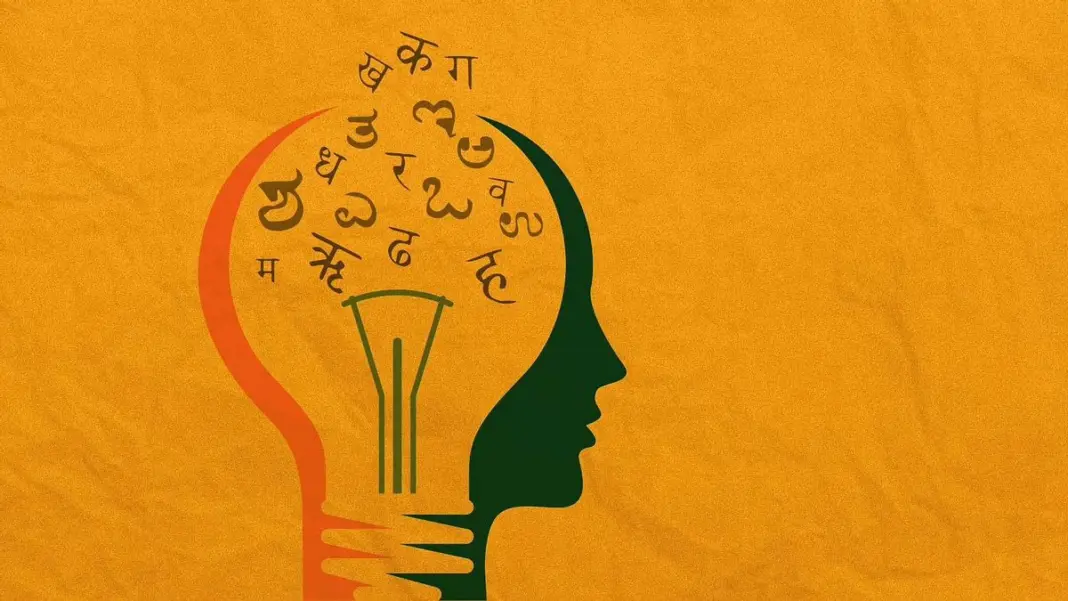


‘While modern education was meant to inspire minds and nourish hearts, it has largely been reduced to a mere means of securing jobs’
In ancient times, education was closely linked to daily life. Knowledge was passed down to the young, focusing on survival skills, moral values, and cultural traditions. The aim was not just to earn a living, but to develop wisdom, character, and a sense of duty towards society. Modern education, on the other hand, was envisioned as a force to enlighten minds, nurture creativity, and instil values that lead to a fulfilling life. However, in its present form, it often emphasises competition, standardised testing, and employability over emotional well-being and personal growth.
This shift has created a disconnect between learning and happiness, leading to stress, anxiety, and a loss of joy in education. At this crossroads, we must decide whether to continue with a system that measures success solely in economic terms or to view education as a means for the enlightenment of souls in the true sense. Philosophically, happiness is tied to inner fulfilment, a sense of purpose, and harmony with oneself and society. Ancient educational systems, whether in Plato’s Academy, Nalanda University, or Confucian schools, integrated moral training, philosophy, and arts alongside practical skills.
Modern education, however, tends to focus on measurable outcomes such as degrees, grades, jobs, and placements. At this crossroads lies the question: should education primarily prepare individuals for earning a living or for living well? Furthermore, from a social perspective, happiness thrives on positive relationships, mutual respect, and a sense of belonging. Education has the power to foster empathy, cooperation, and civic responsibility.
Happiness, in the real sense, is deeply influenced by cultural roots, traditions, and identity. Although education has historically bridged the gap between generations, transmitting values, arts, and collective memory, the globalised, market-driven curriculum often prioritises universal technical skills over cultural heritage, weakening the connection to identity and belonging.
Thus, certain causes are at the forefront: rising costs of education and living make parents and students view learning as an investment that must yield financial returns. This naturally shifts focus towards job-ready skills.
The global job market demands specialised skills, and countries push their youth to acquire these skills to remain competitive. Many national and educational policies emphasise vocational and technical training, sidelining humanities and moral education. When education is confined to producing employees, creativity and independent thought may be undervalued. It is unrealistic to deny the role of financial stability in happiness; modern education, with its strong focus on job readiness, addresses this dimension by equipping students with skills for the labour market. However, this economic emphasis can overshadow equally important aspects of personal life, fulfilment, creativity, and moral development.
At this crossroads, education must strike a balance by producing employable graduates without reducing human worth to mere economic productivity.
Way Forward:
1. Curriculum Reform
Move beyond purely job-oriented content. Introduce subjects like emotional intelligence, ethics, mindfulness, creative arts, and moral education. Teach life skills: empathy, conflict resolution, adaptability, and financial literacy.
2. Value-based Education
Reconnect education with values such as compassion, cooperation, service, and respect for diversity. Blend traditional wisdom (philosophy, culture, spirituality) with a modern scientific outlook.
3. Balance Between Employment & Enlightenment
While employability is necessary, education should also cultivate curiosity and the joy of learning. Shift from rote learning to exploration, critical thinking, and innovation.
4. Holistic Assessment: Replace exam-centric evaluation with continuous, multi-dimensional assessment. Recognise creativity, teamwork, problem-solving, and emotional growth, not just marks.
5. Mental Health Integration
Make counselling and mental health awareness part of schools and colleges. Create stress-free learning environments that prioritise well-being.
6. Teacher Training
Train teachers to be mentors, not just instructors. Encourage compassionate pedagogy, where teachers inspire rather than pressurise.
Thus, the modern education system often encourages social comparison, ranking students, glorifying top performances, and prioritising skills over local heritage and cultural literacy. This can leave individuals economically capable but culturally alienated, creating a subtle yet profound gap in their sense of happiness and belonging.
Junaid Shafi
sh***********@***il.com