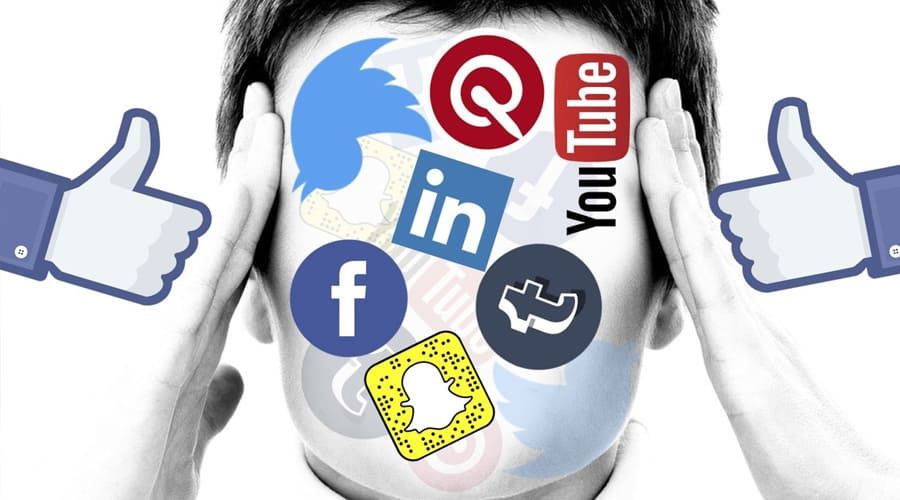


How relentless online comparison shapes our self-esteem, mental health, and sense of identity—and explores ways to restore authentic connection and inner balance
Once, comparison was occasional, between siblings, classmates, or colleagues. Today, it is constant. In our hyper-connected world, we carry a pocket-sized mirror of other people’s lives everywhere we go. Each scroll becomes a silent contest. What began as a tool for connection has quietly turned into a stage for performance, subtly shaping how we think, feel, and define ourselves. Even before the internet, comparison lived in drawing rooms, classrooms, and marketplaces, but it had pauses. Now, the pauses are gone. The mind is never given the mercy of rest from judgment, our own or others’.
At the heart of this shift lies a psychological trap: constant comparison. Every post sends a signal, someone is more successful, more attractive, more productive, more “put together” than we are. What once were private insecurities are now amplified in real time. Research shows that prolonged exposure to idealised online content can heighten anxiety, lower self-esteem, and fuel symptoms of depression, especially among the young. It is not just mental; stress hormones spike, sleep patterns are disrupted, and even our posture changes, shoulders curve inward under invisible comparison’s weight. The digital arena turns fleeting moments of self-doubt into daily reminders of what we believe we lack.
The fear of missing out, FOMO, is now part of our everyday language, but its impact runs deep. FOMO is not just missing an event; it is missing a version of yourself you believe you should already be living. We see others travelling, achieving, and celebrating, and wonder why we are not. The pressure to keep pace with an ever-changing feed fractures our sense of identity, particularly among adolescents still discovering who they are. Even moments meant for joy are staged for an audience, as living in the present takes a back seat to curating it for others.
Social platforms are not designed to inform; they are designed to engage. And engagement thrives on emotion, especially envy. Algorithms push the content that keeps us scrolling, trapping us in echo chambers where we compare our behind-the-scenes to someone else’s highlight reel. These algorithms are not designed to make us wise; they are designed to make us stay. And the more we stay, the more we compare, until our own lives feel like shadows of what they could be. As the saying goes, “In the endless mirror of comparison, we stop seeing ourselves clearly.” This distortion quietly chips away at our self-worth until we forget that our value was never meant to be measured in pixels or applause.
A teenager deletes a photo that got only 12 likes, convinced that her smile was the problem. A young professional scrolls through others’ promotions before bed, unable to sleep. These are not rare stories; they are Tuesday nights in the digital age.
The metrics we now use to measure worth, likes, followers, and views are not only superficial but engineered to be addictive. Neuroscientists have found that the dopamine rush from social media validation mirrors the brain’s response to gambling. Over time, this rewires our reward system, making genuine self-appreciation harder to access. When validation slows, it can leave an emotional void, prompting us to post more often, filter more heavily, and stage moments instead of living them. The result is not just a loss of authenticity, it is a slow erosion of emotional resilience, often unnoticed until the damage is done. In every culture, the currency of comparison differs; in some, it is beauty and youth; in others, wealth or reputation. Yet the architecture of social media has found a way to monetise all of them.
This is not a call to abandon technology, but to reclaim control. Practising “digital hygiene”, curating content intentionally, limiting screen time, and making space for offline reflection can restore balance. Schools should integrate digital well-being into their curriculum, and influencers should consider the mental impact of the narratives they project.
The antidote to constant comparison lies in authentic connections, both with ourselves and with others, in unfiltered, meaningful ways. By celebrating vulnerability over perfection, we can shift the culture from competition to compassion. Small changes, like sharing the real stories behind our successes, setting aside devices for genuine face-to-face moments, or posting content that uplifts rather than undermines, remind us that our worth is rooted in who we are, not in digital approval.
Perhaps the most radical rebellion now is not logging off forever, but logging in with your soul unshaken, refusing to measure yourself in numbers that were never meant to define you. In the end, breaking free from this cycle is not just self-preservation, it is quiet resistance. In a world designed to keep us scrolling, the boldest act may be to pause, look inward, and decide that being real is far more valuable than being liked.
Almost everything will work again if you unplug it for a few minutes… including you: Anne Lamott
The writer is a student at the Aligarh Muslim University (AMU)
Abu Zaid Kichloo
ki************@***il.com