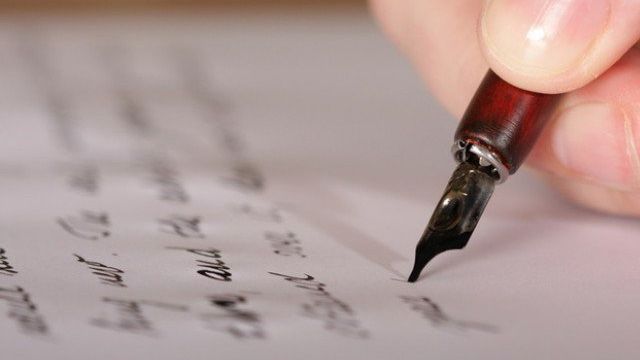
In the dimly lit backstage corridors of art and literature, the shadows tell an intriguing story – a story filled with determination, resistance, and defiance. These corridors echo with the resolute footsteps of pioneering women who were brave enough to venture into the ‘maledom’. The seemingly picturesque landscape of the world of authors and musicians appears enchanting from afar. It echoes mellifluous melodies and sounds and words but hides a murkier, daunting tale beneath. As the shadows lengthen, tales of gender bias and misogyny tint the panorama in shades of stark, piercing crimson. They bear testimony to the stark face of patriarchy, but amid these disheartening shadows rise some inspirational stories. Tales of formidable women, undeterred, challenging patriarchal shackles in pursuit of their passions – these are stories that reek of bold rebellion and exceptional talent.
The very words that weave their narratives are burdened with cultural semantics that insidiously reinforce patriarchal norms. Gender-specific expectations define their content as men continue to be associated with the ‘universal,’ and women with the ‘particular,’ resulting in their unique artistic nuances being underrated and undervalued.
These stereotypes spill over to book covers and literary genres as well, leading to unfair labelling. Books by female authors are often illustrated with ‘feminine’ designs, effectively alienating a significant potential readership, even before they flip open the first page. Many books that delve into intricate female experiences are prematurely stamped as ‘chick lit’ or ‘romance,’ suggesting that they are somehow of less literary value than other genres.
One cannot discuss this empowerment without mentioning Jane Austen, whose works beautifully depicted the Regency era’s feminine ethos. In her timeless pieces like Pride and Prejudice and Sense and Sensibility, Austen skillfully circumvented societal norms and bravely presented, with charming frankness, women who resisted the fetters of subservience. This dexterity served as her mechanism to dispute patriarchal constructs – as influential as any male author of her era. Juxtaposing Austen with her contemporary male authors highlights her bravery and significance. Arnold Bennet, revered for works like The Old Wives’ Tale, realistically captured human nature’s profundities but often cast women in archaic moulds. Unlike Bennet’s limiting portrayals, Austen offered unique insights into the intellectual capabilities of women, challenging their reductionist representation.
Across the pond in Victorian England, the pseudonymously cloaked Brontë sisters epitomise defiance against patriarchal bias in literature. Deemed unacceptable for a woman to author a book, they chose gender-neutral pseudonyms: Charlotte became Currer Bell, Emily took on Ellis Bell, and Anne opted for Acton Bell. After all, who could imagine that ‘Jane Eyre,’ a ground-breaking work of romantic and social critique, could emanate from the feathered quill of a ‘mere woman’ in 1847? Subsequently revealed, the Brontës shattered stereotypes and dealt a blow to the chauvinistic world of literature.
The recent #MeToo movement stirred a revolution, turning the spotlight on acclaimed pop star, Taylor Swift. Today, with millions swaying to her rhythm, Swift stands tall as an empowering testament against sexism in the music industry.
This criticism is not solely directed at authors or musicians, but also their audience. Jane Austen’s readers, for instance, were derogatorily referred to as ‘bored housewives’ or ‘dreamy young ladies’.
When looking at these phenomenal women, the famed quote of Virginia Woolf aptly describes their relentless battles: For most of history, Anonymous was a woman. These bold songstresses and intrepid authors bravely traversed the jagged edges of patriarchal bias. Each of them serves as an iconic symbol of undying resolve, brandishing pens and instruments not as mere tools of art but as powerful weapons of defiance against a male-dominated industry. Their enduring legacies provide future generations with a profound vision – that women too can be the thundering chorus and the commanding storytellers, lending a powerful voice to their narratives. Indeed, they are an ode to an era when silent murmurs were gradually moulded into booming proclamations.
As women raise their voices higher, one thing is crystal clear – anonymity is a chapter of the past. The new verse is the tale of celebrated, identified, and defiant women transforming the art world, defining an egalitarian future devoid of shadows and hidden identities. Anonymous no more! The age of defying notes and words has just begun!
The writer can be reached at ha*********@***il.com
Anonymous No More! Defying Notes And Words By Women Facing Patriarchy In Arts