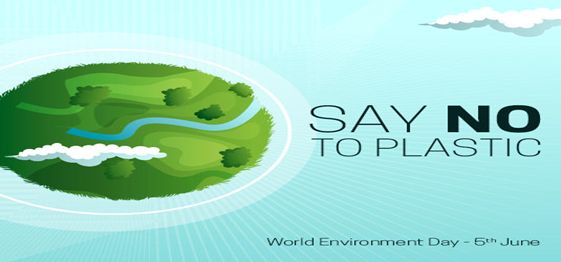


Celebrate this year’s world environment day with a slogan ‘SAY NO TO PLASTICS’
Plastic pollution refers to the accumulation of plastic waste on land or in water, which has a terrible impact on people, birds, and other animals. The effects of plastic pollution on wildlife, wildlife habitats, and people are all quite severe. Oceans, waterways, air, and land are all impacted by plastic pollution. The primary raw materials used to make plastic are synthetic resins released from petroleum. Ammonia and benzene are combined to create plastic monomers, which are then used in resins. Chlorine, fluorine, carbon, hydrogen, nitrogen, oxygen, and sulphate are just a few of the components found in plastic. Every nation in the world is currently dealing with the severe issues caused by plastic pollution. In our country, plastic pollution has had a particularly negative impact on the urban environment. In India, plastic pollution has had a particularly negative impact on the urban environment. Numerous cows, other animals, and birds are being killed in cities by ingesting plastic bags. Due to its inability to organically degrade and the lack of any capable microbes that could do so in nature, once it has created, it stays there indefinitely. It causes a significant ecological imbalance. Being insoluble in water prevents it from being destroyed as well. As a result of increased water pollution and reduced water flow on Earth, flies, mosquitoes, and other bugs that are harmful spread diseases like dengue and malaria.
How plastic contributes to pollution?
The use of plastic bottles and containers is particularly risky, according to research. Cancer can result from consuming hot food or water in a plastic container. The dangerous chemical dioxin in plastic heats up when exposed to too much sunlight or heat, severely damaging the body. Plastic bags smaller than 40 microns are not biodegradable and last an eternity in the environment. In addition to not degrading for a very long period, plastic has other negative impacts that are bad for human health. For instance, vinyl chloride is polymerized to create PVC, which is used to make pipes, windows, and doors. Brain and liver cancers can be brought on by the chemicals employed in their formulation. Bisphenol compounds are saturated to produce the very hard polycarbonate plastic used to pack machinery. These elements produce a gas that is extremely poisonous and humid. Many different kinds of plastic are produced using formaldehyde. This substance might result in skin rashes. Several days of prolonged contact can cause respiratory illnesses like asthma.
Plastic is given many organic chemicals to make it flexible. The gasification of polyethylene produces a variety of harmful substances. During the creation of plastic, these hazardous ingredients are used. In the ready (solid) plastic utensils, if the food contents are kept for a long time or the skin of the body is in contact with the plastic for a long time then the chemicals present in plastic can wreak havoc. Similarly, the plastic waste that is thrown into the garbage for a long period can leave many toxic effects on the environment. Numerous hazardous gases are produced as a result of plastic trash. As a result, there is significant air pollution, which causes dreadful diseases like cancer and stunts physical growth. Dangerous gases like ethylene oxide, benzene, and xylene are produced during the manufacture of plastic. Burning it also releases dioxin, a highly toxic substance that causes cancer. The ecology is harmed, soil and groundwater become poisonous, and over time the ecological balance begins to decline as a result of plastics in the pits. Additionally, the health of workers in the plastics business is dangerously compromised, notably in terms of their nervous system, lungs, and kidneys.
What are the causes of plastic pollution?
Even if products made of plastic assist lower- and middle-class people’s quality of life, many are oblivious to the danger that comes with their continuing use. Plastic is now a material that is utilised in places of worship, as well as in kitchens, bathrooms, living rooms, and reading rooms. Additionally, polyethylene is frequently used while transporting goods including food, produce, clothing, shoes, milk, yoghurt, oil, ghee, and fruit juice from the market. Fast food is widely available today and is frequently wrapped in polythene. Man has grown so acclimated to plastic that he no longer uses jute bags or clothing. Due to the demands of the customer, all types of polythene bags are kept by shop owners as well. It wasn’t like this four to five decades ago when bags made of clothing, jute, or paper that were good for the environment were commonplace. Modern civilization is facing a serious dilemma as a result of plastic shopping bags. They represent a serious hazard to the environment because there is no concrete plan in place for their disposal. Even in a tiny town, five to seven quintals of carry bags are sold each year. When carry bags are discarded in the form of waste in the trash after usage, the polluting process begins. Plastic carry bags never decay or deteriorate and pose harm to the environment because they are not biodegradable. In agricultural regions, the carry bags obstruct the photosynthesis of crops. Food and medications that are packaged in plastic become polluted and spoiled by starting a chemical reaction. Consuming such food puts human life in danger since it causes dreadful diseases.
Solutions to plastic pollution
It is the responsibility of society to uphold the proverb that nature is a special gift from God. People must therefore take action to stop the pollution that polyethylene causes, and everyone must take part in the solution at their own level. Everyone must put up significant effort to eliminate the threat posed by plastic, regardless of age or gender, education level or lack thereof, wealth or poverty, urban dwellers or villages. Both the elderly family members and the rest of the family should refrain from using polyethylene. The biggest step towards ending the usage of polyethylene will be taken if you properly enlighten those around you about it. Recycling plastic garbage is one of the other solution. Recycling is the process of recovering plastic from garbage and using it to create new products. A Californian company began recycling plastic around 1970. This company produced milk bottles made of plastic and tiles for the drainage of plastic spills. However, recycling plastic has its limitations because it is an expensive procedure that runs the risk of adding to pollution levels.
The author is Assistant Professor in the Department of Forestry, BFIT Group of Institutions, Dehradun and a Commission Member of IUCN CEESP, Gland, Switzerland. He can be reached at ta********@***il.com