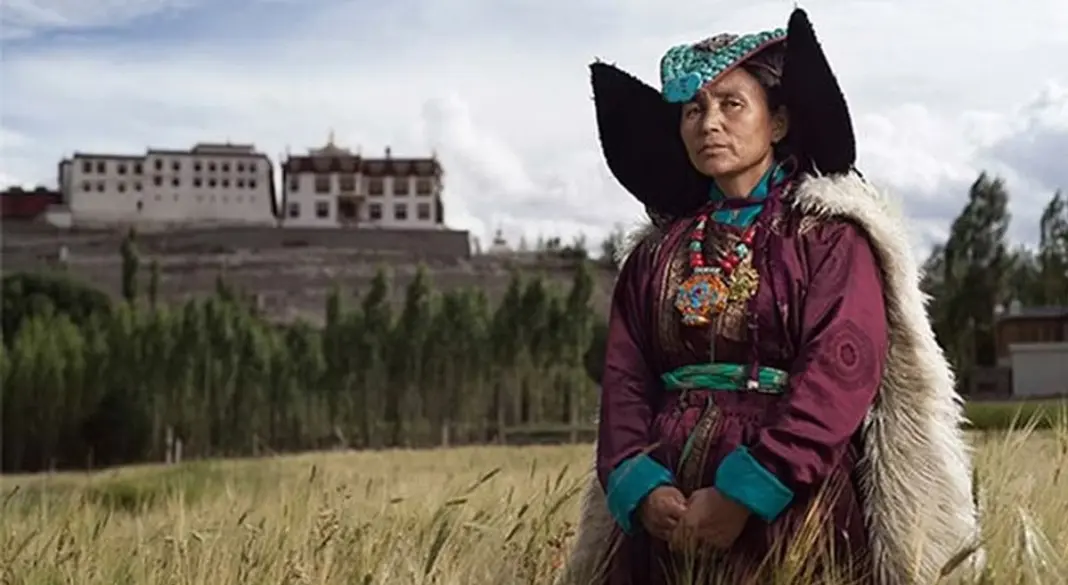


Women empowerment in Ladakh is an important issue that needs to be addressed in order to promote gender equality and give women the opportunity to fully participate in the social, economic, and political development of the region.
Ladakh is a high-altitude region in the northern Indian state, known for its unique culture, stunning landscapes, Muslim and Buddhist traditions. However, like many other parts of India, Ladakh has a long history of gender inequality, with women often facing discrimination and social barriers that limit their opportunities and rights.
One major challenge facing women in Ladakh is the traditional gender roles that often assign women to domestic and caregiving roles, while men are expected to be the breadwinners. This can lead to a lack of education and economic opportunities for women, as well as limited decision-making power within their households and communities.
In recent years, there have been efforts to address these issues and promote women’s empowerment in Ladakh. For example, many organizations and NGOs have been working to provide education and vocational training to women, as well as to raise awareness about gender equality and the importance of women’s rights.
In addition, there have been initiatives to increase the participation of women in the workforce and to provide support for women-led businesses. This can help to break down traditional gender roles and give women the opportunity to contribute to the economic development of the region.
Finally, it is important to ensure that women have access to healthcare and other essential services, including reproductive health care and maternal health care. This can help to improve the overall health and well-being of women in Ladakh and reduce the gender gap in health outcomes.
Overall, women empowerment in Ladakh requires a multi-faceted approach that addresses the social, economic, and political barriers facing women in the region. By working together and supporting initiatives that empower women, we can help to create a more equal and just society for all.
The writer is a political activist from Kargil