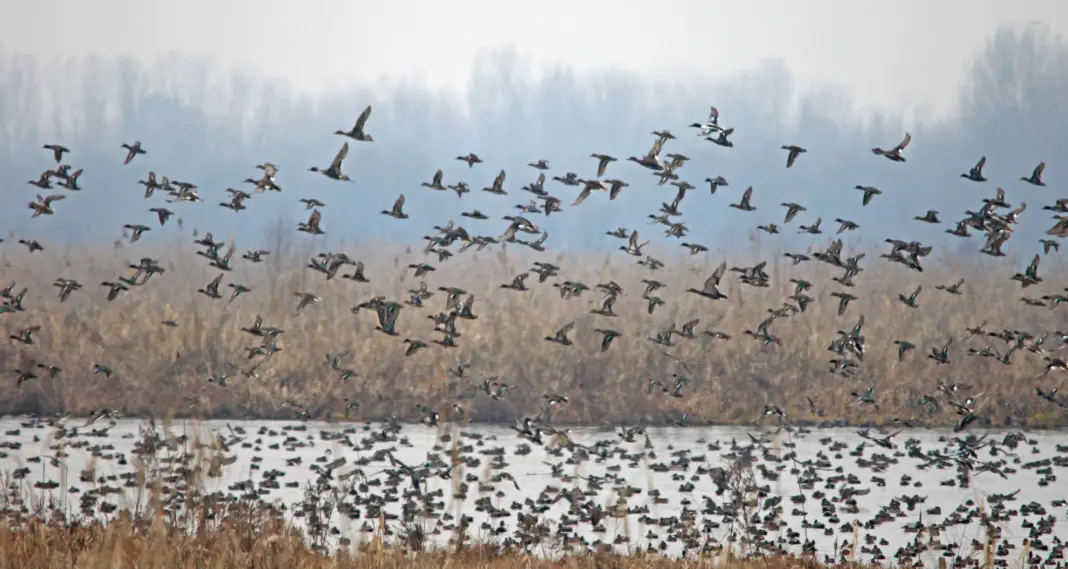


Population growth and unplanned urbanisation are transforming the valley’s fertile land into soulless concrete. Traditional livelihoods vanish as agriculture loses appeal, threatening food security and community bonds. Protecting Kashmir’s land is our debt to future generations.
By Sahil Jahangir Mir
In every civilisation, land has been more than soil and stones. It has been identity, dignity, sustenance, and the foundation on which cultures stand and nations rise. In Kashmir, land is not merely a physical asset; it is an emotion woven into our heritage, economy, and collective memory. Our ancestors tilled it, built homes on it, prayed upon it, and protected it as an heirloom to be passed down to future generations. Yet, in the Kashmir Valley today, this sacred connection is weakening, and the land that once nourished us is shrinking rapidly under the weight of population pressures, urban expansion, unplanned development, and shifting aspirations.
The loss of land resources in Kashmir is not a distant environmental crisis; it is a lived reality unfolding before our eyes. Orchards are shrinking. Concrete jungles have replaced agricultural fields. Wetlands that once acted as the valley’s lungs are suffocating under illegal dumping and construction. Forests, long considered the guardians of our valley’s ecological balance, are under assault from encroachment and environmental disregard. What began subtly has now reached a stage where the valley’s land resources are not just being reduced; they are being irreversibly transformed.
Why land matters to Kashmir
To understand the gravity of this crisis, one must first appreciate the profound value of land in Kashmir. Our valley is not designed like the vast plains of northern India or the rolling agricultural belts elsewhere. It is a mountainous bowl with limited habitable and arable land. Every inch here counts. The terrain and climate make farming both an art and a necessity, and historically, the people of Kashmir relied on land for survival and identity. Paddy fields, saffron beds, almond groves, apple orchards, and lush pastures were not simply spaces; they were livelihoods, culture, and the pride of the land.
Land in Kashmir also holds emotional significance. It is embedded in inheritance traditions, family honour, and ethnic belonging. The affection of Kashmiris for their land is reflected in folklore, poetry, and daily conversations. But with changing times, the sacred relationship between people and land has begun to shift. Where once land meant food security and generational stability, today it increasingly symbolises real estate value, construction opportunity, and a quick path to wealth.
The causes of land loss
The decline of land resources in the valley is a result of layered and interconnected pressures:
Population growth and housing demand
Population density in Kashmir has risen sharply, especially around Srinagar and adjoining districts. With joint families splitting into nuclear units and aspirations for modern housing increasing, agricultural fields are rapidly converted into residential colonies. Where once vast stretches of paddy swayed in the breeze, now rows of houses and commercial buildings dominate the skyline.
Urbanisation without planning
The dream of urban modernity has come at a steep ecological price. Srinagar, once known for its sprawling wetlands and open spaces, is witnessing construction at a pace that ecosystems cannot recover from. Unregulated commercial growth, lack of proper zoning laws, and administrative loopholes have turned urban expansion into a land-devouring monster. Instead of vertical development like many global cities, we have expanded horizontally, consuming the valley’s limited flat land.
Decline of traditional agriculture
Economic transitions have changed how Kashmiris view agriculture. Young people increasingly avoid farming due to low profitability, unpredictable climate conditions, and a lack of modern support systems. As farming becomes less attractive, agricultural land is sold off or neglected, eventually becoming easy prey for construction and commercialisation.
Shrinking wetlands and water bodies
Kashmir’s wetlands, once covering thousands of hectares, are vanishing at an alarming rate. Dal Lake, Wular Lake, Hokersar, and other wetlands have lost significant portions due to illegal encroachment, siltation, population pressure, and governmental inertia. These wetlands were not only biodiversity hubs, they acted as natural flood barriers, groundwater recharge zones, and climate regulators. Losing them means losing the valley’s ecological backbone.
Illegal encroachment and weak regulation
Forest lands and community commons have been steadily encroached upon. The absence of strict and consistent enforcement has encouraged people to seize land, build temporary structures, and eventually legalise them through political or administrative influence. What belongs to the future generations is being stolen in broad daylight.
Tourism-driven construction boom
Tourism, once a blessing, has accelerated construction across hill slopes, meadows, and forest fringes. Hotels, guest houses, homestays, and commercial hubs are growing rapidly, often without sustainable planning. The delicate ecological zones that charm tourists are the same places being altered to accommodate them.
The human consequences
The loss of land in Kashmir is not merely a geographical subtraction it is a multidimensional tragedy.
Food security threatened
Kashmir once produced enough rice, vegetables, and fruits to feed its population. Today, we depend heavily on imports. With agricultural land vanishing, we risk future food insecurity. A valley gifted by nature is inching toward dependency and vulnerability.
Economic disruption
Land supports agriculture, horticulture, tourism, and handicrafts, all pillars of Kashmir’s economy. When land shrinks, livelihoods shrink too. Farmers turn into land brokers; orchardists become shopkeepers; traditional crafts lose their cultural and geographic roots. A region famed for saffron, apples, and walnut orchards is slowly redefining itself around malls and concrete structures, soulless substitutes for sustainable income sources.
Environmental degradation and climate risk
With wetlands and forests disappearing, floods and ecological instability are inevitable. The 2014 floods were a brutal reminder of what happens when natural buffers are destroyed. The loss of green cover accelerates soil erosion, reduces biodiversity, and disrupts local water cycles. Climate change impacts already visible in erratic rainfall, shrinking glaciers, and rising temperatures become even more severe.
Psychological and cultural loss
Losing land means losing identity. Traditional village life, community bonds, agricultural customs, and seasonal rhythms are fading. Children grow up surrounded not by orchards and fields but by concrete walls. The poetry of land, once found in every Kashmiri song and whisper of the Chinar trees, risks becoming a memory rather than a shared living experience.
Inequality and social tension
The conversion of land into real estate wealth widens social divisions. Those who own land prosper; those who don’t become marginalised. Migrants, renters, and labourers struggle to find affordable housing. The competition for space fuels tension, conflict, and mistrust within society.
Development or destruction
The real tragedy is not that land resources are declining; it is that we are choosing this path knowingly. We speak of sustainability, but build blindly. We cherish our environment yet encroach upon it. We take pride in our heritage while silently dismantling it brick by brick.
True development is not measured by how many buildings we construct, but by how responsibly we grow without robbing future generations. Kashmir does not need haphazard concrete expansion; it needs smart planning, vertical development, strict environmental regulation, revival of agriculture, incentivising horticulture, conserving wetlands, and promoting eco-tourism instead of land-hungry tourism.
What can be done
To safeguard the valley’s remaining land, the government, civil society, and citizens must unite. Policy reforms, strong land-use laws, strict enforcement, and modern urban strategies are urgent needs. Farmers must be supported through technology, subsidies, and dignified income models. Youth must be motivated to see agriculture as a modern profession, not a backward burden. Awareness campaigns must educate communities about long-term stakes.
We must learn from regions that lost natural land and are now paying heavy environmental and economic costs. Let Kashmir not repeat their mistakes.
A call to conscience
Ultimately, protecting land in Kashmir is not only the duty of policymakers it is a moral obligation for every resident. The house we build on a paddy field may shelter us today, but it steals shelter from tomorrow. A wetland encroached for profit today becomes a flood zone for children tomorrow. A forest cleared for convenience today leaves barren air and barren hearts behind.
Land is legacy. Once taken, it rarely returns. We must decide whether we want to leave our children orchards or concrete, clean water or polluted drains, breathable air or suffocating dust, cultural memory or ecological ruin.
The final word
Kashmir’s beauty has always been its land, fertile fields, serene meadows, majestic wetlands, and thick forests. To lose this land is not simply to lose space; it is to lose the soul of the valley. The crisis is real and urgent. If we do not act now, history will not forgive us, and future generations will inherit not paradise but a wounded landscape struggling to breathe.
The writer is an environmental researcher, storyteller and columnist
sa***************@***il.com