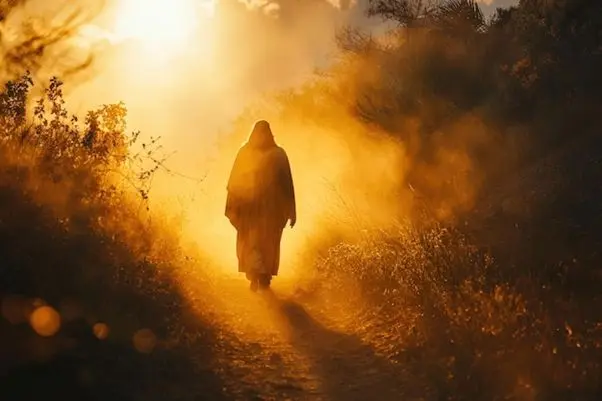


It’s not a rejection of people, but a reflection of deeper truths. Why the most thoughtful minds often feel isolated in a world that values what is quick and easy over what is true and meaningful.
By Mir Rather Nasir
Today, I wish to share a few reflections on why intelligent people often feel lonely…burdened by heightened awareness and knowledge…and why it is essential for them to return to the flow of real life once more.
People endowed with intellectual depth see the world differently. They notice what others miss, think deeply, and understand more than most. This clarity is a rare gift, but it can also create a sense of distance. Still, when guided by purpose and compassion, such insight does not isolate…it connects, inspires, and helps bring positive change.
Throughout history, thoughtful minds have carried a quiet kind of loneliness. Those who sense hidden meanings or question what others accept easily often find it hard to fit in. People may feel uneasy around them, not from dislike, but because depth of thought can make others aware of their own doubts or insecurities.
The German philosopher Arthur Schopenhauer believed that intelligence acts like a mirror…it reflects truths others might prefer to ignore. That mirror, he said, can make people uncomfortable. He also noted that society reacts differently to men and women: for men, intellect often invites rivalry; for women, it poses the challenge of appearing capable yet agreeable. Many intelligent women, he observed, conceal their abilities to be accepted. When beauty and intellect meet, admiration can mix with envy, creating silent tension. By contrast, ordinary minds make social life easier because they avoid deeper questions. Simple talk and light entertainment bring comfort; deep thought invites silence…not from ignorance, but from reflection.
Yet solitude should not be seen as permanent. In Islam, intelligence is viewed as a trust…a gift to be used with humility, fairness, and compassion. The Holy Prophet Muhammad (peace be upon him) often sought solitude, but his retreat in the Cave of Hira was not to escape people. It was preparation for a greater purpose. His silence strengthened him to return and engage with the world as a guide and teacher for all humanity. Great thinkers like Al-Ghazali, Rumi, and Ibn Khaldun also turned inward for reflection but came back to serve others with greater wisdom.
This truth appears in other traditions as well. Buddha withdrew from the world to seek understanding, but after enlightenment he returned to share it. Einstein and Marie Curie valued solitude…not as loneliness, but as space to think. Einstein called solitude “painful in youth but delightful in maturity,” using it to refine ideas that later helped humanity. Curie spent long hours alone in her lab, yet her discoveries transformed the world. For all of them, solitude was not escape but preparation…a pause before contribution.
Even today, intelligence can disturb social comfort. The world often values what is quick, loud, and easy more than what is thoughtful. But those who balance awareness with humility can live deeply and remain connected. True intelligence does not make one proud or distant; it teaches patience, empathy, and purpose.
Yet many people still confuse withdrawal with wisdom, believing that stepping back from the world makes one profound. In reality, isolation often leads only to an echo chamber of the self. The mind may find clarity in moments of quiet, but true understanding turns outward. Solitude is not the goal of thought; it is its beginning…the ground where ideas take root before maturing into empathy, creativity, and service.
John Milton, the Puritan poet, captured this truth in Paradise Regained:
Who reads incessantly, and to his reading brings not
A spirit and judgment equal or superior…
(And what he brings what needs he elsewhere seek?)
Uncertain and unsettled still remains,
Deep versed in books, and shallow in himself.
The writer is a teacher at BHSS Kangan
nk*************@***il.com