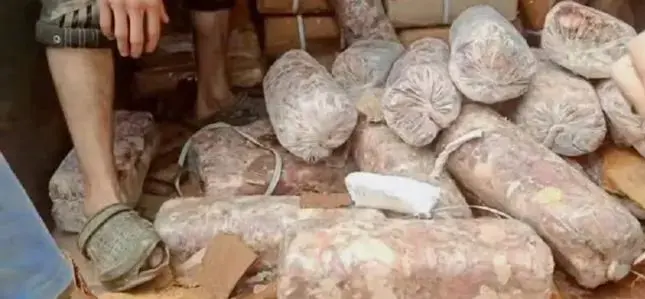


Over 13 tonnes of contaminated meat seized across Kashmir reveal deep-rooted regulatory lapses, threatening public health and eroding societal trust, prompting demands for comprehensive systemic overhaul
What we have learnt in a small span of time is that meat scandals are never just about food—they rupture societal trust. Vulnerability to diseases and rebuilding requires systemic vigilance, cultural accountability, and consumer empowerment.
A seizure of more than 13 tonnes of rotten meat and other contaminated food materials from multiple units in Srinagar has shaken the region. This rotten meat scandal in Kashmir has escalated from a single shocking seizure to a cascade of disturbing discoveries, shaking public trust in the region’s food safety ecosystem. Within a week, authorities have confiscated over two tonnes of spoiled meat and chicken from Srinagar, Pulwama, Ganderbal, and Bandipora. The problem is systemic—not the work of a lone offender—and demands a full-scale crackdown and structural reform.
Rotting, unlabelled meat has been found dumped on roadsides, seized from restaurants, and even recovered from the Jhelum River. Traders have exploited regulatory gaps, operating without licences, temperature control, or proper zoning permissions. The notorious Sunshine Foods unit, at the centre of the scandal, was discovered storing 1,200 kg of decaying meat in an industrial estate meant for textiles—a glaring example of oversight failure (GK).
Kashmir’s meat supply chain now stands exposed as fragile and compromised. The reported use of such meat in Wazwan, the valley’s most treasured culinary tradition, represents both a public health threat and a cultural betrayal. Selling kebabs for Rs 20 and ristas for Rs 180 per dozen, potentially made from inedible meat, reveals the grim economics driving this illicit trade. More than a case of food adulteration, this crisis highlights the collapse of food governance in the Kashmir Valley.
The betrayal in the rotten meat scandal by Kashmiri traders against their own community is rooted less in identity and more in a mix of economic desperation, greed, weak enforcement, and systemic decay.
So, a major food safety failure was uncovered when over 13 tonnes of spoiled, unhygienic meat were seized from illegal sources. This contaminated meat infiltrated local markets and traditional foods, posing health risks, violating religious norms, damaging the local economy, and undermining public trust. The crisis exposed deep regulatory and systemic flaws, prompting government crackdowns, stricter inspections, legal action, and calls for reforms to ensure food safety, protect public health, and restore social and economic confidence.
This rotten meat consumption has now become a public health threat. The rotten meat scandal in Kashmir is not just a local food safety lapse—it is a textbook example of how contaminated food can spark acute illness, chronic disease, and public distrust, as we have seen in other countries.
- Immediate Health Hazards.
Rotten meat is a breeding ground for pathogenic bacteria.
Salmonella and E. coli cause diarrhoea, vomiting, and fever within hours, potentially leading to kidney failure (E. coli O157 outbreak, USA, 1993—child deaths).
Clostridium botulinum produces toxins that can paralyse muscles, affecting breathing (botulism outbreaks linked to preserved meats in Eastern Europe).
Listeria monocytogenes can cause meningitis and septicaemia, especially in pregnant women and newborns (South Africa, 2017–18—218 deaths).
- Chemical Contamination.
In Kashmir, traders reportedly use formalin, hydrogen peroxide, and synthetic dyes to disguise spoilage.
Formalin— a toxic preservative banned in food—causes severe abdominal pain, organ damage, and cancer (linked to nasopharyngeal cancer in WHO studies).
Hydrogen peroxide— corrodes the stomach lining and damages DNA.
Textile dyes like Rhodamine B—banned in food; carcinogenic and neurotoxic (similar dye poisoning cases reported in Indonesia’s street food sector).
- Long-Term Risks.
Chronic exposure can lead to:
Hepatitis A/E—from faecal contamination; seen in meat-borne outbreaks in Central Asia.
Typhoid fever—persistent high fever and intestinal perforation.
Cancers—stomach, colorectal, and blood cancers linked to chemical adulterants (China’s “gutter oil” scandal, 2010, raised similar concerns).
Kidney and liver disease from toxin accumulation.
- High-Risk Groups.
Children—stunted growth, developmental delays.
Pregnant women—miscarriage, stillbirth, birth defects (Listeria outbreak in Canada, 2008—newborn deaths).
Elderly/immunocompromised—higher sepsis mortality rates.
- Global Precedents & Lessons.
UK, 1990s—BSE (“mad cow disease”) led to 178 human deaths and reshaped meat traceability laws.
China, 2008—Melamine in milk sickened 300,000 and killed 6 infants; a strict new food safety law followed.
Brazil, 2017—“Operation Weak Flesh” exposed rotten meat exports; dozens of countries banned Brazilian beef.
As Kashmir’s Grand Mufti said, “Trust died when rot entered our kitchens.” Rebuilding that trust will take systemic reforms, not just short-term raids—a lesson the world has learned from similar food safety failures.
Beyond the religious responsibilities in the Kashmir rotten meat scandal, there are several legal, ethical, and institutional duties that fall on different actors in society.
The administration’s responsibilities in preventing incidents like the rotten meat scandal include enforcing strict food safety inspections, ensuring all traders are licensed, maintaining modern testing laboratories for rapid detection of contamination, and monitoring supply chains through traceability systems and cold chain compliance. Authorities must also impose strong penalties, including licence cancellation and criminal prosecution, while running public awareness campaigns on safe meat handling and purchasing practices.
For the public, responsibilities include buying meat only from trusted and licensed sellers, checking freshness, labelling, and storage conditions before purchase, and reporting any suspicious or unsafe meat to the authorities without delay. Citizens should avoid spreading unverified rumours, share only confirmed safety alerts, and participate in community vigilance efforts to safeguard public health.
The scandal was not an isolated shock but the predictable outcome of a broken system—underfunded testing labs, opaque supply chains, and corruption that allowed offenders to operate with impunity. Preventing a repeat requires treating food safety as a national security priority, backed by technology-driven transparency, strict penalties, and active public vigilance.
As Kashmir’s Grand Mufti warned, “Trust died when rot entered our kitchens.” Restoring it will take more than raids; it calls for a complete structural overhaul of the food safety ecosystem.
The writer works in the Department of Education
Rayees Ul Islam
ra************@***il.com