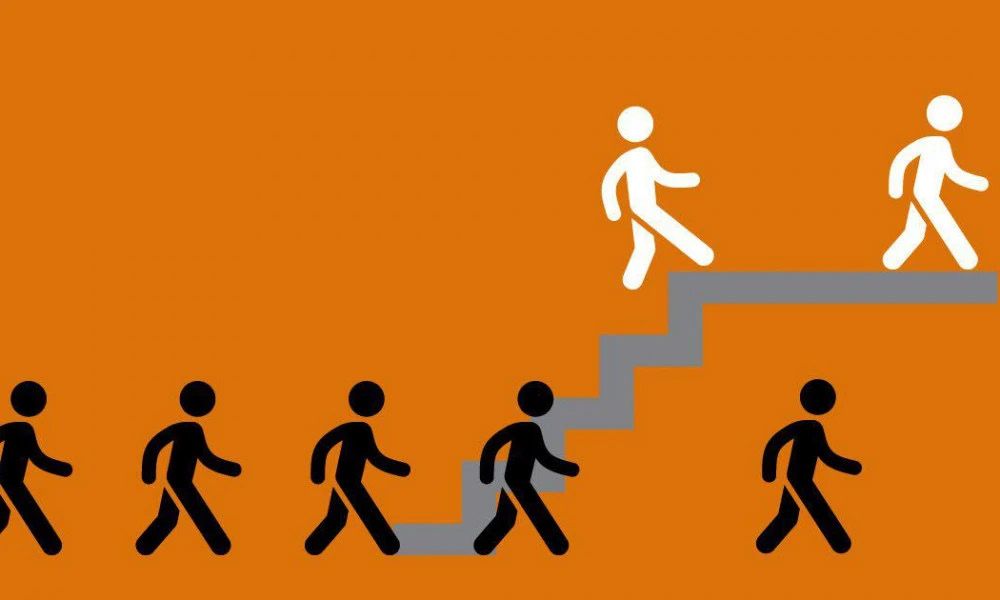


With 60% of posts reserved for categories and relaxed standards for reserved candidates, deserving OM candidates face marginalization, raising urgent questions about fairness, national progress, and the true purpose of social justice reforms
According to the latest notification, out of 75 advertised posts of Naib Tehsildar, an overwhelming 60% have been reserved for various categories (SC, ST-1, ST-2, RBA, ALC/IB, EWS, OBC…), leaving only 40% for OM candidates. This allocation is not just a numerical imbalance—it indicates a deep bias. Instead of ensuring equal opportunity, such a distribution marginalises deserving and hardworking candidates who do not fall under any reserved category. When the majority of opportunities are preallocated, it creates an uneven playing field that fails to honor merit and fairness.
What is even more disturbing is that these policies extend beyond just the quota system. Reserved category candidates often receive relaxations in age limits, minimum qualifying marks, and even changes to the exam pattern. This means that an OM candidate who meets stringent requirements through hard work and capability still competes against individuals who are granted significant advantages merely due to their category status. The end result is that a meritorious candidate is frequently pushed aside to make room for someone who may not meet the same standards but is still selected because of reservations.
This raises the question: how can a nation thrive when merit is systematically sidelined? In a rapidly evolving global landscape driven by knowledge, skill, and innovation, can we afford to overlook the very individuals who have the potential to lead us forward?
The foundation of any progressive society is built on recognising and promoting talent, regardless of caste, creed, or background. When policies become tools of appeasement rather than empowerment, the consequences are dire. It is important to acknowledge that the idea of reservations was introduced with noble intentions. However, over the years, what was intended to be a bridge has now become a barrier. The system has been stretched far beyond its original purpose, and it now risks punishing merit instead of promoting equality.
We must also understand the psychological and social impact these policies have on young minds. A student who studies tirelessly, sacrifices their social life, and gives their all to prepare for competitive exams starts to lose hope when they see their efforts go unrewarded due to biased policies. It gives birth to frustration, a sense of injustice, and even helplessness.
Over time, this discouragement can result in a decline in motivation and drive, not only affecting individuals but also depriving the nation of its brightest minds. Conversely, candidates who are selected despite not being fully qualified may enter the workforce with a false sense of achievement. This not only lowers the quality of public service but also introduces inefficiencies and incompetence. A system that prioritizes category over capability gradually erodes the integrity and effectiveness of public institutions.
Furthermore, these reservation policies often create social division. Instead of bridging gaps, they reinforce them. OM candidates begin to feel alienated and betrayed by a system that fails to recognize their struggles. This promotes resentment, not harmony. It’s a painful irony that in the name of inclusion, we are sowing seeds of exclusion.
If we genuinely want to uplift the underprivileged, the focus should shift from post-exam benefits to pre-exam preparation. We should improve primary education in rural and underserved areas. Investing in coaching, mentoring, and skill development programs can level the playing field before the competition begins, not after.
We must ask ourselves: Who is better equipped to bring real change—a student who qualifies through dedication, knowledge, and resilience, or one who benefits from a policy without meeting the same standards? Can a nation aspire for excellence when it systematically ignores excellence itself? How can fields like education, governance, judiciary, and science progress when OM candidates are sidelined? These are general questions that are still waiting for answers!
If we continue to suppress the deserving in the name of social justice, we are not only unjust to individuals but also sabotaging the future of our country. Reservation policies in their current form are breaking the backbone of meritocracy in India. They are no longer about uplifting the weak but about institutionalizing inequality. The time has come to rethink, reform, and reimagine these policies to ensure they truly serve the purpose of justice, growth, and national interest.
Amaar Mir
am********@***il.com