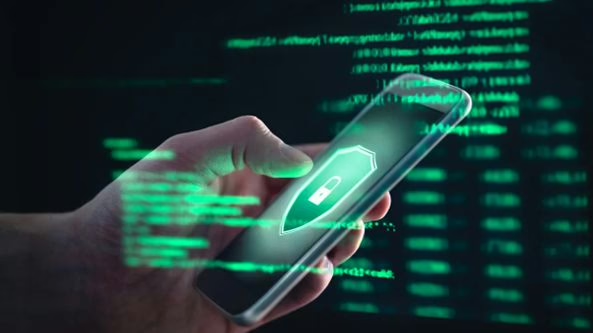


We built devices to make life easier…. but did we also build the perfect spy?
The era of smart devices has arrived, with over 14.3 billion connected devices in use globally in 2022, according to Statista, and that number is estimated to reach 30 billion by 2030. From voice assistants and smart TVs to wearable tech and connected refrigerators, these devices are transforming everyday life. But while they offer Convenience, they also open new doors to serious privacy concerns.
Always On, Always Listening
Smart speakers like the Amazon Echo and Google Nest are designed to listen for ‘wake words,’ but several reports suggest that they can accidentally record conversations.
- In 2019, Amazon confirmed that thousands of Alexa recordings were being watched by employees to improve voice recognition. Some of the recordings were captured without any command or warrant and included private moments.
- Similarly, Google and Apple were found to have human contractors reviewing recordings of Siri and Google Assistant, which sometimes contain sensitive information.
What Data Is Being Collected?
Smart devices can gather:- Location data, Voice recordings, Search and viewing history, Biometric data(such as fingerprints or heart rate), Home habits and routines (when you wake up, when you are home, etc.)
A 2021 study published in the proceedings of the Privacy Enhancing Technologies found that 72% of smart TV apps tracked user behaviour and sent data to third-party companies, often without explicit disclosure.
Fitness trackers and wearables have raised issues about the privacy of health data, particularly when it is shared with insurance companies or employers.
The Privacy Red Flags
Here is where things get worrying:
Always Listening: Devices with voice assistants (like Alexa or Google Home) are often ‘always on,’ passively listening for trigger words – but recordings sometimes start accidentally.
Data breaches: If a company storing smart device data is hacked, personal data may be leaked or stolen.
Lack of transparency: Users may not fully understand what’s being collected or who has access.
Third-party apps: Some smart devices connect to apps or services that may follow the same privacy rules, creating a backdoor into your data.
Are They Secure? Not Always
Cybersecurity experts have warned that smart devices can become gateways for hackers. In 2016, the Mirai botnet attack hijacked over 3,00,000 smart devices – including cameras and routers – triggering one of the biggest internet outages in history.
Even more alarming, a 2022 study from the University of Michigan found that many smart home apps do not use strong encryption, leaving them vulnerable to data leaks.
The Price Of Convenience
While smart technology can be incredibly useful, it often takes control. Once your data is out there, it’s hard to get it back – and harder to know who’s using it or how.
In 2024, a major leak involving a leading smart home brand exposed thousands of users’ audio logs–conversations and commands that users thought were private. ¬¬¬¬¬¬¬¬¬¬¬¬
How to Protect Your Privacy
- Check privacy settings on each device.
- Turn off microphones or cameras when not in use.
- Use strong passwords (enable two-factor authentication) and update software regularly.
- Read the fine print before granting permissions.
- Think twice before connecting everything to the internet.
- Consider open-source alternatives – some devices prioritise user privacy.
A Smart Future or a Surveillance one?
Smart devices offer undeniable benefits, but they also come with hidden costs. As we incorporate more and more technology into our homes and lives, it’s worth asking: Are we still in control of our data?
In the race for a smarter future, privacy must not become an afterthought. Because convenience should make life easier, not less secure. It’s not about rejecting technology – it’s about using it wisely and demanding better security.
Kaisar Mushtaq
ka*************@***il.com