

While no single reason can fully explain the lower number of applications, the changing economic realities faced by many families deserve thoughtful attention. Over the years, the overall cost of undertaking Hajj has increased. Air travel, accommodation, transportation, and other necessary expenses have become more expensive, making the pilgrimage financially demanding for many households. For families already managing rising living costs, healthcare expenses, education, or housing needs, arranging the required amount for Hajj can become a difficult decision.
Muhammad Yasir Malik
For many Muslims in Kashmir, the dream of performing Hajj does not begin with the submission of an application form. It begins much earlier—with silent prayers offered after every Salah, with a small portion of monthly earnings carefully set aside, and with elderly parents hoping that one day Allah will bless them with the opportunity to stand before the Holy Kaaba. In countless Kashmiri homes, Hajj is not simply a journey across borders; it is a lifelong aspiration woven into faith, patience, and sacrifice.
There was a time when the announcement of Hajj applications brought excitement to entire neighbourhoods. Families gathered to congratulate those who had been selected, relatives came to bid farewell, and every departing pilgrim carried not only personal prayers but also the hopes of an entire community. The journey symbolised devotion, gratitude, and the fulfilment of a dream nurtured over decades.
This year, however, that cherished dream appears to be facing a different reality.
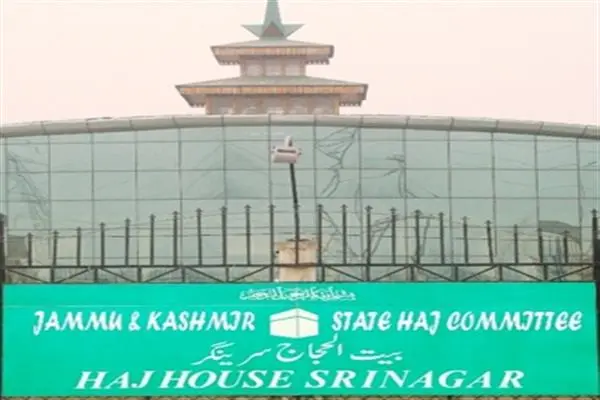
Against Jammu and Kashmir’s Hajj quota of nearly 8,000 seats, only around 2,300 applications had been received as the deadline approached. The figure is striking and naturally raises an important question: Why are thousands of seats still vacant in a region where Hajj has always been regarded as one of the most sacred aspirations of a Muslim’s life?
Statistics can capture attention, but they rarely capture emotion. Behind every application not submitted is a story that numbers cannot tell—a retired father who continues to postpone his dream, an elderly mother waiting for another chance, or a family forced to choose between a sacred journey and pressing financial responsibilities. These are not merely empty seats; they represent dreams placed on hold.
While no single reason can fully explain the lower number of applications, the changing economic realities faced by many families deserve thoughtful attention. Over the years, the overall cost of undertaking Hajj has increased. Air travel, accommodation, transportation, and other necessary expenses have become more expensive, making the pilgrimage financially demanding for many households. For families already managing rising living costs, healthcare expenses, education, or housing needs, arranging the required amount for Hajj can become a difficult decision.
Economic uncertainty has also influenced household priorities. Across Kashmir, many families continue to work hard to secure stable livelihoods while coping with inflation and other financial pressures. In such circumstances, even those who have cherished the dream of Hajj for years may decide to postpone it, hoping that a more suitable opportunity will come in the future. Delaying the pilgrimage, however, should never be mistaken for a decline in faith.
For elderly people, the emotional burden of waiting can be especially profound. Many spend decades saving patiently, believing that one day they will answer the sacred call of Hajj. Every passing year brings new concerns about health, age, and physical ability. For them, postponing the pilgrimage is not simply postponing travel—it is postponing one of the most heartfelt prayers of their lives.
It is equally important to recognise that Kashmir’s spiritual connection with Hajj remains as strong as ever. Mosques continue to be filled with worshippers, religious gatherings continue to inspire communities, and countless people still pray for the opportunity to perform the pilgrimage. The present situation should therefore be understood not as a weakening of faith but as a reminder that economic and practical realities can sometimes stand between a believer and a lifelong aspiration.
The current figures also offer an opportunity for reflection. They invite policymakers, community leaders, religious institutions, and society at large to better understand the challenges faced by aspiring pilgrims. Greater awareness about the application process, timely dissemination of information, and continued efforts to make the pilgrimage accessible may encourage more eligible people to come forward. Equally important is promoting long-term financial planning so that families who dream of Hajj can prepare for it gradually over the years.
Communities themselves can also play a meaningful role. Acts of guidance, encouragement, and lawful charitable support for deserving pilgrims can help preserve the spirit of collective responsibility that has long been part of Kashmiri society. When a community stands beside those who aspire to fulfil an important religious obligation, it strengthens not only individual lives but also the values of compassion and solidarity.
Ultimately, the story unfolding in Kashmir is far greater than the figure of 2,300 applications against an 8,000-seat quota. It is the story of ordinary people carrying extraordinary hopes—parents who still pray for the day they can fulfil one of Islam’s greatest obligations, elderly couples who continue to save despite limited means, and families whose faith remains unshaken even when circumstances force them to wait.
The empty seats should not be seen merely as vacant places on a flight to Makkah. They should remind us of dreams postponed, sacrifices made, and prayers that continue to rise from countless homes across the Valley. The challenge before society is not only to understand why these seats remain unfilled, but also to ensure that genuine aspirations are not defeated by avoidable barriers.
Faith has never diminished in Kashmir. If anything, it continues to shine quietly in the hearts of those who wait with patience and hope. A sacred dream may be delayed, but it should never become unreachable. For behind every application not submitted is a believer still praying for the day when the call of Hajj is answered—not by circumstance, but by opportunity.
ay************@***il.com