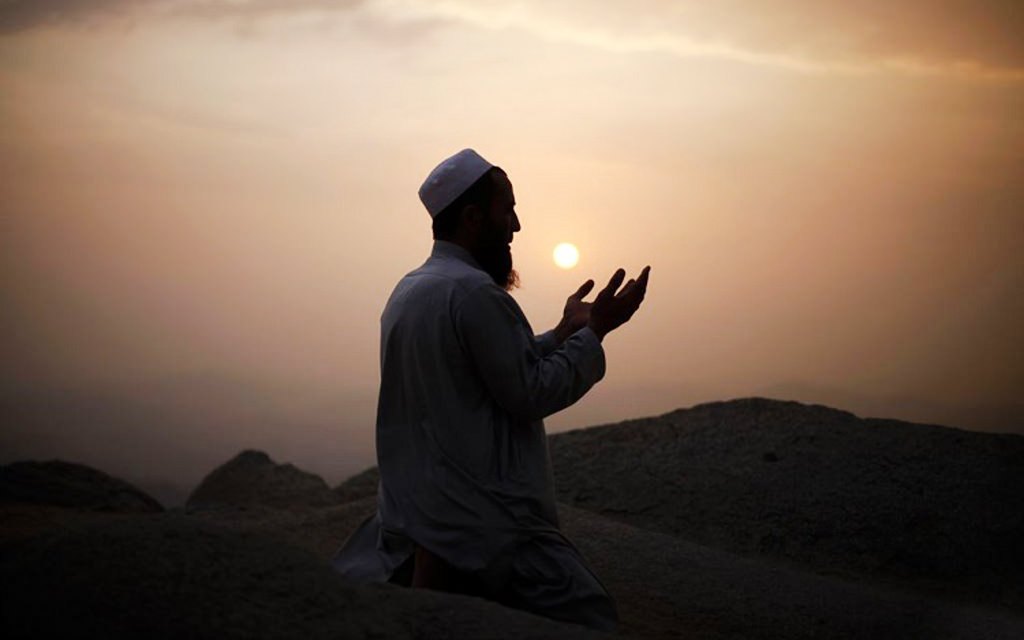


The blessed month of Ramadan has come to an end, and the joyous festivities of Eid-ul-Fitr have faded. As Muslims, we must express deep gratitude to Allah (SWT) for granting us the opportunity to witness yet another Ramadan. This sacred month is not just about abstaining from food and drink—it is a divine school of transformation, mercy, and spiritual elevation.
During Ramadan, Allah (SWT) showers His mercy and generosity in abundance. As believers, our hearts grow tender, our prayers more earnest, and our connection with Allah strengthens. We fast, pray more, give more, and strive to align our lives with His divine commandments. In this blessed month, we shed bad habits, cultivate patience, and embody the essence of taqwa (piety), making Ramadan a spiritual training ground unlike any other.
But what happens after Ramadan?
Sadly, for many of us, once Ramadan ends, the spiritual habits we’ve built begin to wither. Our carefully constructed routine of worship and self-discipline starts to slip away. Bishr al-Hafi, the famous ascetic, was once asked about people who become righteous only during Ramadan. He replied: “They are abominable people, for they only know Allah during the month of Ramadan.”
The Qur’an reminds us: “And worship your Lord until there comes to you the certainty (death).” (Surah Al-Hijr 15:99)
Hasan Al-Basri (RA) explained this verse by saying, “Allah has not set an end for the believer’s work other than death.” Righteousness, therefore, is not seasonal—it is a lifelong commitment.
The Real Test: After Ramadan
In Ramadan, we strive—days spent in fasting, nights in prayer, and every moment filled with devotion. But the true test of Ramadan’s impact lies in what follows. The ability to maintain spiritual momentum post-Ramadan is a sign that our fasting and worship were truly accepted. It’s a sign that we didn’t just observe Ramadan outwardly but internalized its values.
How Can We Retain This Spiritual High?
Consider the example of someone who works hard all day to earn money, only to throw it away rupee by rupee at night. That’s exactly what happens when we return to sin and negligence after Ramadan. To avoid spiritual downfall, we must hold on to two key practices—simple yet powerful habits that can keep us spiritually anchored all year round:
- Maintain Consistency in Salah (Prayer)
After Ramadan, many people gradually start neglecting Salah, especially Fajr (dawn) and Isha (night) prayers. Once we slack in Salah, procrastination creeps into every other aspect of our spiritual life.
Salah is the foundation of worship and the key to remaining connected to Allah. The Qur’an says:
“Surely, Salah restrains from shamelessness and evil.” (Surah Al-Ankabut 29:45)
Commit yourself to the five daily prayers, preferably in congregation. This singular act will keep your spiritual compass aligned and protect the values you nurtured during Ramadan.
- Maintain a Relationship with the Qur’an
Ramadan is the month of the Qur’an. We recite it, reflect on it, and often form a bond with it during this time. But the Qur’an is not exclusive to Ramadan. It is meant for all times.
Post-Ramadan, set aside even 10–15 minutes daily to read and reflect on the Qur’an. This daily connection will nourish your soul and serve as a spiritual anchor throughout the year.
Remember: When a person turns away from the Qur’an, the soul begins to starve—just like the body when it is not fed.
These two practices—regular Salah and a daily connection with the Qur’an—form a comprehensive and sustainable formula for retaining the spirituality acquired in Ramadan. They are not burdens—they are lifelines.
By holding on to them sincerely, we invite divine support that shields us from distractions, sins, and spiritual regression. Through them, we keep the Ramadan spirit alive—not just for one month, but for a lifetime.
May Allah (SWT) grant us the strength to remain steadfast, elevate our spiritual ranks, and allow Ramadan to be a turning point in our lives. Aameen.
The writer is a teacher
Masroof Manzoor
ma********@***il.com