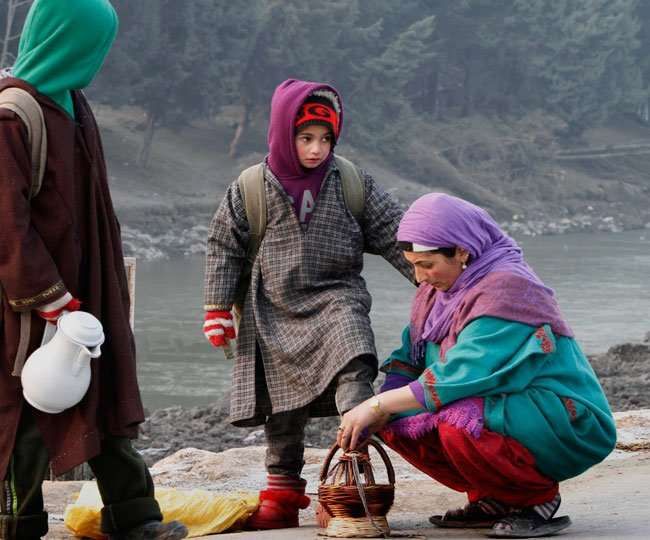


As the harsh winter months approach, the dual challenge of physical preparation and the psychological toll of Seasonal Affective Disorder necessitates a proactive approach to mental well-being and community engagement.
As winter approaches rapidly, we find ourselves preparing diligently for the cold months ahead. The arrival of winter in Jammu and Kashmir is prolonged and brings not only a drop in temperature but also a significant shift in daily routines. To ensure that we don’t face any hardships during this season, we remain focused on gathering and organizing all the essential supplies. From food storage, stocking up on non-perishable items such as grains, pulses, canned goods, and dry fruits ensures that we have enough to sustain us during the harsh winter months. We preserve seasonal vegetables and fruits by drying or pickling them, a practice deeply rooted in tradition.
In addition to food, we are busy unpacking heavy woolen clothes, sweaters, thermal wear, and jackets, ensuring they are clean and in good condition. We check the heating systems or stock up on firewood or coal, depending on our primary source of warmth. Electric heaters, gas heaters, and traditional methods like kangris used in Kashmir are also readied for the cold days ahead. By proactively preparing for winter, we aim to ensure that our families remain safe, warm, and comfortable, avoiding unnecessary struggles during the harshest season of the year. This hectic and demanding schedule that comes with preparing for winter creates a significant amount of stress, which disrupts our day-to-day tasks and mental well-being. This constant pressure leads to what is known as Seasonal Affective Disorder (SAD), commonly referred to as seasonal depression.
Seasonal Affective Disorder is a type of depression that occurs in people who typically have normal mental health and follows a pattern of seasons, beginning in fall and continuing through the months of winter. The over-busy nature of preparing for winter and the constant need to arrange food, clothing, heating, and other essentials diverts attention away from other daily responsibilities, creating a sense of imbalance in one’s routine. The worry about completing everything in time, coupled with the anticipation of the harsh winter ahead, leads to anxiety and mental fatigue. The combination of this physical preparation and the natural effects of shorter days leaves individuals feeling drained, irritable, or sad. These feelings are compounded by social isolation during the colder months, when people tend to spend more time indoors, leading to a reduction in social interaction, which is crucial for emotional health. Physical activity also declines during winter due to the cold, further contributing to feelings of lethargy, low mood, low energy, changes in sleep patterns, and a sense of hopelessness. Ultimately, while winter preparations are necessary, the impact on mental health cannot be overlooked.
From my perspective, Seasonal Affective Disorder (SAD) in Kashmir can be understood not just through the parameters of scientific research and observations but also through non-scientific factors. I conducted a passionate study, sampling 60 individuals from different economic backgrounds to analyze data on SAD. I found that, apart from scientific causes of SAD, such as reduced sunlight and low secretion of melatonin, I identified non-scientific factors contributing to its onset. These include heightened stress due to preoccupation with winter preparations, limited mobility caused by harsh weather, lack of work opportunities leading to inactivity, prolonged sleeping patterns during longer nights, smoking, and an idle daily routine. These factors collectively intensify feelings of isolation, boredom, and helplessness, playing a crucial role in the development of SAD. This is not the final word, as my sampling was conducted in rural areas only, and there may be other factors related to urban lifestyles and conditions.
Preoccupation with Winter
In Kashmir, the long and severe winters require intense preparation, which has to begin well in advance. People become preoccupied while gathering essential supplies like food, clothing, and fuel. This constant anticipation of winter can create a mental burden, leading to heightened stress and anxiety. The looming sense of urgency can cause people to overthink and worry about how they will cope during the difficult months ahead, resulting in a feeling of mental exhaustion even before winter arrives. This preoccupation with winter amplifies feelings of unease and stress.
Limited Space for Movement
Once winter sets in, heavy snowfall and freezing temperatures severely limit physical movement. Roads are often blocked, and outdoor activities become difficult, if not impossible. For people used to a more active lifestyle during other seasons, this sudden confinement to indoor spaces can feel suffocating. The inability to move freely not only affects physical health but also contributes to feelings of frustration, restlessness, and apprehension. The lack of regular physical activity, which is known to improve mood and reduce stress, leaves people more vulnerable to feelings of depression during the winter months.
Lack of Work Opportunities
In Kashmir, physical work, especially outdoor jobs like agriculture, non-agricultural work, construction, and transportation, has gradually declined. For those whose livelihoods depend on seasonal labor, the absence of work platforms or opportunities to remain engaged leads to financial stress and a sense of purposelessness. The idle months, with little to no productive work available, exacerbate feelings of isolation and helplessness, both of which increase psychological pressure. The lack of these activities in daily life contributes to a loss of routine, making it harder for individuals to stay mentally stimulated or motivated.
Long Nights
The prolonged nights during winter naturally cause disrupted sleep patterns. People find themselves sleeping more, sometimes as a way to cope with the cold and boredom. However, oversleeping leads to lethargy and a lack of energy during the day. This irregular sleep cycle disrupts the body’s natural rhythms, and when it becomes excessive or misaligned with one’s routine, it contributes to a deep sense of fatigue and sadness. This motivates people to turn to smoking as a way to cope with stress, anxiety, or feelings of depression.
Idle Life Pattern During the Day
The combination of limited movement, no regular work, and long nights results in an idle daily routine. Many people spend their days indoors with little to do, which leads to boredom and mental stagnation. The lack of meaningful activities or social engagement further isolates individuals, intensifying feelings of loneliness. An idle lifestyle also deprives people of the sense of achievement or purpose that comes from being active and productive, making it harder to stay positive. This cycle of inactivity can deepen the sense of hopelessness, one of the core symptoms of SAD.
When winter ends, the response from this sample of 60 people from different economic backgrounds, who had no other form of depression, clearly indicated that “they visibly feel a decrease in depression related to SAD.” With the arrival of spring, they experience a sense of renewal and optimism. Daily routines become less restricted as the harsh conditions of winter ease, allowing for more movement, social interaction, and outdoor activities. This shift helps break the isolation and monotony often felt during the winter months, leading to improved mental well-being.
What I have observed is that SAD is not only driven by scientific or biological factors but also by cultural, psychological, and environmental challenges unique to the region. To combat the negative effects of Seasonal Affective Disorder in Kashmir (SAD), it is important to explore ways and ideas to replace inactivity with productive and meaningful work. By creating work avenues and engagement opportunities such as remote work platforms, winter-specific industries, and community workshops, we can transform idle winter days into productive ones, helping to reduce the mental and emotional strain associated with inactivity and isolation during SAD.
The writer works in the Education Department
By Rayees ul Islam
ra************@***il.com