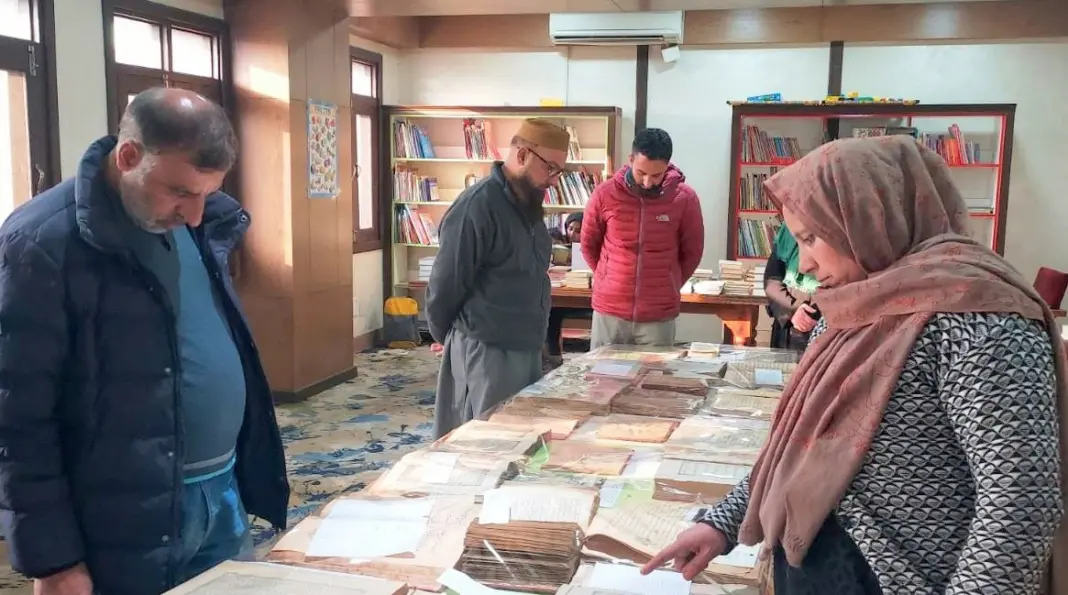


Exploring how libraries empower literacy, creativity, social skills and lifelong learning, while serving as crucial community resources in an ever-evolving digital landscape.
Libraries have long served as vital resources within communities, playing an essential role in the development of children. Beyond merely housing books, libraries function as dynamic environments that foster literacy, promote education, encourage social interaction, and stimulate creativity. In today’s fast-paced digital age, where distractions abound and access to information is often limited, the importance of libraries in shaping young minds has never been more crucial. This comprehensive exploration delves into the multifaceted contributions of libraries to childhood development, emphasizing their lasting impact on literacy, education, social skills, creativity, digital access, and lifelong learning.
At the core of childhood development is literacy, a foundational skill that shapes every aspect of a child’s future. Libraries are at the forefront of promoting literacy among young learners. They provide a wealth of resources, including a diverse collection of books, audiobooks, and digital materials tailored to various reading levels and interests. This accessibility enables children to explore different genres and subjects, fostering a love for reading that can last a lifetime. Programs such as storytime, summer reading challenges, and book clubs are designed to engage young readers, making reading a fun and enjoyable activity. Through these programs, libraries not only help children develop essential language skills but also instill a sense of curiosity and wonder about the world around them.
Research has consistently shown that early exposure to reading significantly impacts children’s literacy development. Children who are read to regularly develop stronger vocabulary, comprehension, and writing skills compared to their peers who lack such exposure. Libraries recognize this connection and offer resources for parents and caregivers to help them incorporate reading into their daily routines. By providing guides on how to read with children, recommending age-appropriate books, and organizing reading workshops, libraries empower families to nurture their children’s literacy skills from an early age. This collaborative approach strengthens the bond between libraries and families, emphasizing the critical role that both play in a child’s educational journey.
In addition to fostering literacy, libraries serve as essential support systems for children’s educational development. They provide resources that complement formal education, offering a vast array of materials on various subjects. From books on science and history to databases of academic articles, libraries are equipped to support students in their research and learning endeavors. This extensive resource availability allows children to delve deeper into topics that interest them, fostering a sense of ownership over their learning. The role of librarians in this context is invaluable; they are trained professionals who guide children in navigating these resources, helping them develop research skills and critical thinking abilities. Librarians often conduct workshops that teach students how to effectively search for information, evaluate sources, and synthesize data—skills that are increasingly essential in today’s information-rich society.
Furthermore, libraries contribute significantly to children’s social development by providing spaces for interaction and collaboration. They host various community programs and events that encourage children to engage with their peers, participate in group activities, and develop interpersonal skills. Activities such as book clubs, craft workshops, and educational games foster a sense of community and belonging among young library patrons. Through these interactions, children learn to express themselves, share ideas, and appreciate diverse perspectives. This social engagement is critical for emotional well-being and helps children build the confidence they need to navigate relationships throughout their lives.
Libraries are also instrumental in nurturing creativity, which is a vital aspect of childhood development. The imaginative nature of children can be harnessed and encouraged within the library environment. Many libraries offer creative programs that promote artistic expression, such as storytelling sessions, art workshops, and maker spaces equipped with tools for hands-on learning. These activities encourage children to think outside the box, explore their creative potential, and develop problem-solving skills. By providing opportunities for creative expression, libraries not only stimulate cognitive development but also allow children to discover their passions and interests.
In today’s technology-driven world, libraries play a critical role in bridging the digital divide. Access to technology and digital resources is increasingly essential for academic success, yet many children, particularly those from low-income families, lack access to these resources at home. Libraries address this disparity by offering free internet access, computer labs, and digital literacy training. These services ensure that all children can engage with technology, whether for completing homework, conducting research, or exploring educational apps. By providing equitable access to digital resources, libraries empower children to develop essential tech skills, preparing them for future academic and career opportunities.
Moreover, libraries are committed to promoting lifelong learning, a fundamental goal in the context of education. They instill a love for learning that extends far beyond childhood. Libraries offer resources that cater to a wide range of interests and age groups, encouraging children to explore new topics and pursue their passions. This approach fosters self-directed learning, allowing children to take charge of their educational journeys. The habits formed during childhood—such as seeking knowledge, asking questions, and exploring various subjects—can have lasting effects, shaping their attitudes toward learning well into adulthood.
In addition to individual learning, libraries often serve as supportive environments for families. Many libraries offer family-oriented programs, such as parenting workshops, literacy initiatives, and resources on child development. These initiatives not only provide valuable support for parents and caregivers but also reinforce the importance of reading and learning at home. By equipping families with the tools and knowledge they need, libraries help create a conducive learning environment that benefits children. The partnership between libraries and families underscores the idea that childhood development is a collaborative effort, involving parents, educators, and community resources.
As society continues to evolve, libraries are adapting to meet the changing needs of children and families. In recent years, many libraries have embraced new technologies and expanded their services to remain relevant in a digital age. This adaptability is evident in the introduction of digital lending services, coding workshops, and interactive educational programs that align with modern educational trends. Libraries are not just static repositories of books; they are dynamic community centres that evolve to address the needs of their patrons. By staying attuned to the interests and challenges facing children today, libraries ensure that they continue to serve as essential resources for childhood development.
The impact of libraries on childhood development extends beyond immediate educational benefits. By fostering a love for reading, promoting creativity, and providing access to digital resources, libraries contribute to the overall well-being of children. They offer safe and welcoming spaces where children can explore, learn, and grow, fostering a sense of belonging and community. This holistic approach to childhood development is essential for preparing children to navigate the complexities of the modern world.
In conclusion, libraries are indispensable in promoting childhood development. They foster literacy, support education, nurture social skills, encourage creativity, bridge the digital divide, and promote lifelong learning. By serving as community hubs, libraries provide children with the tools and resources they need to thrive. Investing in libraries is an investment in the future of children and society as a whole. In an age where the importance of education and personal development is increasingly recognized, the role of libraries in nurturing the next generation cannot be overstated. They are not merely buildings filled with books; they are gateways to knowledge, imagination, and endless possibilities, shaping the minds of children and preparing them for a brighter future.
As we move forward, it is essential to advocate for the continued support and funding of libraries, recognizing their invaluable contributions to childhood development. Communities must rally around these institutions, promoting awareness of their programs and services, and encouraging families to take advantage of the resources available to them. By doing so, we ensure that future generations of children have access to the rich educational experiences that libraries provide.
In the context of global challenges, such as increasing literacy rates and narrowing educational disparities, libraries stand as beacons of hope. They represent a commitment to equitable access to information and resources, allowing every child the opportunity to succeed regardless of their background. The emphasis on community engagement and collaboration further enhances the library’s role in childhood development, creating a network of support that benefits children and families alike.
Moreover, the importance of libraries in promoting mental health and well-being should not be overlooked. In an age where children face increasing pressures from academics and social media, libraries offer safe havens where they can escape, relax, and engage with materials that inspire them. The act of reading has been shown to reduce stress and promote empathy, allowing children to explore their feelings and the experiences of others. Libraries provide a space where children can reflect, grow, and find solace in the written word.
In summary, the role of libraries in childhood development is multifaceted and profound. They are essential institutions that foster literacy, support education, encourage creativity, and nurture social skills. By providing access to resources, creating safe spaces for interaction, and promoting lifelong learning, libraries contribute to the holistic development of children. As we continue to navigate the challenges of the modern world, it is imperative to recognize and support the vital role that libraries play in shaping the future of our children and society. Through continued investment and advocacy, we can ensure that libraries remain vibrant, accessible, and responsive to the needs of young learners, empowering them to reach their full potential and contribute positively to their communities
The writer is the Editor in Chief of the Assamese e-magazine Samprotik
By Himangshu Ranjan Bhuyan
hi************@***il.com