

With muscle, bone, and metabolism naturally declining, your body needs a new workout plan. Here’s the owner’s manual for preserving your strength, stability, and independence for decades to come.
By Dr Musawir Mohsin Parsa (PT)
Turning 40 once meant crossing into “middle age” — a stage often associated with slowing down. But today, it’s increasingly seen as the perfect time to ramp up your focus on fitness. With medical science linking regular physical activity to longer life, sharper minds, and stronger bones, staying active after 40 has become less of an option and more of a necessity.
The Midlife Wake-Up Call
From our 30s onward, muscle mass begins to decline by about 3–8% per decade, and metabolism gradually slows. Bone density starts dropping, too, particularly in women after menopause. Add sedentary jobs, stress, and erratic sleep, and it’s no surprise that chronic ailments — diabetes, hypertension, joint stiffness, and obesity — start showing up more often in the 40s and 50s.
But the good news is: it’s never too late to reverse the trend.
A large meta-analysis published in the British Journal of Sports Medicine found that people who became active in midlife enjoyed nearly the same reduction in mortality risk as those who had exercised consistently since youth. Another U.S. National Institutes of Health (NIH) study concluded that even adults starting regular exercise at 40 or 50 could add several healthy years to their lives. In other words, starting now still counts.
Exercise Matters More After 40
Experts say midlife exercise is about more than just staying in shape; it’s about preserving quality of life. Regular physical activity improves heart function, reduces stress hormones, enhances sleep, and helps maintain balance and flexibility — all key to remaining independent in later years.
Cardiologist Dr R. Mehra explains, “The 40s are when silent health risks start building up — cholesterol, blood sugar, and blood pressure. Exercise acts as a natural medicine that keeps these in check without side effects.”
Studies back him up. According to the Centers for Disease Control and Prevention (CDC), adults who meet the minimum activity guidelines — 150 minutes of moderate exercise weekly — have a 33% lower risk of early death compared to sedentary individuals.
Four Pillars Of Fitness After 40
- Cardio for the Heart and Lungs
Aerobic exercises like brisk walking, swimming, cycling, or even dancing boost stamina and cardiovascular health. The goal: at least 30 minutes a day, five days a week. Interval walking — alternating slow and fast paces — has showed to improve heart and lung function even in late starters.
- Strength Training for Muscle and Bone
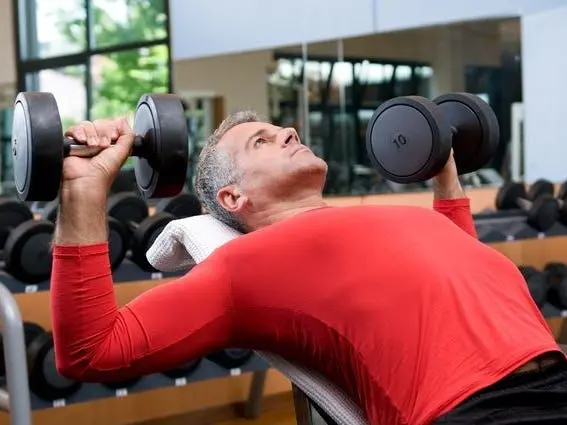
After 40, resistance training becomes crucial to counter age-related muscle loss (sarcopenia). Lifting weights or using resistance bands twice a week helps preserve lean muscle, increase metabolism, and strengthen bones.
A 2024 review in the Journal of Geriatric Physical Therapy noted that consistent resistance training could improve bone density and reduce fracture risk by up to 30% in adults over 45.
- Flexibility and Balance Work
Flexibility declines with age, increasing the risk of falls and injuries. Yoga, Pilates, or simple stretching routines enhance joint mobility, while balance exercises — such as standing on one leg or using a balance board — improve coordination and stability.
- Rest and Recovery
Recovery is the often-forgotten fourth pillar. The body takes longer to heal as we age, making adequate rest, hydration, and nutrition essential. Sleep — at least seven hours a night — allows muscles to repair and hormones to regulate, preventing burnout and fatigue.
Indian Perspective
In India, lifestyle diseases are rising sharply in the 40-plus population. A recent ICMR report showed that nearly one in three adults above 40 has hypertension, and one in ten lives with diabetes. Yet, gyms, parks, and community fitness classes are seeing a surge of middle-aged participants, signalling a cultural shift.
Simple lifestyle changes — climbing stairs, walking meetings, cycling short distances, or even household chores — count as physical activity. “Movement is medicine, and you don’t need a gym to get started.”
Getting Started Safely
Doctors advise beginners to take a slow, steady approach. Start with low-impact activities such as brisk walking or swimming, and gradually build endurance. Warm-up and cool-down sessions should never be skipped. Those with pre-existing conditions — like arthritis, diabetes, or heart disease — should consult a physician before starting any new program.
“Don’t let fear hold you back,” says physiotherapist Experts. “Most aches people feel in their 40s are signs of inactivity, not ageing.”
Exercise as a Mood and Memory Booster
Beyond the body, midlife exercise is also a tonic for the mind. Regular physical activity stimulates the release of endorphins and increases blood flow to the brain, helping prevent depression and cognitive decline. A 2023 Harvard study found that people who exercised regularly after 40 performed better on memory and problem-solving tests and had a 26% lower risk of dementia later in life.
Takeaway
At 40, exercise isn’t about chasing youth — it’s about building a future you can enjoy. Consistency, not intensity, is key. Whether it’s a morning walk, yoga session, or weekend hike, every movement adds up.
As one researcher put it, “If exercise were a pill, it would be the most prescribed medicine in the world.” The beauty is — it’s free, and the prescription is in your hands.
So tie up those laces, roll out that yoga mat, or dust off that old bicycle. Because after 40, every step, stretch, and squat is an investment — not just in years to your life, but in life to your years.
The writer is a physical therapist and educator
pa**********@***il.com