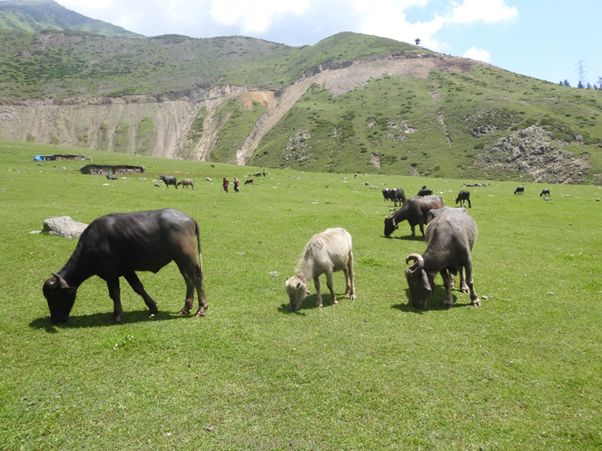


Observing animals and birds in their habitats can soothe the mind, strengthen the body, and promote overall well-being
By John Mohamad Mir
Amid the busy routines of modern life, many people search for ways to restore balance in their health, both physical and emotional. While medicines and medical treatments are essential for addressing disease, nature offers its own gentle therapy that is often overlooked. Wildlife watching, particularly birdwatching, has emerged as a powerful and accessible form of natural healing, capable of nurturing the eyes, calming the mind, and easing the burden on the heart. This simple act of observing animals in their natural habitats connects us to the environment and brings health benefits that science is now beginning to measure and understand.
To watch wildlife is to give your senses the environment they were designed for. Human eyes evolved not to stare at screens or indoor walls, but to follow movement across landscapes — the wildlife, animals, insects, and the beautiful birds.
But the greatest healing effect of wildlife watching lies in the peace it gives the mind. Modern life often keeps the brain in a constant state of alertness; screens, noise, deadlines, and emotional pressure demand continuous focus. In contrast, nature activates a state of soft fascination: birdsong, flowing water, rustling leaves, and the colours of wildlife gently draw attention without stress. This allows the mind to breathe. Anxiety softens, overthinking slows, and thoughts become clearer. In those silent moments of waiting for a bird to appear or watching a flock take to the sky, the heart and mind find relief from the chaos that normally follows us.
Stress is among the leading contributors to hypertension and cardiac problems. It increases heart rate, elevates blood pressure, and triggers harmful hormones that weaken cardiovascular health over time. Wildlife watching directly counters this stress response. When a person steps into a natural habitat — a riverside, a meadow, a wetland, or a forest — the nervous system shifts towards relaxation. Heartbeat slows, muscles release tension, breathing becomes deeper, and blood pressure gradually lowers. Even gentle walking involved in wildlife watching adds the benefit of physical movement, strengthening the heart and improving circulation without the strain of vigorous exercise.
In this way, wildlife watching becomes more than a hobby; it becomes a therapeutic ritual. Unlike medication that must be swallowed or appointments that must be scheduled, nature’s remedy is available almost anywhere, at any time, free of cost and side-effects. A walk along a wetland, a sit on a forest trail, or even a glimpse of birds from one’s own window can be a tiny but powerful act of self-care. The longer one practises it, the deeper the benefits grow — calmer thoughts, steadier heartbeat, healthier vision, and a peaceful spirit.
Of course, wildlife watching cannot replace medical treatment for serious conditions. But it can enrich life, reduce risk, and support healing in many ways. It reminds us that health is not only the absence of illness but the presence of harmony — between body, mind, and the living world around us.
As people find themselves drawn back to nature for health, conservation becomes not just a duty for wildlife, but also a responsibility to ourselves. Protecting the habitats of birds and animals is, in fact, protecting a natural medicine that heals humans too. The chirping of birds at dawn, the flight of migratory flocks, the sight of deer grazing at forest edges — these are not merely scenes of beauty; they are gifts of well-being, a sign that nature is ready to help if only we choose to step outside and watch.
Kashmir is well known for its biodiversity. We are blessed with nature, the national parks, sanctuaries, conservation reserves, forests, and wetlands. Let us spare some of our time in nature to heal our mental pressure.
The writer is a Wildlife Officer at the Wildlife Protection Department, J&K
jo*************@***il.com