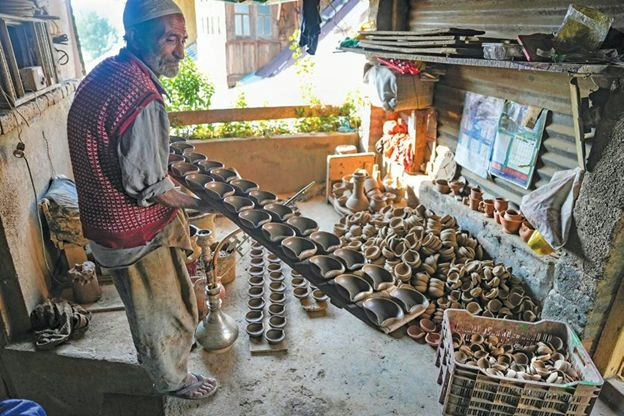


Kashmir’s pottery is the earth’s memory of us; let’s ensure future generations don’t inherit its absence
Once a vibrant symbol of Kashmir’s cultural and artistic heritage, the traditional craft of pottery is now teetering on the edge of extinction. Crafted by skilled hands and baked in the warmth of ancestral knowledge, pottery in Kashmir tells a story that predates modern civilisation. Today, this age-old craft faces an uncertain future, threatened by modernisation, negligence, and lack of institutional support.
A glimpse into the past
Pottery in Kashmir has deep historical roots. The use of earthenware dates back centuries, reflecting both utility and beauty. From clay tumblers (known locally as “kurros”) to intricately designed cooking pots and lamps, pottery was once part and parcel of everyday life in the Valley. Each piece was not merely a product but a symbol of local identity, community traditions, and ecological balance.
In old Kashmiri households, these clay items served practical purposes. Clay pots were believed to preserve the natural taste of food, and the porous nature of the earthenware allowed for natural cooling of drinking water. Pottery was also essential in religious and cultural rituals. During weddings, festivals like Navreh, and local ceremonies, clay items were customary.
The decline of the craft
Despite this rich legacy, pottery art in Kashmir is slowly vanishing. A combination of socio-economic changes and modernisation has contributed to this decline. With the advent of cheaper and more durable alternatives such as plastic, steel, and aluminium, the demand for clay products has plummeted. The younger generation, witnessing the dwindling returns and hardships of this craft, is moving away in search of better economic opportunities.
The traditional potter, once respected for his skill, now struggles to make ends meet. In areas like Ganderbal, Anantnag, and Budgam, which were once known for pottery-making, only a handful of families continue the tradition. Many have left their ancestral profession due to a lack of encouragement and market support. Pottery centres that once buzzed with creative energy now lie dormant.
Loss of knowledge and techniques
The tragedy of this decline is not just economic—it is also cultural. Pottery in Kashmir was more than just shaping clay; it involved centuries-old techniques passed down through oral traditions and hands-on apprenticeships. These techniques, many of which remain undocumented, are now at risk of disappearing forever.
From the selection of the right kind of clay from riverbanks to the process of shaping, sun-drying, and firing in locally made kilns, every step had a ritualistic rhythm. Some artisans even used natural dyes and local tools to create unique designs that bore the hallmark of Kashmiri aesthetics. The loss of this knowledge is equivalent to losing a chapter from the Valley’s history.
Why revival is essential
Reviving Kashmiri pottery is not just about saving a dying art; it’s about reclaiming a part of our cultural soul. In a world dominated by mass production, traditional pottery offers authenticity, sustainability, and a connection to the land. Clay is biodegradable, non-toxic, and environmentally friendly—a perfect fit in today’s climate-conscious world.
Moreover, the revival of pottery can play a role in rural employment and women’s empowerment. Many women in villages used to assist in pottery work, particularly in the decoration and sales of products. Training programs and cooperatives could help reintegrate these artisans into the economy, offering both dignity and livelihood.
Steps toward preservation and revival
Efforts toward preserving this craft must begin with robust government and NGO support. There is an urgent need for policy-level interventions, such as setting up pottery clusters, providing financial aid, raw material support, and marketing platforms to revitalise the craft. Artisan welfare schemes must explicitly include traditional potters. Additionally, skill training and documentation are vital. Institutions such as the Craft Development Institute in Srinagar can play a pivotal role by training young artisans and organising workshops, exhibitions, and documentation of traditional methods. Integrating local crafts into educational curricula is equally important. When children learn about pottery in schools and participate in field visits to pottery villages, they not only gain hands-on experience but also develop a deeper cultural awareness.
Promotion through tourism can act as another catalyst. Showcasing live pottery-making at tourist destinations or incorporating clay items in Kashmiri homestays and handicraft shops can enhance visibility and stimulate demand. Lastly, digital platforms offer promising prospects. E-commerce portals dedicated to handcrafted goods can expand market access for potters. Urban consumers, increasingly drawn to eco-friendly and handmade items, present a valuable opportunity if the products are marketed with authenticity and care.
A shared responsibility
Reviving pottery is not solely the government’s or artisans’ responsibility—it’s a collective one. Every time we choose a mass-produced plastic item over a handmade clay piece, we contribute to the decline. As consumers, educators, artists, and citizens, we must make conscious efforts to support and promote this heritage.
It’s time we recognise that every clay pot has a story, a history, and a soul. It is not just moulded mud—it is the handprint of our ancestors, a silent bearer of tradition.
Conclusion
Kashmir has always been known for its breathtaking beauty, spiritual depth, and rich art traditions. Pottery, though often overlooked, is an integral part of this legacy. Let us not allow it to disappear into silence. With collective will, thoughtful policy, and cultural pride, we can ensure that this art, crafted by our ancestors, is not forgotten by us.
The writer is a Library Professional, posted at Government SAM Degree College, Budgam
Aadil Jahangir
aa**********@***il.com