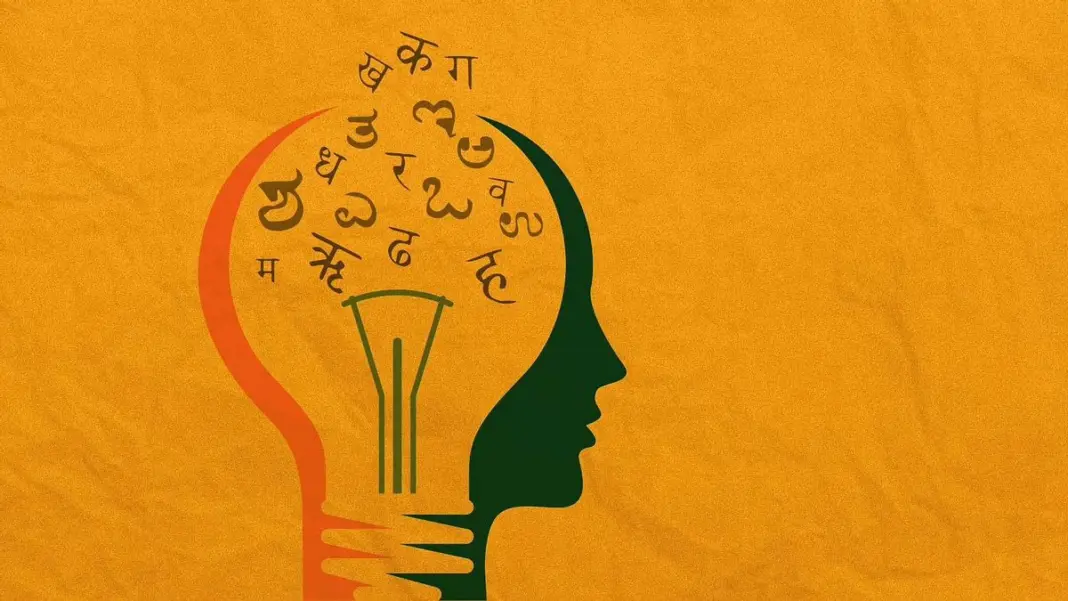


As NEP 2020 reimagines learning, Kashmir’s classrooms reveal the struggle to preserve the teacher’s role in an era of social media scrutiny and shifting values
In a society rooted in centuries of reverence for educators, the teacher has long stood as a pillar of wisdom and guidance. From the Gurukul tradition to modern classrooms, the teacher-student bond in India has symbolized mutual respect, discipline, and the pursuit of knowledge. However, as the dynamics of education shift in the 21st century, particularly under the ambitious frameworks of the National Education Policy (NEP) 2020 and the National Curriculum Framework (NCF) 2022, this age-old relationship is undergoing unprecedented transformation. The situation in Kashmir provides a reflective case study on how these national developments intersect with regional realities, especially in the age of digital media.
Evolving Respect in the Digital Age
The concept of respect for teachers is not just about polite gestures or obedience; it’s about acknowledging the role of educators in shaping not only academic futures but also moral and social values. Yet, in today’s environment, that sense of deference seems increasingly challenged. Students, empowered by information access and digital platforms, often question authority more freely—a positive trait when grounded in curiosity, but troubling when laced with disregard or entitlement.
In Kashmir, where the education sector has often been disrupted by conflict, this shift feels even more complex. Teachers here serve not only as educators but as stabilizers in uncertain times. However, they now face growing scrutiny from students and communities influenced by online narratives that sometimes cast educators in a negative light, often without context or fairness.
NEP 2020 and NCF 2022: A New Paradigm
The NEP 2020 and NCF 2022 seek to recalibrate India’s educational goals—prioritizing holistic learning, flexibility, and values-based education. These frameworks emphasize critical thinking, experiential learning, and respect for teachers as mentors. They encourage a move away from rote learning to a more student-centred approach but also underscore the need for discipline, ethical behaviour, and teacher empowerment.
In theory, these policies offer a roadmap to restore the dignity and central role of teachers in education. However, their success hinges on societal support and cultural change—elements currently under strain in many parts of the country, including Kashmir.
The Role of Social Media in Shaping Perceptions
Perhaps the most dramatic change affecting the teacher-student relationship is the rise of social media. While it can be a tool for learning and connection, it has also become a breeding ground for misinformation, mockery, and unwarranted criticism of educators. Viral videos, taken out of context, can damage reputations overnight. In Kashmir, where emotions and narratives often run high, such content can deepen mistrust and erode the authority of teachers already working under difficult circumstances.
Moreover, students now consume vast amounts of online content, shaping their worldviews and behaviours in ways that sometimes clash with traditional classroom expectations. Teachers must constantly adapt, not just as instructors, but as counselors and role models navigating this digital flux.
Rebuilding the Culture of Respect
Respect for teachers must be consciously cultivated in today’s climate. This means not only recognizing their professional role but also understanding the societal pressures they face—especially in regions like Kashmir. Educational institutions, parents, and policymakers must work in tandem to create environments that reinforce respect and accountability on both sides.
It is also essential that social media users, particularly youth, be educated on digital literacy and the consequences of online behaviour. Teachers should be provided with training to handle these challenges and to engage with students in ways that balance authority with empathy.
Conclusion
As NEP 2020 and NCF 2022 aim to transform Indian education into a more inclusive, value-driven system, the need to restore and reinforce respect for teachers becomes more urgent than ever. In regions like Kashmir, where educators play an even greater societal role, this respect must be more than symbolic—it must translate into protection, empowerment, and recognition. Only then can the promise of these policies be fully realized and the classroom once again become a space of mutual respect, learning,
Peerzada Tariq
pe*************@***il.com