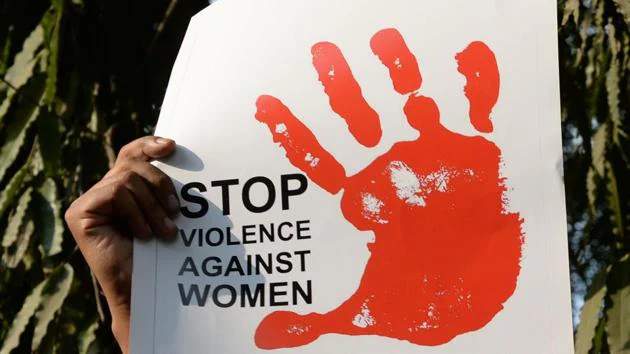


As alarming statistics reveal a pervasive culture of sexual assault, this article examines the systemic barriers to justice, societal attitudes and necessary reforms to protect survivors and uphold their rights
Sexual violence against women and girls is a serious issue in India. The Indian legal system already makes it difficult for survivors of sexual assault to get justice, and the situation is even worse for members of the most vulnerable groups in the nation. In India, sexual assault continues to be a significant social problem that impacts individuals of all ages, genders, and socioeconomic backgrounds. The nation nevertheless has a high rate of sexual crime, little enforcement, and cultural stigmas that deter survivors from seeking justice, despite strict laws and increased awareness.
This article examines the issues of sexual violence in India, including its causes, the legal system, societal attitudes, and possible remedies.
Statistical Overview
The National Crime Records Bureau (NCRB) reported 31,677 rape cases in 2021 or an average of 86 per day; of these, approximately 89% were committed by people known to the victims, with 10% involving juveniles. Despite a large number of recorded incidents, conviction rates remain disturbingly low; in 2019, just 27.8% of reported rape cases were convicted. Sexual violence is still a serious and extremely troubling issue in India, as evidenced by several examples demonstrating its pervasiveness.
Current events:
While stargazing in Karnataka in February 2025, a 27-year-old Israeli tourist and her Indian host were gang-raped. The attack claimed the life of their male acquaintance.
44 men were apprehended by authorities in January 2025 on suspicion of regularly raping a Dalit girl for five years, starting when she was thirteen. The victim claimed that around 60 persons had mistreated her.
Since marital rape is not illegal in India, many women are at risk of sexual abuse in their unions. These figures and incidents demonstrate how urgently India needs significant legal changes, enhanced protection for women and children, and a change in society to not tolerate sexual assault.
What motivates someone to commit acts of sexual violence?
A crime based on dominance and patriarchy, sexual assault involves masculine entitlement. In India, survivors and their families are often silenced because of societal blame. Sexual abuse is especially dangerous for those who are already marginalised in Indian culture. Because this culture of guilt follows survivors into the legal system, police enforcement, and hospitals, it further silences their voices.
What obstacles stand in the way of justice for Indian victims of sexual abuse?
Inadequate enforcement of rape laws and a number of barriers to justice, especially for survivors from caste, class, and ethnically marginalised areas.
Law enforcement corruption, police neglect of sexual assault cases, the two-finger test, obstacles to survivors’ access to compensation and protection for victims and witnesses, pressure from the community, families, and panchayat members to reach out-of-court settlements, and many other problems.
What does Indian law stipulate?
The fact that marital rape is not illegal is one of the most significant flaws in India’s rape laws. Women are treated as their husbands’ property under laws that expressly permit marital rape, making them more susceptible to abuse and sexual violence within the marriage.
Both oral sex (without penetration) and any sexual penetration are included in the broad legal definition of rape. Indian law deals with a variety of coercive circumstances. In a number of circumstances, such as rape by an authority figure, custodial rape, rape by a relative, guardian, teacher, someone in a position of trust, or someone in a position of power or dominance over a woman, Indian law presumes the victim’s lack of consent. The Act expressly states that the victim’s prior sexual experience is not relevant in cases of sexual violence. While demonstrating consent or the quality of such consent, Indian law expressly bars the defence from introducing evidence or asking cross-examination questions about the victim’s prior sexual history or general immoral character.
What is stated by international law?
Goal 5 of the UN Sustainable Development Agenda calls for gender equality and lists several objectives, such as:
* End all forms of discrimination against girls and women globally.
* Ending “all forms of violence against all women and girls, including sexual violence, in both public and private spheres”
* Putting into practice and strengthening “good policies and enforceable legislation for the promotion of gender equality and the empowerment of all women and girls at all levels.”
How is this being addressed by equality now?
Equality now makes sure that all of our work is grounded in factual information and evidence, and that the needs, experiences, and voices of women and children survivors of sexual violence inform our advocacy and communications as we seek to assist survivors in India in identifying the primary obstacles to obtaining justice.
# Respect the gender who gave you birth
# Don’t hide, speak out
Rape is not something that occurs by itself. Let’s ask ourselves how we, our society, we as people, create and sustain the mindset that leads to rape, how we make our men so violent, how we insult our women so regularly: Urvashi Butalia
The writer is pursuing law at Jammu University
Shahzad Ali
ea****************@***il.com