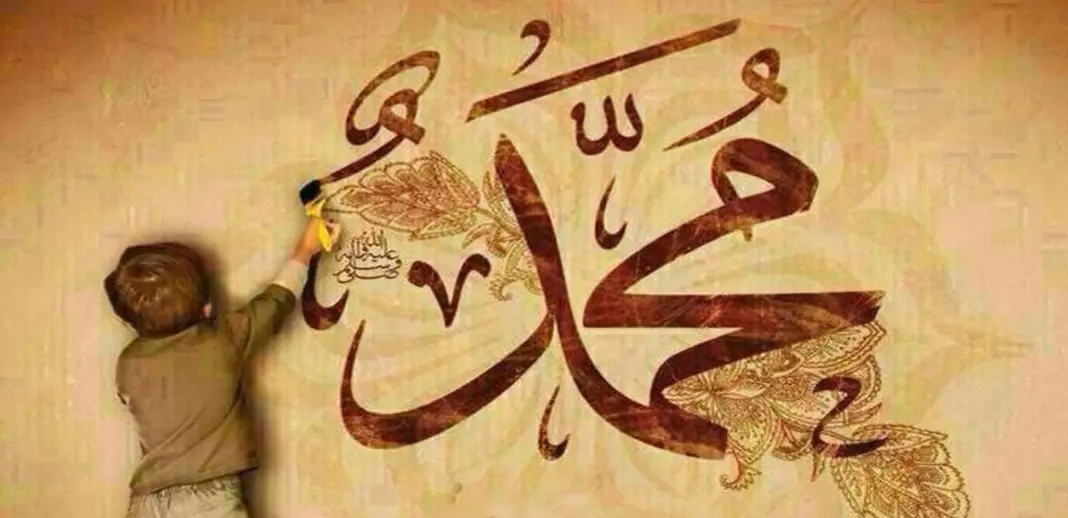


Through his actions and policies, the Prophet Muhammad (PBUH) sought to create a society that was built on the values of justice, equality, and social responsibility—principles that continue to hold immense relevance in today’s world
The life of Prophet Muhammad (Peace Be Upon Him) stands as an unparalleled source of wisdom, compassion, and guidance for all of humanity. His actions, teachings, and values transcend time and space, offering profound insights into how we should navigate our lives in a complex world. While his biography is often studied within religious contexts, its implications stretch far beyond the domain of faith, especially when examined through the lenses of psychology, sociology, politics, and even positive psychology. In particular, modern psychological theories like Positive Psychology’s PERMA model offer new ways of analysing how the Prophet’s life can guide personal well-being, social harmony, and ethical governance today.
This article explores the relevance of the biography of Prophet Muhammad (PBUH) through three critical lenses: psychological, sociological, and political perspectives. In doing so, it also integrates the framework of Positive Psychology, particularly the PERMA model, which includes five essential elements that contribute to human flourishing—Positive Emotion, Engagement, Relationships, Meaning, and Accomplishment. By examining how his life and teachings embody these principles, this analysis demonstrates the enduring power of the Prophet’s (PBUH) example in addressing contemporary challenges, ranging from personal well-being to societal divisions and political strife.
Psychological Perspectives: The Prophet’s (PBUH) Role in Personal Growth, Emotional Resilience, and Positive Psychology
Psychology, as a field, is constantly seeking answers to questions about mental health, personal growth, and emotional resilience. In this quest, the life of Prophet Muhammad (PBUH) offers an integrated and holistic model for emotional well-being, which aligns strikingly with modern psychological theories, especially those within Positive Psychology. The Prophet’s (PBUH) life can be examined through his teachings on self-awareness, resilience, emotional regulation, and interpersonal relationships, all of which are key aspects of psychological well-being today.
Self-Awareness and Mindfulness
One of the foundational psychological concepts highlighted in the life of the Prophet Muhammad (PBUH) is self-awareness. This idea is fundamental in Positive Psychology, where self-reflection and mindfulness are emphasized as tools for achieving well-being. The Prophet’s (PBUH) retreat to the Cave of Hira before his prophethood represents a profound act of introspection and self-awareness. In a society driven by external social norms and pressures, the Prophet’s (PBUH) practice of solitude allowed him to reconnect with his inner self, thus enhancing his clarity of mind and spiritual direction (Al-Bukhari, Sahih al-Bukhari).
Today, self-awareness is seen as an essential aspect of emotional intelligence and mental health. It allows individuals to gain insight into their thoughts, emotions, and behaviours, thus promoting better decision-making and interpersonal relationships (Goleman, Emotional Intelligence). Mindfulness practices, which are widely recommended in modern therapeutic settings, resonate with the Prophet’s (PBUH) example, as they promote awareness of the present moment, emotional regulation, and the reduction of stress.
Resilience and Emotional Regulation
The Prophet Muhammad’s (PBUH) life exemplifies extraordinary emotional resilience. Despite the countless hardships he endured—such as the loss of loved ones, societal rejection, and physical harm—he remained steadfast in his faith and mission. His ability to maintain inner peace and emotional balance in the face of adversity reflects what psychologists today define as resilience. Resilience is the ability to bounce back from stress and trauma, and it is one of the core pillars of positive psychology (Seligman, Flourish).
In contemporary psychology, emotional regulation is seen as the ability to manage one’s emotions, particularly in challenging situations. The Prophet (PBUH) demonstrated this in countless instances. One notable example is his response to hostility in Mecca and his measured, non-violent response to those who persecuted him. When he encountered hostility from the people of Ta’if, who threw stones at him and rejected his message, the Prophet (PBUH) responded not with anger or bitterness, but with prayer for their guidance, saying, “O Allah, guide my people, for they do not know.” (Ibn Hisham, Sirat al-Nabi). This emotional self-regulation and capacity for forgiveness are qualities that modern psychology highly values for personal growth and conflict resolution.
Engagement and Flow
Positive Psychology emphasizes the concept of flow, which refers to the deep sense of immersion and engagement in an activity that leads to a fulfilling experience. The Prophet Muhammad’s (PBUH) devotion to prayer (Salah) and his continuous engagement with his community demonstrate a sense of flow that is central to a meaningful life. His interactions, whether in the form of teaching, leading prayers, or engaging with his companions, were not only acts of service but also moments of deep engagement, aligning with the psychological principles of immersion and purpose-driven action.
In contemporary psychological practice, finding flow is essential for mental health. It is closely related to the concept of “engagement,” a core element of the PERMA model in Positive Psychology, which involves being fully involved in activities that bring joy, satisfaction, and meaning. Prophet Muhammad’s (PBUH) life exemplifies the integration of work and worship, offering a balanced approach where every action, no matter how mundane, is an opportunity to experience meaning and personal growth.
Relationships and Compassion
The Prophet Muhammad’s (PBUH) relationships—both with his companions and with the broader community—highlight the importance of compassion, empathy, and mutual support. His life provides a model of positive relationships, which are a central pillar of Positive Psychology’s PERMA model. The Prophet’s interactions with others were grounded in kindness, respect, and understanding. He encouraged strong, supportive family units and emphasized the importance of looking out for the welfare of others. The bond he shared with his wives, especially Khadijah (RA), his first wife, who was a successful businesswoman, and his interactions with his companions such as Abu Bakr (RA) and Ali (RA), exemplify the principles of healthy, nurturing relationships.
Psychologically, relationships are considered one of the most important factors contributing to human well-being. Social support networks provide a buffer against stress and are essential for both physical and mental health. The Prophet Muhammad’s (PBUH) emphasis on community building, cooperation, and brotherhood underscores the importance of human connection and solidarity in achieving happiness and emotional well-being. His encouragement to “Love for others what you love for yourself” (Sahih Muslim) remains a powerful tool for cultivating empathy and reducing interpersonal conflicts, promoting a positive emotional climate.
Meaning and Purpose in Life
Meaning is a central component of the PERMA model in Positive Psychology, and Prophet Muhammad’s (PBUH) life provides a profound understanding of life’s deeper purpose. He lived his life with a clear sense of purpose: to convey God’s message, promote justice, and ensure the well-being of humanity. His life was not driven by personal gain or fleeting pleasure but by the long-term goal of spiritual and moral betterment. This clarity of purpose is one of the core elements that modern psychology considers essential for human flourishing (Seligman, Flourish).
The Prophet’s (PBUH) ability to transform personal and societal hardship into an opportunity for spiritual and moral growth provides a model for finding meaning in suffering and challenges. For example, his patience during the years of persecution in Mecca and his perseverance in the face of adversity reflect a profound understanding of suffering as a catalyst for personal growth and collective purpose. His life encourages individuals to find meaning in their own struggles and to use hardship as an opportunity for spiritual and psychological development.
Sociological Perspectives: A Model for Social Justice, Equality, and Community
The Prophet Muhammad’s (PBUH) life was a blueprint for establishing a just, equitable, and inclusive society. His teachings and leadership strategies offer vital insights for addressing contemporary sociological challenges, such as inequality, social injustice, and the breakdown of community structures. Through his actions and policies, the Prophet Muhammad (PBUH) sought to create a society that was built on the values of justice, equality, and social responsibility—principles that continue to hold immense relevance in today’s world.
Social Justice and Equality
Prophet Muhammad’s stance on social justice was revolutionary for his time, particularly in a society entrenched in tribalism, racism, and the oppression of marginalized groups. His declaration that “An Arab has no superiority over a non-Arab, and a non-Arab has no superiority over an Arab” (Sahih Muslim) challenged deeply held notions of racial and ethnic superiority. His advocacy for the rights of women, orphans, and slaves further advanced the cause of social justice, which is a foundational principle of modern sociological thought.
In a contemporary context, where racism, gender discrimination, and social exclusion continue to be prevalent in many parts of the world, the Prophet’s (PBUH) teachings provide a powerful antidote to these societal issues. His life was characterized by a commitment to ensuring that all people, regardless of their background, were treated with dignity and respect. For instance, the Prophet’s (PBUH) freeing of Bilal (RA), an African slave, who became one of his closest companions and the first muezzin of Islam, symbolizes the breaking of racial and social barriers (Al-Bukhari, Sahih al-Bukhari). His teachings promote the value of every human being, regardless of their social or economic status.
Community and Cooperation
The Prophet Muhammad’s (PBUH) efforts to build a cohesive, supportive community were central to his mission. He established a strong sense of brotherhood among his companions, which helped to forge a unified and resilient community. The Constitution of Madinah, which he drafted to govern the newly established Islamic state, is a remarkable example of how he integrated diverse ethnic and religious groups into a single, harmonious society. The principles of mutual respect, shared responsibility, and collective welfare laid down in this document are relevant today in fostering social harmony in multicultural societies (Ibn Ishaq, Sirat Rasul Allah).
In the modern context, where societies are increasingly divided along ethnic, religious, and political lines, the Prophet’s (PBUH) example of fostering cooperation and unity among diverse groups offers an invaluable model for promoting social cohesion. His leadership was inclusive, valuing the contributions of all members of society, regardless of their background or beliefs. His example of resolving conflicts through dialogue, compromise, and mutual respect continues to provide a blueprint for peaceful coexistence in today’s fractured world.
Political Perspectives: Ethical Leadership, Governance, and Justice
The political thought embodied in the life of Prophet Muhammad (PBUH) is a crucial source of inspiration for ethical leadership and governance today. His approach to statecraft, law, and justice provides an insightful framework for political leaders striving to serve their people with integrity and fairness.
Ethical Leadership
The Prophet Muhammad’s (PBUH) leadership was marked by humility, accountability, and service to others. He viewed himself as a servant of the people rather than as a ruler above them, a concept encapsulated in his saying: “The leader of a people is their servant.” (Sahih al-Bukhari). This servant-leader model contrasts sharply with contemporary authoritarian and self-serving political figures. The Prophet’s (PBUH) example provides a clear guide for modern leaders who wish to govern ethically and in the best interests of their people.
The Prophet’s (PBUH) leadership was also characterized by transparency, justice, and impartiality. He upheld the rule of law and ensured that justice was applied fairly, even if it involved his family members. His famous statement, “If my own daughter were to steal, I would cut off her hand” (Sahih al-Bukhari) demonstrates his unwavering commitment to the principle of justice for all, regardless of status or position. This commitment to justice is a central tenet of good governance in both Islamic and secular political thought.
Governance and Social Welfare
Prophet Muhammad’s (PBUH) state-building efforts were also focused on ensuring the welfare of his people. He established systems of wealth redistribution, such as zakat (charity), to address poverty and inequality, and he set up public endowments (waqf) for the provision of services to the community. These systems not only addressed immediate social needs but also contributed to the long-term stability and prosperity of the state.
In today’s context, where economic inequality and poverty continue to plague many societies, the Prophet’s (PBUH) governance model offers a powerful template for building inclusive and sustainable economies. His emphasis on economic justice and social welfare aligns with contemporary debates on universal health care, wealth redistribution, and the role of the state in ensuring the well-being of its citizens.
Conclusion
The biography of Prophet Muhammad (PBUH) offers timeless lessons in psychology, sociology, and politics. His life is a model of personal resilience, emotional regulation, social justice, and ethical governance, all of which are highly relevant to the contemporary world. By examining his life through the lens of Positive Psychology’s PERMA model, it becomes clear that the Prophet’s (PBUH) teachings and practices embody the key principles of well-being: positive emotion, engagement, relationships, meaning, and accomplishment.
In an age marked by psychological distress, social fragmentation, and political instability, the example of Prophet Muhammad (PBUH) offers a pathway to personal flourishing, social harmony, and ethical leadership. His life provides a comprehensive framework for navigating the complexities of the modern world, offering practical and spiritual guidance for individuals and societies alike. By reflecting on his teachings and applying them to contemporary challenges, humanity can find solutions to the pressing issues of our time and build a more just, compassionate, and thriving world.
Farooq Ahmad Bakloo
fa************@***il.com