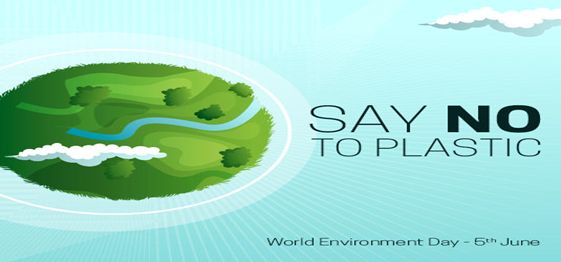


From table salt and sugar to milk, rice, fruits, and even chewing gum, microplastics have infiltrated India’s food supply. Bottled water, once considered a safe alternative, has also been found to contain these invisible particles. The convenience of plastic packaging is undeniable, but the environmental and health costs are becoming increasingly evident.
Shailika Sharma
There was a time when plastic was celebrated as one of the greatest inventions of modern life. It made food packaging lighter, medicines safer, transportation cheaper and household products more durable. Today, however, the same material has become one of the biggest environmental and public health challenges facing humanity. While most of us are familiar with the sight of plastic bags littering roadsides or bottles floating in rivers, a far more alarming threat remains invisible. Tiny fragments of plastic, known as microplastics, have quietly entered the water we drink, the food we eat and even the air we breathe. They are so small that they cannot be seen with the naked eye, yet they are now being detected in almost every corner of the planet, from the deepest oceans to mountain snow, and increasingly within the human body itself.
Microplastics are generally defined as plastic particles measuring less than five millimetres in diameter. Many are much smaller than a grain of sand, while some break down further into nanoplastics that are invisible even under ordinary microscopes. These particles originate from two main sources. Some are manufactured intentionally for industrial applications, while most are formed when larger plastic products gradually fragment under sunlight, heat, rainfall and mechanical wear. Plastic bottles, carry bags, disposable cups, food wrappers, synthetic clothing, vehicle tyres and discarded packaging slowly disintegrate into microscopic pieces that persist in the environment for decades because plastics do not biodegrade in the same way as natural materials.
India has witnessed an unprecedented increase in plastic consumption over the past three decades. From milk pouches and edible oil sachets to packets of spices, biscuits, snacks, flour, pulses, tea, coffee, detergents, shampoos and ready-to-eat foods, plastics have become an inseparable part of everyday life. Almost every household purchases products wrapped, sealed or stored in plastic. Milk is delivered in plastic pouches, cooking oil in multilayer plastic containers, ghee in plastic jars or laminated pouches, curd in plastic cups, drinking water in plastic bottles, and even fresh vegetables are often packed in thin plastic bags at supermarkets. The convenience is undeniable, but the environmental cost is becoming increasingly evident.
One of the most important routes through which humans are exposed to microplastics is drinking water. Scientific investigations conducted across different parts of the world have detected microplastics in rivers, lakes, groundwater, reservoirs, tap water and bottled drinking water. These particles enter water sources through multiple pathways. Plastic litter discarded in the open is carried into drains and rivers during rainfall. Synthetic fibres released while washing clothes escape many wastewater treatment systems and eventually reach natural water bodies. Industrial discharges, construction activities, tyre wear from vehicles, degraded packaging materials and atmospheric deposition further contribute to contamination. Over time, these particles accumulate in surface water and groundwater that ultimately supply drinking water to millions of people.
Ironically, bottled water is not always free from plastic contamination. Recent scientific studies have reported that bottled water may contain substantial quantities of microplastic particles originating from the bottles themselves, their caps and the packaging process. Exposure to sunlight and high temperatures during transportation or storage can increase the release of microscopic plastic fragments from bottles into the water. This finding challenges the common belief that bottled water is necessarily cleaner than treated municipal water. While bottled water remains essential during emergencies and in areas lacking safe drinking water infrastructure, it should not be viewed as a complete safeguard against microplastic exposure. Food represents another major source of human exposure. Initially, scientists focused mainly on seafood because fish, shellfish, mussels and oysters frequently ingest plastic particles floating in aquatic environments. Since shellfish are often consumed whole, including their digestive tracts, humans may ingest the microplastics accumulated within these organisms. However, research over the past decade has revealed that the problem extends far beyond seafood.
Microplastics have now been detected in common table salt, sugar, honey, milk, packaged drinking beverages, tea bags, rice, wheat flour, fruits, vegetables, spices and processed foods. Agricultural fields themselves are increasingly contaminated through plastic mulching sheets, sewage sludge, irrigation with polluted water and atmospheric fallout. Extremely small plastic particles may be absorbed by plant roots, while larger particles settle on leaves, fruits and vegetables. Consequently, microplastics are no longer confined to aquatic ecosystems but have become integrated into terrestrial food production systems as well.
The widespread use of plastic packaging in India deserves particular attention. Modern food distribution relies heavily on plastics because they are inexpensive, lightweight, moisture-resistant, and convenient. Fresh milk is sold almost entirely in plastic pouches. Ghee, edible oils and cooking fats are commonly marketed in plastic containers or laminated packets. Snacks, biscuits, pulses, spices, frozen foods, confectionery and instant meals are wrapped in multilayer plastic films that are often difficult to recycle. Repeated exposure of these packaging materials to sunlight, high temperatures or prolonged storage may contribute to the migration of microscopic plastic particles and chemical additives into food, especially when fatty or acidic foods are involved. Although packaging materials are regulated for food safety, scientists continue to investigate the extent to which long-term use contributes to overall human exposure to microplastics and associated chemicals.
Food storage practices within households also influence exposure. Hot food packed directly into thin plastic bags by roadside vendors, reheating food in unsuitable plastic containers, storing hot milk or curries in plastic vessels and repeatedly reusing old disposable containers may increase the release of tiny plastic fragments and chemical additives. While occasional use may not pose an immediate health risk, repeated daily exposure over many years has become a growing concern among researchers studying environmental health.
India’s dependence on plastic packaging has grown exponentially, from milk pouches to edible oil sachets and snack wrappers. These materials break down into microplastics that contaminate soil, water, and crops. The solution lies not in abandoning plastics entirely, but in using them wisely, responsibly, and only where truly necessary — before invisible pollution becomes an irreversible crisis.
One source of microplastic exposure that often surprises people is chewing gum. Most consumers assume that chewing gum is made primarily from natural plant resins. In reality, many commercially available chewing gums contain synthetic gum bases composed of petroleum-derived polymers similar to those used in plastics. During chewing, tiny fragments of these synthetic polymers can be released into saliva and may eventually be swallowed. Children are particularly vulnerable because they consume chewing gum more frequently and for longer durations, often without awareness of its composition. Adults, too, contribute to this exposure through regular consumption of chewing gum as a mouth freshener or stress reliever.
Beyond personal exposure, discarded chewing gum remains one of the most persistent forms of urban litter. It sticks to pavements, roads and public spaces, gradually breaking down into microscopic plastic particles that enter soil and drainage systems. Although research on the exact quantity of microplastics released during chewing is still evolving, scientists increasingly recommend limiting unnecessary chewing gum consumption, especially among children, and encouraging manufacturers to develop biodegradable alternatives made from natural plant gums instead of synthetic polymers.
Another important contributor to environmental microplastics is synthetic clothing. Fabrics such as polyester, nylon, acrylic and fleece dominate the modern textile industry because they are durable and inexpensive. However, every washing cycle releases thousands of microscopic plastic fibres into wastewater. Many treatment plants are unable to remove all these fibres, allowing them to enter rivers, lakes and coastal waters. Indoor dust generated from carpets, furniture, curtains and synthetic fabrics also contains microplastic fibres that may be inhaled or eventually settle on food. Perhaps the most concerning scientific discovery in recent years is that microplastics are no longer confined to the external environment. Researchers have detected them in human blood, lungs, liver, kidneys, placenta, breast milk, reproductive tissues and even arterial plaques. Their presence does not automatically prove that they cause disease, but it clearly demonstrates that these particles are capable of entering the human body, travelling through different organs and persisting for varying periods. Scientists are now investigating how these particles interact with cells, tissues and biological processes.
Current scientific evidence suggests several possible health concerns. Very small plastic particles may trigger inflammation after entering tissues. Plastics often contain additives such as plasticisers, stabilisers, flame retardants and pigments, some of which are known to interfere with hormonal regulation. In addition, microplastics can act like tiny sponges, attracting pesticides, heavy metals and persistent organic pollutants from the environment before carrying them into living organisms.
Laboratory studies have reported oxidative stress, immune disturbances, alterations in gut microbial communities, inflammation and cellular damage following exposure to microplastics. Animal experiments have indicated possible effects on reproduction, metabolism, liver function and neurological development. However, scientists also caution that many laboratory studies use exposure levels higher than those encountered under normal environmental conditions. More long-term human studies are required before firm conclusions can be drawn regarding specific diseases. Nevertheless, the growing body of evidence strongly supports reducing unnecessary exposure wherever possible.
Microplastics are not only a health issue but also an ecological challenge. Rivers transport plastic fragments into lakes and oceans, where they are consumed by plankton, insects, fish, turtles, seabirds and marine mammals. Once ingested, these particles move through the food chain from smaller organisms to larger predators, ultimately reaching human consumers. Plastic pollution also affects soil fertility, microbial diversity and agricultural productivity. Since plastics degrade extremely slowly, the amount of microplastics in the environment continues to increase each year unless plastic waste generation is significantly reduced.
India has taken important steps by banning several categories of single-use plastics and strengthening plastic waste management rules. Yet implementation remains uneven. Rapid urbanisation, growing consumerism, inadequate waste segregation, limited recycling infrastructure and widespread use of multilayer packaging continue to generate enormous quantities of plastic waste. Much of this waste escapes formal collection systems and eventually fragments into microplastics under natural environmental conditions.
Solving this problem therefore requires not only stronger government policies but also active participation from industries, retailers, educational institutions and individual citizens. Awareness is the first and perhaps the most powerful step towards prevention. Consumers should understand that every unnecessary plastic item avoided today reduces future microplastic pollution. Choosing reusable cloth bags instead of disposable plastic bags, carrying stainless steel or glass water bottles, preferring steel or glass containers for storing food, avoiding the use of thin plastic bags for hot food, reducing consumption of heavily packaged products and supporting refill systems wherever available are practical habits that can collectively make a significant difference. Purchasing fresh fruits, vegetables and locally prepared foods instead of excessively packaged processed foods not only reduces plastic waste but also promotes healthier dietary choices.
Proper waste management is equally essential. Plastics should never be discarded into drains, rivers, vacant plots or roadsides. Segregating household waste into biodegradable and recyclable categories allows valuable plastic materials to be recovered instead of entering the environment. Communities, schools and resident welfare associations can organise awareness campaigns, cleanliness drives and recycling initiatives that encourage responsible disposal practices. Educational institutions should introduce environmental literacy from an early age so that children grow up understanding the long-term consequences of plastic pollution. Industries also carry a profound responsibility. Food manufacturers should continue investing in safer and more sustainable packaging materials that minimise plastic use without compromising food safety.
Scientists are exploring biodegradable polymers derived from agricultural residues, starch, cellulose and other renewable resources. However, these alternatives must undergo rigorous testing to ensure that they are genuinely environmentally friendly and do not create new problems. Extended producer responsibility, under which manufacturers remain accountable for collecting and recycling their packaging waste, must be effectively implemented and strengthened.
Ultimately, the challenge of microplastics reminds us that convenience often carries hidden costs. The plastic bottle we use for a few minutes, the snack wrapper thrown carelessly onto the roadside or the disposable packaging accepted without a second thought does not simply disappear. It gradually fragments into countless microscopic particles that may circulate through rivers, farmland, food chains and eventually our own bodies. Unlike many pollutants that remain confined to specific places, microplastics travel silently across ecosystems, crossing boundaries between air, water, soil, plants, animals and humans.
The solution lies not in abandoning plastics altogether but in using them wisely, responsibly and only where truly necessary. Scientific innovation, stronger environmental policies, improved waste management and responsible consumer behaviour must work together if India is to reduce the growing burden of microplastic pollution. Every informed decision—whether refusing unnecessary plastic packaging, choosing reusable alternatives or disposing of waste responsibly—contributes to a cleaner environment and a healthier future.
The plastic we cannot see should not become the danger we choose to ignore. Invisible though they may be, microplastics are sending us a clear message about the consequences of our throwaway culture. By acting today with awareness, responsibility and collective determination, we can ensure that future generations inherit not a legacy of invisible pollution, but clean water, safe food and a healthier environment.
The writer is an Assistant Professor at the Department of Biosciences, Chandigarh University, Punjab, with a passion for promoting global health, ecological sustainability, and environmental awareness
sh*************@****il.in