

To boost immigration services &security
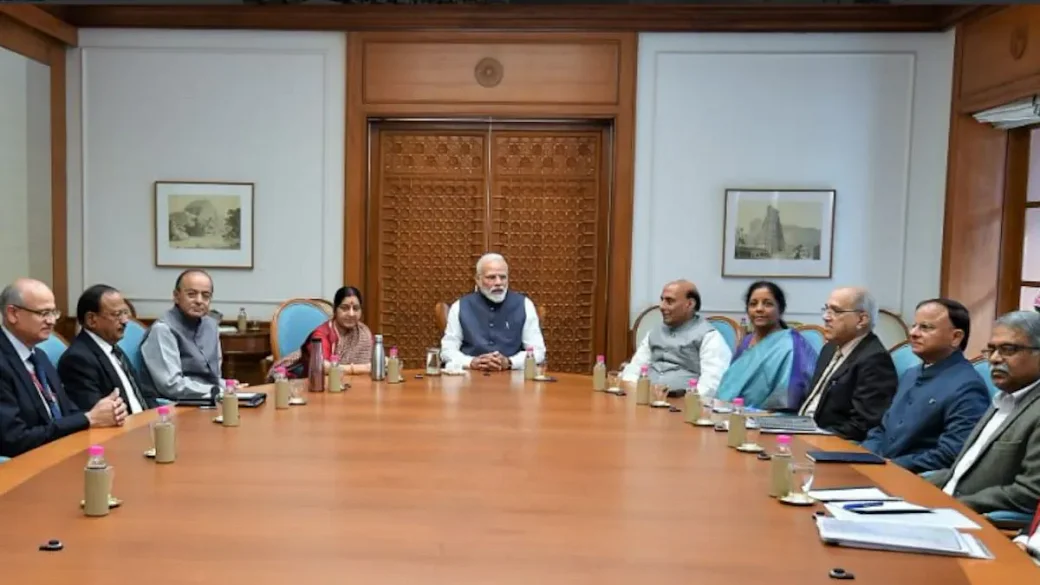
NEW DELHI: The Union Cabinet chaired by Prime Minister Narendra Modi on Wednesday approved the continuation of the Immigration, Visa, Foreigners Registration & Tracking (IVFRT) Scheme beyond 31 March, 2026 for a period of five year from 01 April, 2026 to 31 March, 2031 with a budget outlay of Rs 1800 crore to boost immigration services and security.
The IVFRT platform seeks to interlink and optimize functions related to immigration, visa issuance and registration of foreigners in India.
The main objective of the IVFRT is to modernize and upgrade immigration and visa services within a secure and integrated service delivery framework. The scheme aims to facilitate legitimate travellers while strengthening national security.
This project was approved by the Cabinet Committee on Economic Affairs during the Manmohan Singh-led UPA government on May 13, 2010 with a budget outlay of Rs.1011 crore and with project duration till September, 2014.
The budget outlay for the project was reduced to to Rs.638.90 crore in 2015 during the Narendra Modi government along with extension of the implementation timeline up to March 31, 2017, and further up to March 31, 2021 without any additional financial implications.
The expenditure of Rs.613.28 core was incurred against the total revised outlay of Rs.638.90 crore. The extension of the project for a further continuation for a period of five years from April 1, 2021 to March 31, 2026 was approved by the Cabinet on January 19, 2022 with a budget outlay of Rs.1365 crore.
What is the IVFRT scheme?
According to the Ministry of Home Affairs (MHA), the Immigration, Visa and Foreigners Registration & Tracking (IVFRT) project has been developed to a secure and integrated service delivery framework that facilitates legitimate travelers while strengthening security.
The scheme envisages facilitation services to the travelers including on-line application forms, 24X7 on-line channel, phone support for grievance redressal and e-mail/SMS support for dissemination of information, application status and feedback.
Key features of the IVFRT scheme
Authentication of traveler’s identity at the Missions, Immigration Check Posts (ICPs) and Foreigners Registration Offices (FROs) through use of intelligent document scanners and biometrics
Online registration of foreigners at the time of grant of visa and automated updation of the particulars of the foreigners at entry and exit points
Availability of a centralized system for sharing of information across the concerned Agencies about foreign travelers
Improved tracking of foreigners by integrating and sharing information captured during visa issuance at Missions, during immigration check at ICPs, and during registration at FRRO/ FROs
Software aided Passenger profiling for identifying risky travelers at Missions, ICPs and FRROs, and Generation of automated alerts about overstayal and failure to register with concerned FRRO/FRO
Convergence and integration with other initiatives such as e-passports, e-migration and crime and criminal tracking network for expeditious and informed decision-making
Agencies