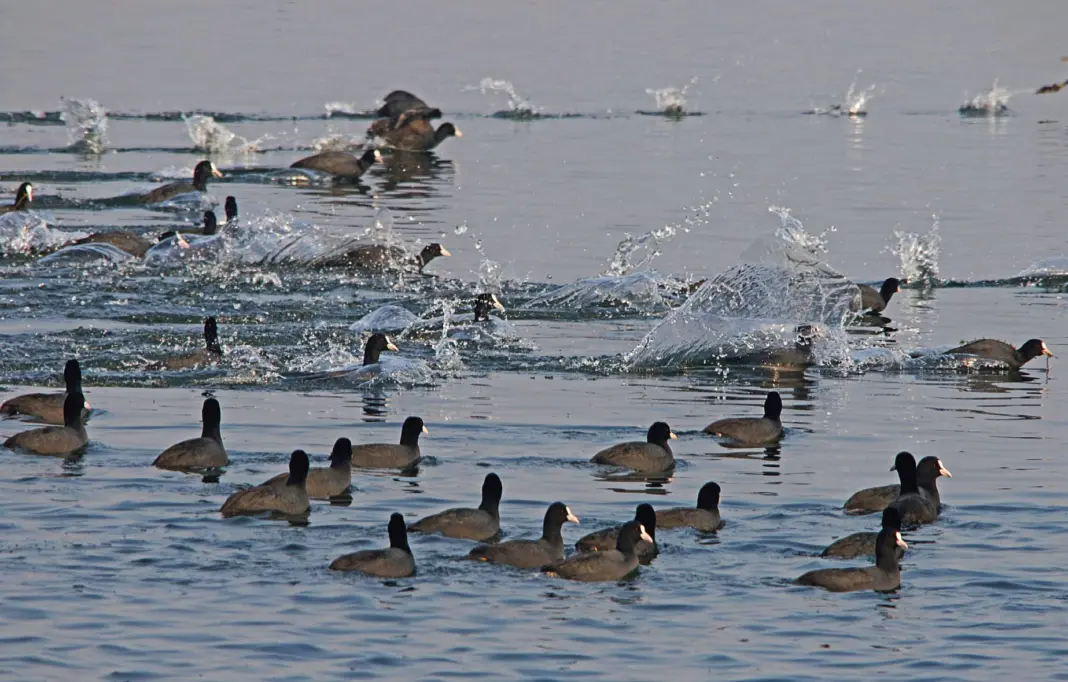


As thousands of migratory birds arrive from Siberia and beyond, the Wildlife Protection Department details the meticulous scientific and security measures ensuring the Valley remains a safe, thriving sanctuary
By John Mohamad Mir
As winter sweeps across the northern hemisphere, the wetlands of Kashmir once again welcome their most distinguished seasonal travellers: the migratory birds. Journeying thousands of kilometres from the frozen landscapes of Siberia, Central Asia, China, and other northern regions, these graceful birds find warmth, safety, and nourishment in the serene wetlands of the Valley.
Wetlands such as Hokersar, Chatlam, Shalabugh, Fashkoori, Manibugh, Kranchoo, Mirgund, and Hygam are now vibrant with the presence of pintails, mallards, teals, coots, gadwalls, greylag geese, pochards, shovellers, and several other species that trust Kashmir as their winter sanctuary.
This year, the Wetlands Division of the Wildlife Protection Department has ensured that these critical habitats are fully prepared to host their winged guests. Meticulous preparations for the winter season include:
Scientific Water Level Management: Water levels across major wetlands have been carefully regulated to create ideal ecological conditions for various bird species.
Ensuring Wetland Connectivity: The department maintains adequate connectivity through canals and traditional inlets, regularly clearing blockages to sustain fresh water inflow.
Protection of Natural Feeding Grounds: Grasslands and marshes are left undisturbed to preserve natural foraging areas. Controlled de-weeding is conducted to prevent water channels from choking, and zones with high food availability are kept free from human interference.
To safeguard the birds, the department has established round-the-clock anti-poaching camps and joint control rooms across the Valley. Trained field staff, watchers, and guards patrol the wetlands day and night to deter poachers and prevent illegal activity. These camps conduct surprise night patrols and enforce strict monitoring of vulnerable zones.
The Wetlands Division has also intensified its monitoring efforts through regular field inspections, rapid-response teams, and close coordination with local police and forest protection forces. This year, advanced field observation is enabling the early detection of disturbances, habitat threats, or illegal movements, ensuring all ecological needs of the birds are met.
These migratory birds are further protected under the Wildlife Protection Act, 1972, which strictly prohibits hunting, harming, or disturbing them. Any interference with their behaviour, habitat, or movement invites stringent legal action, underscoring the nation’s commitment to protecting its avian biodiversity.
Their arrival is more than a natural event; it is a reminder of the deep ecological bond between Kashmir and its wetlands. These birds are not merely visitors—they are honoured and protected guests whose presence enriches the Valley’s natural heritage. The local community also plays a vital role in protecting these winged visitors.
As we welcome them once again, let us acknowledge the tireless efforts of the Wildlife Protection Department’s Wetlands Division and renew our collective responsibility to preserve these precious ecosystems. With continued care and commitment, Kashmir will remain a safe and thriving winter home for generations of winged guests to come.
The writer is a Block Officer, Pampore Wetlands, Department of Wildlife Protection, J&K
jo*************@***il.com