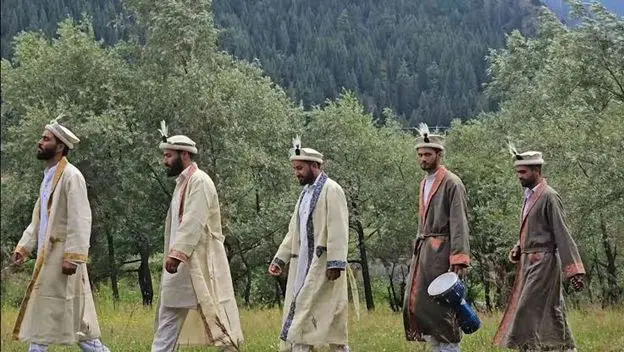


In Gurez, Tulail, Kargil, and Drass, the Shina language embodies identity, history, and culture. It is time to actively promote and preserve this vital legacy for future generations.
In the remote yet culturally rich regions of Gurez Valley, Tulail Valley and Kargil & Drass in Ladakh, the Shina language is not just a medium of communication—it is an identity, a legacy, and a connection to generations past. Language is more than words; it holds our stories, traditions, emotions, and history. In a time when many indigenous languages face extinction, it is our collective responsibility to safeguard them—not only for ourselves but for the generations yet to come.
Shina, spoken by thousands across these valleys, is at a critical juncture. While dominant languages like Urdu and English are being promoted through media, education, and government initiatives, Shina remains on the margins. However, the need to promote, preserve, and revitalise Shina is urgent and non-negotiable.
Language as Identity
Language is an integral part of human identity. It reflects our worldview, our values, and our ancestral roots. Losing a language means losing a part of ourselves. The communities of Gurez, Tulail, and Drass have every right—just like speakers of other languages—to protect and promote their linguistic heritage. Shina speakers deserve the same recognition, resources, and respect as any other linguistic group.
How We Can Preserve and Promote Shina
Use of Social Media: In today’s digital age, social media platforms offer powerful tools for language promotion. I, myself, use these platforms to express my identity proudly in Shina. Sharing content, poetry, videos, and daily communication in Shina helps normalise and popularise the language among the youth.
Radio Broadcasting: Hosting radio shows entirely in Shina allows listeners to connect deeply with their roots. It educates, entertains, and empowers communities to take pride in their linguistic identity.
Script Development: Thanks to the dedicated efforts of respected writers and linguists, including Masaud Samoon Sahib, the late Ramzan Khan Sahib, Mukhtar Zahid Badgami Sahib (Kargil), Amjad Raza Sahib (Kargil), Shafi Sagar Sahib (Drass), Jabar Chacket Sahib, Ajiz Fareed Sahib, Mushtaq Hijaz Sahib, Mohammad Niyaz Mapnoo Sahib, and Sheikh Bilal Sahib, a script for the Shina language has been developed. This has opened doors for writing, documentation, and formal education in Shina.
Literature and Documentation: Creating and distributing written materials—books, poems, and articles in Shina—ensures that the language is preserved in tangible form and passed down to future generations.
Community Engagement: Encouraging families to speak Shina at home, organising cultural events, and incorporating Shina in local schools and religious centres can help integrate the language into daily life.
Collaborations and Recognition: Governmental and non-governmental organisations must collaborate with local communities to include Shina in educational curricula, signage, public broadcasting, and heritage preservation initiatives.
The Road Ahead
Promoting Shina is not just a cultural endeavour—it is a fight for survival, dignity, and identity. It is heartening to see a new wave of awareness rising among the youth and elders alike. By honouring the contributions of our literary figures and embracing modern tools, we can ensure that Shina not only survives but thrives.
The preservation of a language is not the job of a few; it is a shared responsibility. Every speaker, listener, and supporter plays a role. In this rapidly globalising world, let us not forget the beauty of our roots. Let us preserve Shina—not as a relic of the past, but as a living, breathing identity of the present and the future.
Let the echo of Shina continue to resonate through our valleys, our airwaves, and our hearts. Let us pass on this treasure—safe, strong, and shining—to the generations to come.
Suhail Shaheen Lone
bi********@***il.com