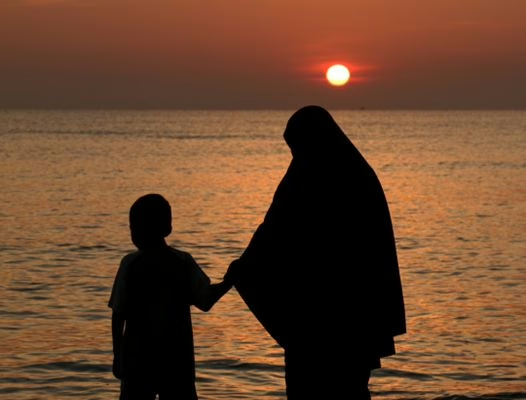


From Quranic commandments to Prophet Muhammad’s (PBUH) teachings—how Islamic tradition elevates maternal sacrifice into divine obligation
Mothers are often the epitome of selfless love. From the moment of birth and beyond, they dedicate themselves to the well-being of their children, often putting their own needs and desires aside. This unwavering devotion deserves our deepest respect and care in return.
Mothers are typically the primary nurturers, providing not only physical sustenance but also emotional support, guidance, and comfort. They are the first teachers to instil values, ethics, and life skills that shape us into who we become. This nurturing role is fundamental to our development and deserves immense honour.
Mothers are often the heart of the family, fostering bonds, maintaining traditions, and creating a sense of belonging. They play a crucial role in the stability and well-being of the entire family unit, which in turn contributes to a healthier society. Honouring mothers strengthens these vital foundations.
The physical and emotional toll of pregnancy, childbirth, and raising children is immense. Mothers undergo significant sacrifices to bring new life into the world and nurture it. This profound contribution to humanity warrants our utmost respect and care.
Throughout our lives, mothers often serve as our confidantes, offering a listening ear, a shoulder to cry on, and invaluable advice. Their emotional support and guidance help us navigate life’s challenges and deserve our heartfelt appreciation and care.
Mothers play a crucial role in shaping our moral compass and ethical understanding. Their teachings and examples influence our values and how we interact with the world. Respecting their guidance honours this fundamental role in our development.
In many cultures and religions, mothers hold a sacred and revered status. They are often seen as symbols of creation, fertility, and unconditional love, embodying divine qualities. Honouring mothers aligns with these deeply rooted cultural and spiritual values.
In Islam, mothers hold an exceptionally high and honoured status. This is evident in numerous verses of the Quran and sayings (Hadith) of the Prophet Muhammad (Peace Be Upon Him).
The Quran emphasises kindness and good treatment towards parents, with a particular emphasis on the mother due to the hardships she endures during pregnancy, childbirth, and raising the child. For instance, Surah Al-Ahqaf (46:15) states: “And We have enjoined upon man to be good to his parents. His mother carried him with hardship and gave birth to him with hardship…”
A famous Hadith narrated by Abu Huraira highlights the preeminence of the mother. A man asked the Prophet (Peace Be Upon Him), “Who is most deserving of my good company?” The Prophet replied, “Your mother.” The man asked again, “Then who?” The Prophet said, “Your mother.” The man asked a third time, “Then who?” The Prophet said, “Your mother.” And the fourth time, the Prophet (Peace Be Upon Him) said, “Your father.” (Sahih Bukhari and Muslim). This narration emphasises the mother’s status being three times greater than that of the father in terms of deserving good companionship.
Another powerful Hadith states, “Paradise lies at the feet of mothers.” (Sunan Ibn Majah). This signifies that showing utmost respect, love, and obedience to one’s mother is a path to attaining Paradise.
Islam recognises the mother’s crucial role as the primary caregiver and the first educator of her children. Her love, patience, and sacrifices shape the child’s character and development. The bond between a mother and her child is seen as a reflection of Allah’s mercy and love.
Based on Islamic teachings, children have several key obligations towards their mothers:
- Kindness and Respect: This encompasses treating mothers with utmost respect, honouring gentleness, and politeness in speech and action, even in disagreement. The Quran strictly forbids saying any word of contempt or raising one’s voice to them (Surah Al-Isra 17:23).
- Obedience: Children are expected to obey their mothers in all matters that do not contradict Islamic law.
- Care and Support: Providing for their physical, emotional, and financial needs, especially in their old age or times of difficulty, is a significant duty. This includes personal care, companionship, and ensuring their well-being.
- Supplication (Dua): Praying for their well-being, forgiveness, and mercy is a continuous obligation.
- Maintaining Ties: Respecting their relatives and friends is also a way of honouring them, even after their passing. Fulfilling their promises is also a part of this respect.
Respecting, honouring, and caring for mothers is not just a matter of obligation but a reflection of the profound impact they have on our lives, families, and society as a whole. It’s an acknowledgement of their sacrifices, their unwavering love, and their irreplaceable role in shaping who we are. Islam elevates the status of mothers to a position of immense respect and emphasises the profound importance of fulfilling their rights and showing them unwavering kindness and devotion. This isn’t limited to a specific day but is a continuous obligation throughout one’s life.
The writer is a teacher at Higher Secondary School, Nehalpora, Pattan
Kousar Ahmed Rather
ko************@***il.com