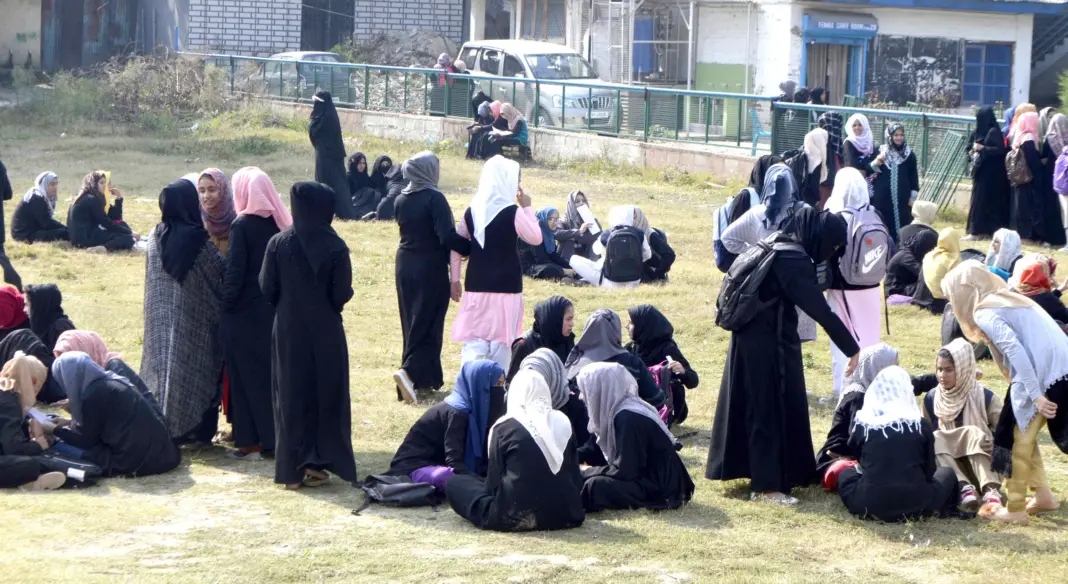


A structured approach to study, rest and recreation is essential for improving academic performance and mental well-being amid the unique challenges faced by students in Kashmir
The 8+8+8 Rule is a time-management approach that divides the 24-hour day into three equal segments: 8 hours of study, 8 hours of rest, and 8 hours of recreation. This balanced routine is designed to enhance productivity, improve mental well-being, and maintain a healthy lifestyle, especially for students.
Eight hours of study ensures focused learning, helping students grasp concepts effectively without feeling overwhelmed. 8 hours of rest, including proper sleep, is essential for memory retention, cognitive function, and overall health. 8 hours of recreation involves activities like exercise, hobbies, social interactions, and relaxation, reducing stress and enhancing creativity.
For Kashmiri students facing academic pressure and external challenges, this structured approach can help in maintaining a healthy work-life balance. By following this rule, students can achieve academic excellence while prioritizing their mental and physical well-being. Ultimately leading to a more productive and fulfilling life.
Kashmiri students face unique challenges, including academic pressure making a structured routine essential for their success and well-being. A balanced lifestyle ensures they can excel academically while maintaining mental and physical health. This rule helps students stay focused, refreshed, and stress-free. Without a proper routine, excessive study hours lead to burnout, while neglecting recreation and rest can cause anxiety, fatigue, and reduced productivity.
A structured approach fosters discipline, better time management, and overall personal growth. It helps students cope with stress, stay motivated, and enhance their learning efficiency. In Kashmir, where uncertainty often disrupts education, following this balanced schedule can provide students with stability, resilience, and a sense of control over their academic journey and future aspirations.
Dedicating 8 hours to focused learning is key to achieving academic excellence and improving providing. When students allocate a fixed study period, they can engage in deep learning, and better understanding of concepts rather than resorting to last-minute cramming. This structured approach helps in time management, ensuring they cover all subjects effectively.
A well-planned 8-hour study routine includes breaks, revisions, and interactive learning, preventing burnout and enhancing retention. Instead of aimlessly studying for long hours, focused study sessions improve concentration, problem-solving skills, and analytical thinking.
For Kashmiri students, who often face disruptions like unpredictable schedules, a structured study plan ensures consistent progress. By setting clear academic goals and following a disciplined study routine, they can maximize productivity, stay motivated, and achieve better results. When combined with adequate rest and recreation, this approach leads to a balanced and effective learning experience
Qualities sleep plays a crucial role in cognitive development, especially for students. Eight hours of rest allows the brain to process and store information effectively, improving memory retention, concentration, and problem-solving skills. During sleep, the brain strengthens neural connections, making it easier to recall learned material. Lack of sleep, on the other hand, leads to fatigue, reduced focus, and impaired decision-making, negatively affecting academic performance.
Beyond academics, mental health depends on proper rest. Sleep regulates stress hormones, enhances mood stability, and reduces anxiety and depression. For Kashmiri students, who often experience academic pressure and external challenges, quality sleep is essential for emotional resilience and overall well-being. A structured routine that includes adequate rest helps students wake up refreshed, energized, and ready to learn. Prioritizing sleep is not a luxury but a necessity for achieving both educational success and a healthy mind.
Recreation is essential for stress management and overall personality development, especially for students dealing with academic pressure. Engaging in extracurricular activities, sports, and social interactions helps refresh the mind, improve focus, and reduce anxiety. Physical activities like sports enhance fitness, discipline, and teamwork, while creative hobbies such as music, painting, or writing boost creativity and emotional expression. These activities provide a much-needed break from studies, preventing burnout and enhancing overall productivity.
Beyond relaxation, recreational activities shape personality by fostering confidence, leadership skills, and social adaptability. Social interactions help students build communication skills, emotional intelligence, and a sense of belonging, which are crucial for mental well-being. For Kashmiri students facing academic and external challenges, recreation acts as a stress reliever and a source of motivation. A well-balanced routine that includes both academics and recreation ensures holistic growth, resilience, and a positive outlook on life.
Kashmiri students face unique challenges that disrupt their education and daily routines. Poor internet connectivity hinders access to online learning resources, making it difficult to keep up with studies, attend virtual classes, or conduct research. The lack of proper educational infrastructure and resources further limits opportunities for academic growth. Many students struggle to maintain a structured study routine due to power cuts, poor connectivity, and uncertainty in their academic schedules. These disruptions create gaps in learning, forcing students to rely on outdated materials or wait for classes to resume.
Beyond academic hurdles, stress and anxiety are major concerns. The pressure to perform well despite these obstacles, coupled, with limited recreational outlets, affects students’ mental health and motivation. The lack of a balanced lifestyle due to external uncertainties makes it difficult to follow a structured 8+8+8+ routine. Addressing these challenges requires better educational policies, improved internet access, and mental health support to ensure a stable learning environment for Kashmiri students.
Implementing the 8+8+8 rule requires careful time management and discipline. Students should start by creating a daily schedule, allocating 8 hours for focused study with short breaks to maintain concentration. Using techniques like the Pomodoro method (25-minute study sessions with 5-minute breaks) can enhance productivity. Prioritizing difficult subjects early in the day and setting realistic academic goals ensures efficient learning. Keeping distractions, like excessive social; media use, in check also helps maintain focus.
For the remaining hours, students must prioritize 8 hours of sleep for better memory retention and mental well-being. The final 8 hours should include recreation, such as physical exercise, creative hobbies, or social interactions, to reduce stress. Practicing mindfulness, engaging in outdoor activities, and maintaining a healthy diet can further improve focus and energy levels. By maintaining this balance, Kashmiri students can enhance their academic performance while ensuring mental and physical well-being.
Conclusion
A holistic approach to education goes beyond academics, emphasizing mental well-being, physical health, and personal development. Schools and colleges should integrate the 8+8+8 rule into their academic structures by ensuring manageable workloads, promoting extracurricular activities, and encouraging a healthy study-life balance. Institutions must provide better infrastructure, psychological counselling, and internet accessibility to help students overcome challenges like stress and educational disruptions. A supportive learning environment enables students to thrive academically while maintaining overall well-being.
Parents also play a crucial role in fostering a balanced routine by encouraging students to prioritize rest, recreation, and self-care alongside studies. Policymakers should focus on educational reforms, mental health initiatives, and technological advancements to create a stable and inclusive academic atmosphere. By working together, institutions, parents, and policymakers can ensure that Kashmiri students receive a comprehensive education that prepares them for both professional success and fulfilling life.
The writer is pursuing an MEd at the University of Kashmir
Firdous Ahmad Malik
ar***********@***il.com