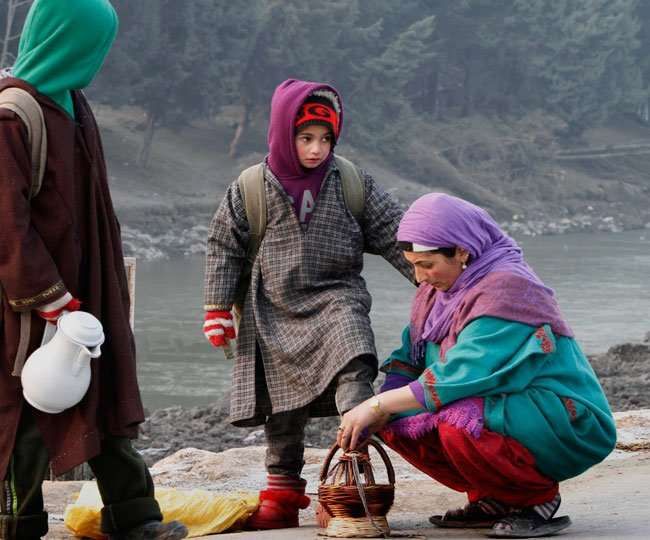


As temperatures plummet and air quality deteriorates, the region grapples with rising respiratory illnesses. Proactive health measures and policy reforms are crucial to safeguard vulnerable populations.
As winter grips Kashmir, the region braces for a dual challenge: a surge in cold-related illnesses and the worsening of air quality. The drop in temperatures not only exacerbates respiratory and eye health problems but also fuels pollution, creating a perfect storm for health crises in the valley. To safeguard public health during this challenging season, proactive measures, awareness, and policy interventions are crucial.
Winter Illnesses on the Rise:
The arrival of winter brings a notable rise in respiratory ailments, particularly among children, the elderly, and those with pre-existing health conditions. Cold weather aggravates conditions such as asthma, chronic obstructive pulmonary disease (COPD), and bronchitis, leading to an increase in hospital visits.
Hospitals across the valley, including Srinagar’s prominent Chest Diseases (CD) and SMHS hospitals, have reported a significant uptick in severe flu-related cases. Many patients require oxygen support due to respiratory complications. Medical experts are emphasizing the importance of vaccinations to reduce the severity of influenza strains, particularly H1N1, which poses a heightened risk in Kashmir’s harsh winters.
The Center for Disease Control and Prevention (CDC) highlights the importance of understanding flu patterns to prepare effectively. According to the CDC, while influenza can occur year-round, it follows a seasonal pattern, with cases peaking during winter months. In recent years, February has seen the highest flu activity, followed by December, January, and March. This predictable pattern underscores the need for timely vaccinations, ideally before mid-November, to ensure optimal protection as flu activity rises.
Vaccinations: A Crucial Line of Defenses:
Flu vaccinations are a proven tool in preventing severe respiratory illnesses. Health experts recommend flu shots for all high-risk groups, including children under five, people over 50, pregnant women, healthcare workers, and individuals with chronic conditions affecting the lungs, heart, liver, or kidneys.
In regions like Kashmir, where winters are severe and the population is particularly vulnerable to respiratory infections, vaccination campaigns play a vital role. It takes approximately two to three weeks for immunity to develop after receiving the flu vaccine, making early vaccination essential. Experts also recommend pneumonia vaccines for individuals with underlying health conditions to further reduce the risk of complications.
Preventive Measures to Combat Winter Illnesses:
•Beyond vaccinations, simple preventive habits can significantly reduce the risk of seasonal illnesses. These include:
•Limiting outdoor exposure during the coldest parts of the day, such as early mornings and late evenings.
•Practicing good hygiene, such as frequent handwashing, to prevent the spread of infections.
•Keeping warm indoors and avoiding sudden temperature changes.
•Maintaining a healthy diet and staying hydrated to support overall immunity.
•Pre-winter health check-ups can also be instrumental in managing chronic conditions effectively during the colder months. Individuals with ongoing health issues are advised to consult their doctors to adjust treatment plans as needed.
Airborne Diseases and Deteriorating Air Quality:
As the temperature drops, the valley is witnessing a surge in airborne diseases. Poor air quality, particularly during the morning hours, has become a pressing concern. Residents frequently report respiratory and eye-related health issues, which are aggravated by the combination of cold weather and pollution.
The Jammu and Kashmir Pollution Control Board has called for an end to the widespread practice of burning fallen leaves and crop stubble. This seasonal activity contributes to a toxic haze, further degrading air quality. “Burning of leaves and stubble during the harvest season adds to air pollution, creating a toxic haze that exacerbates the health risks,” an official stated.
Environmental Challenges in Kashmir:
The valley’s air quality has deteriorated steadily in recent years due to several factors, including rising vehicular emissions, ongoing construction projects, pollution from brick kilns and industrial facilities, and household biofuel use for heating during winter.
A senior doctor in Srinagar highlighted the compounded impact of these factors, stating, “The air quality is at its worst in winter due to the combined effect of vehicular emissions and domestic biofuel burning.” These environmental challenges are directly linked to the rise in respiratory illnesses.
According to reports, approximately 10,000 people in Jammu and Kashmir lose their lives annually due to air pollution-related diseases. This alarming statistic underscores the urgent need for comprehensive measures to address the region’s environmental health challenges.
The Role of Public Awareness:
Addressing these issues requires a multifaceted approach involving public awareness and government action. Residents must be educated about the health risks associated with pollution and cold weather. Simple changes, such as avoiding burning leaves and reducing biofuel use, can have a significant impact.
Simultaneously, policymakers must implement stricter regulations to control industrial emissions and vehicular pollution. Expanding access to cleaner heating alternatives, such as electric or solar-powered heating systems, can also help reduce reliance on biofuels.
The challenges posed by winter in Kashmir are significant, but they are not insurmountable. The region can mitigate the health risks associated with cold weather and poor air quality by combining preventive healthcare measures, public awareness, and policy reforms.
As the season progresses, it is crucial for individuals to take proactive steps, such as getting vaccinated, reducing exposure to polluted air, and practising good hygiene. At the same time, collective efforts to improve environmental conditions can pave the way for a healthier, more resilient community.
This winter, let preparation and collaboration be the key to overcoming the challenges of the season, and ensuring a safe and healthy future for the residents of Kashmir
The writer is a student of BSc Nursing (4th Semester) at the Ramzaan College of Nursing Galandar, Pulwama
By Shahid Shafi Rather
sh************@***il.com