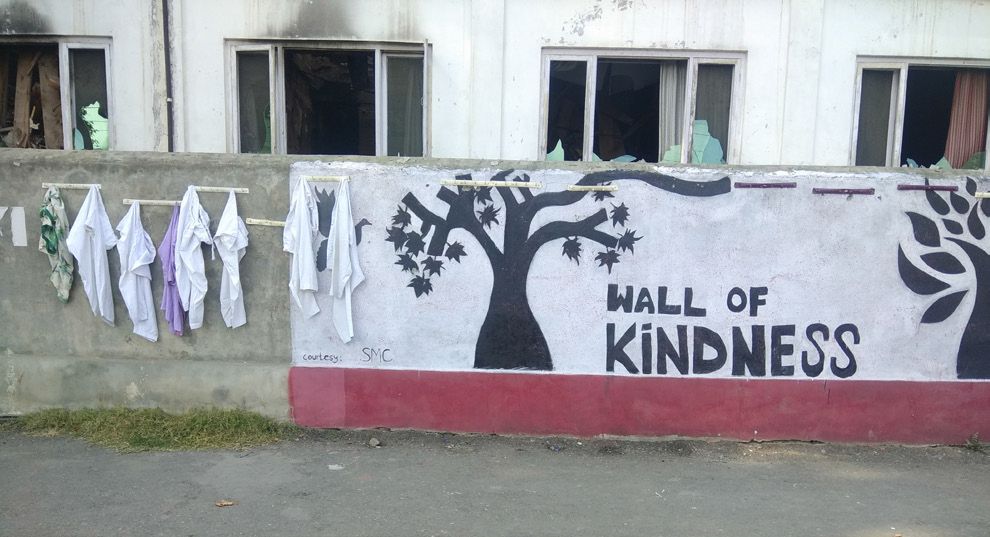


Kindness has been a guiding force in Kashmir’s journey. As the region faces ongoing challenges, compassion remains a vital thread that binds its people together, offering hope for a peaceful future.
World Kindness Day, observed on November 13, is a global celebration initiated in 1998 by the World Kindness Movement, a coalition of kindness-promoting organizations. This day invites us to reflect on the power of compassion and its profound impact on individuals and communities worldwide. In the context of Kashmir, a land often portrayed through the lens of conflict and division, the essence of kindness takes on an even deeper meaning. The people of Kashmir have endured tumultuous decades, marked by political strife, economic hardship, and natural disasters. Yet, amid these challenges, kindness has been an enduring force, flowing through the valleys and lives of its people, binding communities together, and holding the promise of healing for the future. By honouring kindness in Kashmir’s past, present, and future, we can begin to envision a path toward lasting peace and unity.
A legacy of kindness in Kashmir’s past
Historically, Kashmir is known for its rich culture, spirituality, and deep-seated ethos of kindness. Traditional Kashmiri society has always valued compassion, with generations upholding communal harmony and mutual respect. The Kashmiri saying, “Kashmiriyat”, encapsulates the spirit of unity in diversity, embracing all ethnic and religious backgrounds. This spirit of coexistence is woven into the cultural tapestry of the region, where Muslims, Hindus, Sikhs, and Buddhists have lived together for centuries, sharing in each other’s festivals, customs, and even languages.
A particularly touching story of kindness dates to the floods of 2014, when devastating waters engulfed vast areas of the Kashmir Valley, leaving thousands stranded. The natural disaster brought untold destruction, yet it also unveiled the resilience and compassion of the Kashmiri people. Amid the chaos, local volunteers and neighbours rushed to help one another, opening their homes to those in need and rescuing stranded families, regardless of religion or background. In that crisis, every Kashmiri became a source of strength and support for one another, showcasing the fundamental kindness that binds the community.
Another powerful testament to Kashmir’s legacy of compassion is the life of poet and saint Sheikh Noor-ud-din Noorani (RA), popularly known as Nund Rishi, who lived in the 14th century. He preached peace, tolerance, and the importance of kindness, not only in his teachings but also through his way of life, which emphasized compassion toward the downtrodden and respect for all living beings. His legacy continues to inspire Kashmiris across generations, reminding them that kindness is an integral part of their heritage.
Kindness in the present
Today, kindness in Kashmir faces new challenges but remains as vital as ever. In recent years, the socio-political landscape of Kashmir has been tumultuous, with ongoing conflicts affecting every aspect of daily life. Amid this backdrop, small acts of kindness have become essential threads in the social fabric, helping to sustain hope and resilience.
One example of kindness in the present is the work of local NGOs and individuals who dedicate their time and resources to assist those affected by the unrest. They provide medical care, educational support, and vocational training to families in need, often risking their own safety to deliver essentials to remote and vulnerable communities. One such NGO, Athrout, has been a beacon of hope for the people, providing health services, clean drinking water, and aid to those in need. Their work exemplifies how kindness can transform lives, offering not just material support but also a sense of dignity and respect to those who feel marginalized.
Furthermore, young Kashmiris are harnessing social media to spread messages of compassion and solidarity. Stories of individuals helping strangers, supporting local artisans, and creating initiatives to bridge divides have begun to reshape the narrative of Kashmir from one of conflict to one of hope. An inspiring example is the “Kashmir Relief Fund,” a grassroots initiative started by young people to provide financial assistance to families impacted by the economic hardships and lockdowns. Their efforts highlight the capacity of kindness to create change from the ground up, empowering the next generation to build a more compassionate society.
The power of kindness for Kashmir’s future
As we look toward the future, the role of kindness in Kashmir’s journey becomes even more crucial. The road to lasting peace is paved not only with political solutions but also with empathy, compassion, and understanding among the people. In envisioning a future for Kashmir, it is essential to nurture the seeds of kindness that have been sown across generations, allowing them to grow and shape a more harmonious society.
Education will be a key vehicle for embedding kindness in future generations. Schools and community centres can play a transformative role by teaching children the importance of compassion, empathy, and respect for diversity. Programs that emphasize kindness as a core value can equip young people with the skills to navigate and bridge differences, building a culture of peace from within.
Promoting mental health initiatives is another important avenue for fostering kindness. Many Kashmiris, especially the youth, experience trauma due to the prolonged conflicts and crises. Access to mental health resources can provide a foundation for healing, allowing individuals to channel their pain into positive actions. Support networks and counselling services led by compassionate individuals can help break the cycle of trauma and bitterness, allowing communities to move forward with empathy and resilience.
In the future, international partnerships and collaborations could also serve as powerful tools for promoting kindness and healing in Kashmir. By connecting Kashmiris with global initiatives focused on compassion, conflict resolution, and social support, a cross-cultural exchange of ideas and experiences could create lasting impacts. These partnerships can help Kashmir rebuild its economy, improve access to education and healthcare, and foster a collective identity that transcends divisions.
Stories of light in the dark
Amid political strife, there are stories of kindness that shine as beacons of hope. One such story is of a young Kashmiri doctor, who, during the peak of the COVID-19 pandemic, worked tirelessly to provide medical care to remote villages. Many of these areas had limited access to healthcare, but the doctor and his team made it their mission to deliver essential services and educate people about preventive measures, often facing extreme weather and challenging road conditions. His story is a testament to the selflessness that continues to thrive in Kashmir, where even the smallest act of kindness can make a profound difference.
Another heartwarming story involves a group of Kashmiri women who, during a harsh winter, organised a food drive to feed impoverished families. They gathered resources from their communities, cooking and distributing meals to those struggling to survive. Their actions highlight the solidarity and compassion that exists within Kashmiri society, where kindness transcends personal hardship and spreads warmth to others.
Choosing kindness as the way forward
As we celebrate World Kindness Day, Kashmir serves as a powerful reminder that kindness is not merely an ideal but a necessity. It has been the invisible thread that has held communities together through crises and sustained the spirit of hope. Despite the hardships, the people of Kashmir have shown that compassion, empathy, and kindness can overcome even the most entrenched divisions. In choosing kindness as a guiding principle, we allow the possibility for peace, unity, and resilience to flourish.
The future of Kashmir depends on its people’s continued commitment to kindness, both in small gestures and large, systemic changes. As we reflect on this World Kindness Day, may we all be inspired by Kashmir’s stories of compassion and dedicate ourselves to building a kinder world, one act of kindness at a time.
The writer is a research scholar – CSIR-NET, DST-INSPIRE fellow & Gold Medalist, School of Physical, Chemical & Applied Sciences (SPCAS) Pondicherry University (A Central University)
By Younus M Bhat
yu***********@***il.com