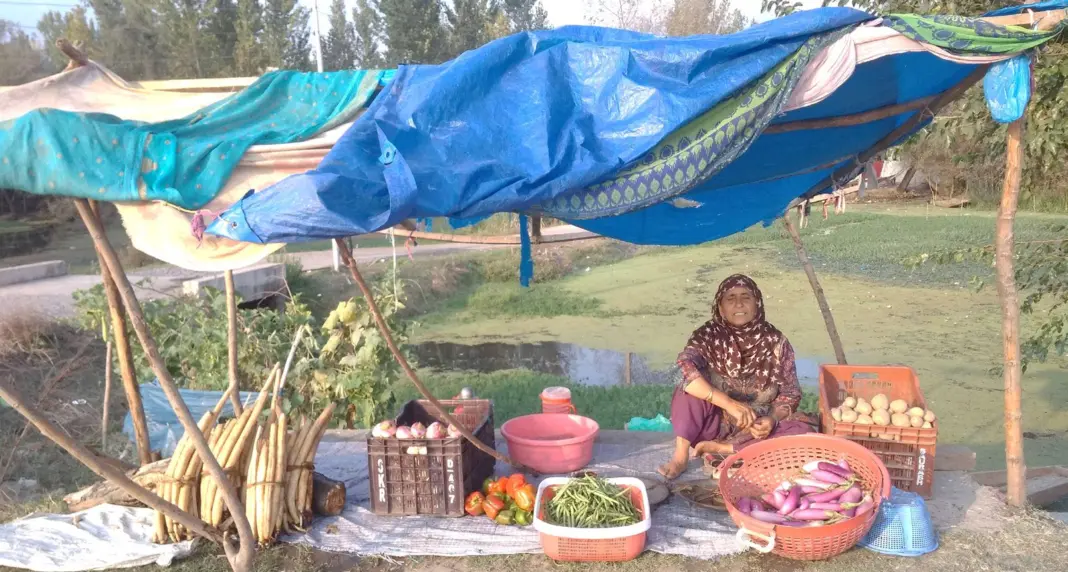


By understanding their struggles and advocating for empathetic, inclusive policies, we can work towards creating cities that thrive without leaving behind those who earn not for grand aspirations, but for the simple sustenance of their families
In the bustling streets of our cities, a significant segment of the population strives to make ends meet by engaging in activities like street vending. These individuals aren’t seeking to amass wealth or construct towering buildings; their primary goal is more fundamental – putting food on the table for their families.
Unfortunately, these very individuals, often belonging to the economically disadvantaged, find themselves in the crosshairs of government actions. As cities evolve and regulations tighten, the plight of street vendors becomes increasingly precarious.
The recent viral video of an elderly man being forcefully dragged and witnessing his livelihood vandalized by government authorities is a stark reminder of the harsh realities faced by those who depend on street vending for survival. The emotional impact of such scenes is undeniable, as hearts burst into tears witnessing the struggles of individuals who simply seek to provide for their families.
Street vendors play a vital role in the economic fabric of our cities, offering affordable goods and services while contributing to the vibrancy of local communities. However, as urban landscapes transform and governments implement stringent measures, these hardworking individuals often bear the brunt of the changes.
Understanding the Struggle
The men and women who set up shop on sidewalks and street corners aren’t doing so out of choice but out of necessity. They form part of the informal economy, grappling with limited resources and opportunities. Their daily earnings are not earmarked for grand investments; instead, they are a lifeline, ensuring a modest meal for their children and loved ones.
The Unseen Impact
Government actions, ostensibly taken for urban development or regulatory compliance, can inadvertently exacerbate the challenges faced by these vulnerable groups. Vandalizing their meagre inventory or imposing stringent restrictions may seem like necessary steps, but they fail to address the root causes of poverty and push these individuals further into hardship.
A Call for Empathy and Inclusive Policies
It is imperative to delve into the underlying reasons behind such government measures. Is there a way to strike a balance between urban development and safeguarding the livelihoods of those on the margins of society? Empathy must be a guiding principle in crafting policies that not only regulate but also uplift the lives of the economically disadvantaged.
Promoting Sustainable Solutions
Rather than punitive actions, governments should focus on comprehensive, inclusive policies that consider the socio-economic context. Providing alternative spaces, skill development programs, and financial assistance can be more constructive approaches. Collaborative efforts involving local communities, policymakers, and urban planners are essential to finding sustainable solutions that protect both the vibrancy of our cities and the livelihoods of the most vulnerable.
In conclusion, the dichotomy between urban development and the well-being of street vendors is a complex challenge. By understanding their struggles and advocating for empathetic, inclusive policies, we can work towards creating cities that thrive without leaving behind those who earn not for grand aspirations, but for the simple sustenance of their families.
The writer can be reached at wa*******@***il.com