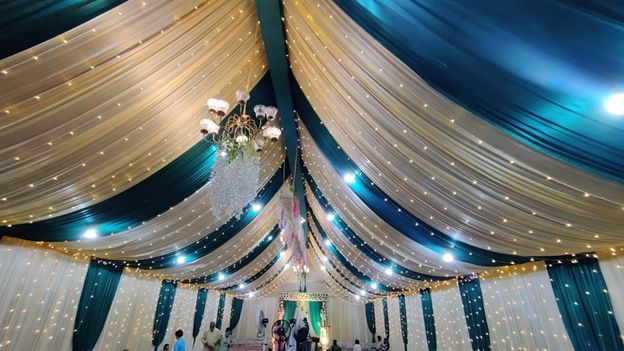


A marriage is meant to be the beginning of a lifelong journey, but somewhere along the way, we have turned this beautiful bond into a social examination where families are judged, expectations are measured, and simplicity is often forgotten.
Suhail Ahmad Taploo
A marriage is meant to be the beginning of a lifelong journey, but somewhere along the way, we have turned this beautiful bond into a social examination where families are judged, expectations are measured, and simplicity is often forgotten.
Marriage in Kashmir has always been more than a social ceremony; it has been a sacred institution representing family values, companionship, responsibility, and community bonds. Traditionally, Kashmiri marriages were known for simplicity, dignity, and strong social connections. However, in changing times, this institution finds itself facing several challenges that require sincere introspection from society.
One of the most visible concerns is the growing expectations surrounding marriages. A relationship that should primarily be built on understanding, trust, and compatibility is increasingly influenced by social comparisons and material standards. The pressure to organise grand functions, maintain a certain lifestyle, and fulfil societal expectations has made marriage a stressful responsibility for many families.
Behind every delayed marriage, there is often a family silently carrying pressure, a young person struggling between dreams and expectations, and parents worried about fulfilling standards created by society. These are not merely discussions; they represent real lives, emotions, and challenges.
Another important aspect requiring attention is the Mehr system. Mehr is an important right of the bride and carries deep significance in Islamic tradition, representing respect, security, and responsibility. The discussion is not about questioning its importance, but about understanding its true spirit. A system designed to provide dignity and security should not become a reason for hardship. The beauty lies in preserving its purpose while avoiding extremes.
The persistence of caste and social divisions is another challenge that continues to influence matrimonial choices. Despite educational progress and changing times, many decisions are still shaped by social status, family background, and traditional boundaries.
Spatial inequality also plays a role in shaping the marriage landscape. Differences between urban and rural areas, economic disparities, and unequal access to education and opportunities can influence expectations and choices.
Addressing these challenges requires collective responsibility. Families must reconsider unnecessary social competition and focus on creating an environment where young people can make responsible choices based on understanding and compatibility.
Masjid committees, community leaders, and religious scholars have an important role in bringing positive change to the Nikah system. They can help spread awareness about simplicity, discourage excessive demands, and remind people of the true purpose of marriage.
The need of the hour is a social movement towards simplicity. Communities, elders, religious scholars, and families must collectively redefine success in marriage — not by the number of guests or expenses involved, but by the peace, respect, and stability created afterwards.
The aim should not be to abandon our traditions but to protect their meaningful values while removing practices that create unnecessary hardship. Kashmir has a rich heritage of compassion, simplicity, and strong family bonds.
The strength of a society is reflected not in how grandly it celebrates weddings, but in how easily it enables its youth to build peaceful and dignified families.
su*************@***il.com