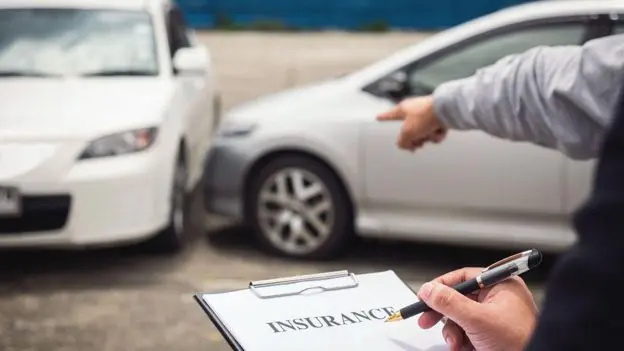


Hit-and-run damage can leave you staring at dents, broken lights or a smashed bumper with no one available to take responsibility. For many car owners, the bigger worry comes next: will car insurance actually pay for the repair? The answer depends on the policy type, selected add-ons, and claim conditions.
Here is what each cover can offer after such an incident.
Third-Party Insurance
Third-party insurance is the basic legal requirement for every car owner in India. It is meant to cover your legal liability when your vehicle causes injury, death or property damage to another person. This is important from a compliance perspective, but it may not be enough if your own car is damaged by an unidentified vehicle.
Key points to note:
- It covers third-party liability as mentioned in the policy wording.
- It is legally required for driving on Indian roads.
- It is not designed mainly for repairs to your own car.
- It offers limited value when the other vehicle cannot be traced.
So, while third-party insurance keeps you legally compliant, it may leave you managing your own repair expenses after a hit-and-run.
Comprehensive Car Insurance
Comprehensive car insurance gives broader protection because it usually combines third-party liability with own-damage cover. This means your policy can respond when your car is damaged in an accident, including a hit-and-run, depending on the policy terms and the insurer’s claim assessment.
After the incident, you should act carefully:
- Take clear photos of the damage and the accident spot.
- File a police report where required.
- Inform your insurer without unnecessary delay.
- Avoid repairing the car before inspection unless advised.
- Keep repair estimates and related documents ready.
A comprehensive policy cannot remove the stress of an accident, but it can make the financial side of repairs more manageable.
Add-Ons That Make a Big Difference
Add-ons can improve the way a comprehensive car insurance policy supports you after a hit-and-run. They work alongside the base policy and can reduce certain out-of-pocket expenses, depending on the cover selected.
Zero Depreciation Cover
Zero Depreciation Cover is useful when damaged parts need to be replaced. In a standard claim, depreciation is often applied to parts before the claim amount is calculated. This can leave you paying a share of the repair bill.
It can be useful when:
- The car needs major parts replacement.
- The repair includes plastic, fibre, rubber or metal parts.
- You want lower depreciation-related deductions.
- Your vehicle is relatively new or costly to repair.
For a hit-and-run claim, this cover can make a noticeable difference in the final repair settlement.
Engine Protection Cover
A hit-and-run may not always leave only visible body damage. In some cases, the impact can affect internal components, especially when the car is driven after the accident or when related issues develop later.
This add-on can matter when:
- Engine parts are affected due to a covered event.
- Repairs involve internal components.
- Damage is more serious than it first appears.
- The claim matches the conditions stated in the policy.
Since engine repairs can be financially significant, this add-on is worth reviewing while choosing your policy.
No-Claim Bonus Protection
A No-Claim Bonus rewards you for not making claims during the policy period. However, a hit-and-run may force you to claim even when you were not responsible for the damage. Without protection, your renewal benefit can be affected.
It is useful because:
- It protects your renewal benefit within defined claim limits.
- It suits careful drivers who face unexpected accidents.
- It can reduce the impact of one unfortunate claim.
- It supports long-term policy value.
This add-on is especially relevant when you want to protect the benefit earned over claim-free years.
Return to Invoice Cover
Return to invoice cover becomes important in severe cases where the car is declared a total loss or constructive total loss. A serious hit-and-run can sometimes lead to damage that is not economical to repair.
It can be useful when:
- The car is damaged beyond economic repair.
- The claim is treated as a total loss.
- The vehicle is relatively new.
- You want a wider financial recovery after a major accident.
This cover may not be needed for every car, but it can be valuable for owners who want stronger protection against major loss.
Conclusion
A hit-and-run can be frustrating, but your policy choice decides how well you are protected afterwards. Third-party insurance meets the legal requirement, while comprehensive car insurance gives broader support for own damage.
Add-ons such as Zero depreciation, engine protection, NCB protection and return to invoice can further improve claim support. Before renewal, read your policy wording carefully and choose cover that matches your driving needs.