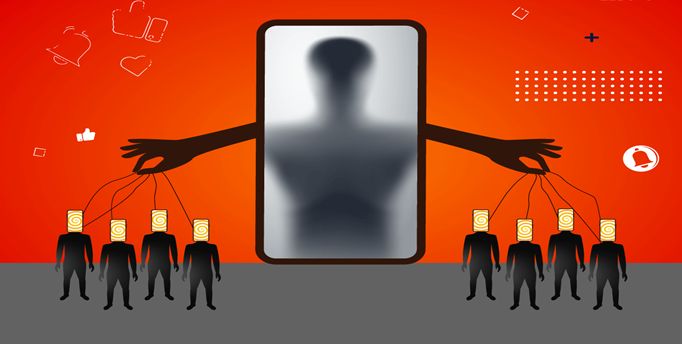


False allegations, unverified claims of harassment, character assassination, and distorted narratives are circulated publicly before any investigation or facts emerge. By then, reputations, careers, and mental peace have already been destroyed.
Dr Fazal Wani
In recent years, society has witnessed the alarming rise of self-proclaimed “journalists” and social media content creators who operate without professional ethics, verification, or accountability. Armed with smartphones and social media pages, many of them spread sensationalised, exaggerated, and often completely baseless narratives, turning rumours into “breaking news” within minutes. This menace is not confined to healthcare spaces alone.
Across Kashmir, such irresponsible reporting has increasingly affected every sector of society. False allegations, unverified claims of harassment, character assassination, and distorted narratives are circulated publicly before any investigation or facts emerge. In many cases, the truth surfaces later, and the allegations are proven wrong, but by then, reputations, careers, and mental peace have already been destroyed.
Hospitals remain among the worst-affected places. In emotionally sensitive situations involving patient deaths, complications, or disputes, these self-styled reporters rush to create dramatic one-sided stories. Without medical understanding or factual verification, doctors and healthcare workers are portrayed as villains, exposing them to public outrage, abuse, and even threats to their lives. Such reckless behaviour has dangerous consequences. It weakens public trust in institutions, fuels mob mentality, and promotes trial by social media rather than truth and justice. Journalism is a noble profession built upon ethics, verification, balance, and responsibility. But what we are increasingly witnessing today is not journalism; it is sensationalism for views, followers, and attention.
Equally concerning is the public’s blind encouragement of such unethical content creators. In Kashmir, there is an unfortunate tendency to instantly glorify and “make heroes” out of anyone who speaks loudly, posts emotionally charged videos, or creates controversy on social media, without questioning facts, credibility, or intentions. This blind following and unnecessary hype give irresponsible individuals power and influence they neither deserve nor know how to handle responsibly. People must understand that not every viral video is the truth, not every microphone holder is a journalist, and not every social media page is a reliable source of information. Society should stop promoting, sharing, and celebrating unethical content that spreads hatred, misinformation, humiliation, and division merely for views and popularity.
At this critical juncture, strict government intervention has become necessary. Authorities must formulate regulations against unauthorised and fake media activities, especially those involving the spread of misinformation and public defamation. Legal action should be taken against individuals or platforms that deliberately circulate false allegations, incite unrest, or endanger lives through unverified reporting. Sensitive places like hospitals must be protected from unnecessary media intrusion and social media exploitation. Freedom of speech is a democratic right, but freedom without responsibility becomes dangerous. Society must understand the difference between responsible journalism and reckless content creation.
If this growing culture of misinformation and online sensationalism is not checked today, tomorrow, anyone can become a victim of false narratives and public humiliation without evidence or justice.
wa*******@***il.com