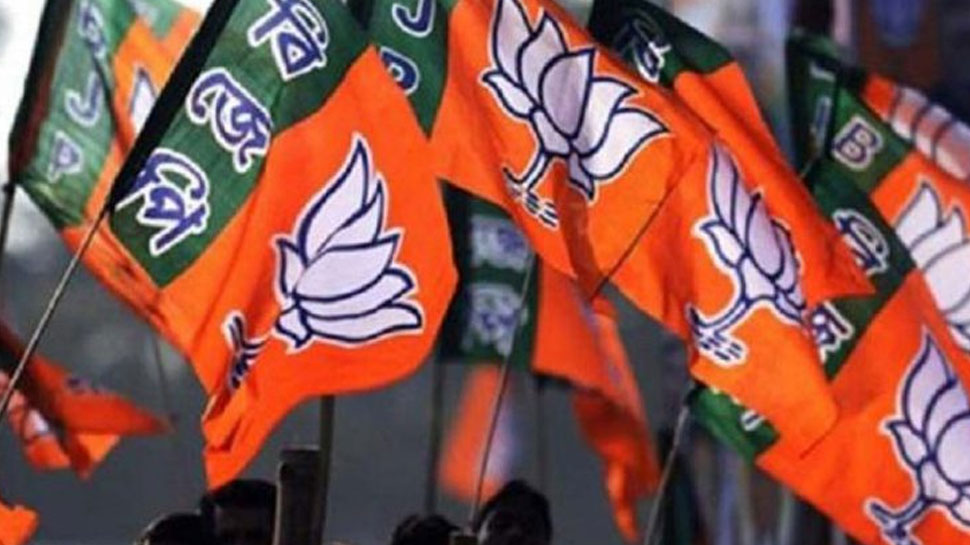


KOLKATA: The Bharatiya Janata Party (BJP) has registered a historic victory in the 2026 Assembly elections in West Bengal, marking an end to Mamata Banerjee-led TMC government’s 15-year rule in the state.
As per the official numbers from the Election Commission of India, the BJP has crossed the 200 mark in Bengal and restricted the TMC to around 80 seats. The Congress, meanwhile, managed to get two seats, while two went to Aam Janata Unnayan Party (AJUP). The Left Front and AISF bagged one seat each.
In terms of vote share, the BJP polled 46 per cent, followed by the Trinamool Congress at 41 per cent. The Left Front secured 4 per cent, the Congress 3 per cent, and others, including AISF and AJUP, accounted for 6 per cent.
Here’s taking a look at five major reasons how the BJP defeated the TMC in Bengal:
Strong Anti-Incumbency
After staying in power for 15 years, the Mamata Banerjee’s party had entered the Bengal election fighting a major anti-incumbency wave. Voters across the state had criticised the government for its handling on multiple issues, such as the recruitment scams, local level ‘syndicate’ culture as well as the RG Kar rape and murder case.
The three consecutive terms of the TMC were dominated by concerns over lack of jobs and industrial growth. Also, there were concerns over post-poll violence from earlier elections.
Altogether, the people of Bengal have now voted for a change for the first time since 2011 – the time when the CPI-M government was overthrown in favour of TMC.
Decline of Congress-Left
A big highlight of the 2026 Assembly elections in West Bengal was the bi-polarisation of the state politics, with the BJP and TMC being looked upon as the two dominant parties.
This time, the Congress and the Left managed to get only four seats combined. In the absence of a third-party, BJP was in direct contest against the TMC. Ultimately, this resulted in many favouring the BJP and voting against Banerjee’s government.
‘Turncoat’ politics
Ahead of the voting, the BJP had added several of the high-profile defectors from the TMC. Among these included former MPs like Arjun Singh and Dibyendu Adhikari.
Since the leaders were aware about TMC’s grassroots, this helped the BJP in dismantling the Banerjee-led party’s organisational advantage in traditional strongholds.
Highest voter turnout
A major highlight of the 2026 Assembly elections in West Bengal remains the historic overall turnout of more than 92 per cent. Going by previous trends, such voter turnouts in the state have often signaled a “wave” for change. During the election campaigning, the BJP made all possible efforts to ensure that their supporters turned out in unprecedented numbers and easily managed to counter TMC’s defensive strategy.
BJP’s ‘Double Engine’ narrative
Throughout the Assembly polls in West Bengal, the BJP’s campaign remained focused on the promise of “Sonar Bangla” through a “double engine government”.
The mandate clearly suggests that the cash-transfer model has finally peaked as the BJP BJP successfully framing TMC’s welfare schemes as temporary.
Agencies