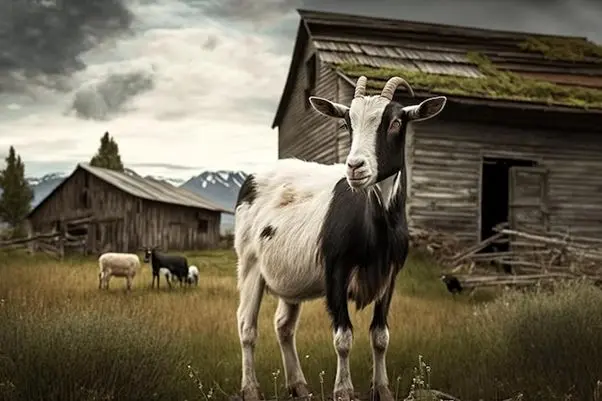


With rapid urbanisation and concerns over food safety, goatry offers a decentralised alternative. Goats require only 8–10 square feet per animal and can produce 2–3 litres of milk daily. The region produces 28.75 lakh metric tonnes of milk annually, yet goat milk accounts for only a small share. This vast untapped potential demands urgent attention.
Dr Arfat Aalum
Kashmir, celebrated for its rich pastoral heritage and favourable agro-climatic conditions, stands at a critical juncture where traditional livestock practices must evolve to meet emerging socio-economic and health challenges. Rapid urbanisation, shrinking landholdings, and growing concerns over food safety and adulteration have created an urgent demand for sustainable, reliable, and safe sources of nutrition. In this evolving landscape, goat farming—or goatry—emerges not merely as an alternative, but as a practical and promising solution for ensuring both rural livelihoods and urban nutritional security.
Historical And Nutritional Significance Of Goat Milk
Goat milk holds a distinguished place in the history of human nutrition. From ancient Mediterranean civilisations to traditional Asian societies, it has long been valued for its medicinal and dietary properties. Often referred to as the “Poor Man’s Cow,” it is known for its superior digestibility, smaller fat globules, and rich nutrient composition.
Modern science further validates these traditional beliefs. Goat milk is hypoallergenic, easier to digest, and contains lower lactose levels, making it especially suitable for children, the elderly, and individuals with lactose intolerance. It supports gut health, enhances immunity, and contributes to overall well-being—making it highly relevant in today’s health-conscious world.
Goat Population And Livestock Potential In Jammu & Kashmir
Jammu & Kashmir has a strong livestock base, with goats forming a significant component of the rural economy. Goats account for nearly 21–22% of the total livestock population, reflecting their economic and ecological importance.
The region produces about 28.75 lakh metric tonnes of milk annually, with a per capita availability of around 577 grams per day, which is higher than the national average. However, goat milk accounts for only a small share of this pool, highlighting vast untapped potential for expansion.
Goats are well adapted to the diverse topography and climatic variations of Kashmir, from plains to hilly terrains. Their resilience, low input requirements, and ability to thrive on limited resources make them an ideal livestock species for marginal farmers and urban households.
Urbanisation And The Need For Viable Alternatives
With rapid urban expansion in Kashmir, conventional dairy farming is becoming increasingly impractical in towns and cities due to space constraints and management challenges. Cattle rearing requires larger spaces, higher investment, and more intensive care.
Goatry, in contrast, offers a highly adaptable solution. Goats require as little as 8–10 square feet per animal and can be easily reared in backyards or small enclosures. Milch goats can produce 2–3 litres of milk per day, sufficient to meet the daily needs of an average household.
This makes goat farming particularly suitable for urban and peri-urban families, enabling them to achieve self-reliance in milk production.
Rethinking Milk Supply Chains And Food Safety
Although the Kashmir region is largely self-sufficient in milk production, it is important to understand the milk marketing chain:
Rural production → Collection → Transportation → Processing → Distribution → Urban consumption
This multi-stage system, despite strict quality controls, introduces multiple handling points, increasing the potential risk of contamination or adulteration.
Goatry provides a decentralised alternative. Milk produced at the household level can be consumed directly, eliminating intermediaries and reducing handling. This farm-to-home model ensures freshness, purity, traceability, and reduced risk of adulteration.
Scope For Breed Improvement And Milch Goat Introduction
To unlock the full potential of goatry in Kashmir, there is a need to introduce high-yielding milch breeds.
Promising Indian breeds:
Jamunapari
Beetal
Barbari
Exotic breeds:
Saanen
Alpine
These breeds can produce 2–4 litres of milk per day under proper management. Strategic crossbreeding and controlled introduction of superior germplasm can help develop locally adapted, high-yielding goat populations.
Government Initiatives And Institutional Support
The Sheep Husbandry Department, Jammu & Kashmir, has taken significant steps toward modernising the sector. The introduction of embryo transfer technology marks a milestone in genetic improvement. Plans to expand such facilities across districts will further strengthen breeding programs.
The establishment of an Elite Goat Farm at Bandipora, with imported Swiss Alpine breeds, is expected to act as a nucleus for disseminating superior genetics throughout the region.
Cultural Acceptance And Market Potential
Kashmir already has a strong cultural affinity for goat products, particularly meat. This existing acceptance provides a solid foundation for promoting goat milk consumption as well.
Additionally, goat milk often commands a premium price due to its perceived medicinal value.
Need For Public Awareness And Policy Support
Despite its immense potential, goatry remains under-promoted. There is an urgent need for public awareness campaigns, training programs, demonstration units, and inclusion of goatry in urban livelihood and nutrition schemes.
Urban households need to be educated that goat rearing is not only feasible but also a practical solution to rising health concerns.
Conclusion
Kashmir’s unique climate, geography, and cultural landscape make it ideally suited for goat farming. With a substantial goat population and increasing demand for safe and nutritious food, goatry stands out as a powerful yet underutilised resource.
With focused awareness, scientific intervention, and sustained institutional support, goat farming can evolve into a strategic pillar of future food security and health resilience in Kashmir.
The writer holds an MVSc in Animal Nutrition from SKUAST-K
ar*******@***il.com