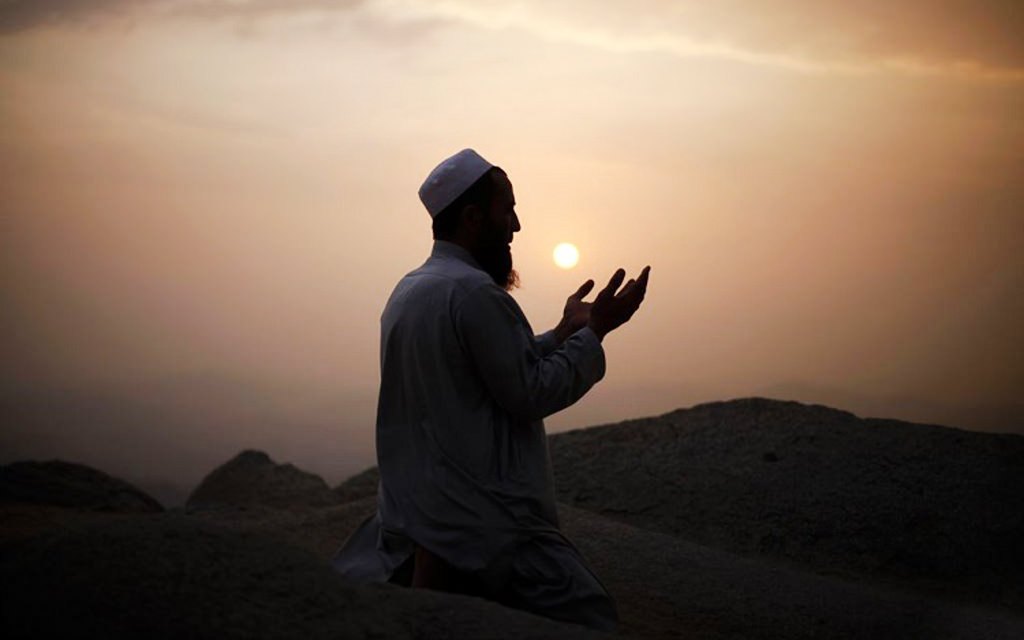


The goal is not just completion, but emergence with a heart transformed by patience, gratitude, and compassion
Mohammad Kafeel Qasmi
As the blessed month of Ramadan begins to draw to a close, a profound spiritual urgency fills the hearts of believers. The final stretch of this sacred month is not merely a continuation of fasting and prayer. Rather, it represents the culmination of a spiritual journey, a moment when the gates of divine mercy remain open, and the believer is invited to seek the ultimate reward of forgiveness and closeness to Allah. The last days of Ramadan hold a unique distinction in Islamic teachings, and the guidance of the Prophet Muhammad clearly indicates that these nights carry immense spiritual opportunity.
The Qur’an reminds believers that fasting was prescribed in order to cultivate consciousness of God. Allah says in the Qur’an, “O you who believe, fasting has been prescribed for you as it was prescribed for those before you so that you may attain taqwa” (2:183). Taqwa, the deep awareness of Allah, is the ultimate goal of Ramadan. The final days of the month, therefore, serve as a critical period for self-reflection, repentance, and renewal of faith.
The example of the Prophet Muhammad (PBUH) provides the clearest roadmap for these closing days. According to authentic traditions, when the last ten nights of Ramadan arrived, the Prophet would intensify his worship. He would spend the nights in prayer, awaken his family members for worship, and devote himself entirely to spiritual devotion. This practice reflects the understanding that the last portion of Ramadan is not a time to slow down spiritually but rather a time to increase effort and sincerity.
One of the greatest blessings of these nights is the search for Laylat al Qadr, the Night of Decree. The Qur’an declares that this single night is better than a thousand months. The revelation states that on this night, the angels descend with divine commands, and peace prevails until dawn. The precise date of Laylat al Qadr is not specified, but the Prophet (PBUH) encouraged believers to seek it during the odd-numbered nights of the last ten days. This uncertainty is itself a divine wisdom, encouraging believers to remain engaged in worship throughout the entire period rather than limiting devotion to one specific night.
Among the most important acts of worship during the last days of Ramadan is increased prayer. The nightly congregational prayers known as Tarawih hold special significance, but personal night prayers are equally important. Standing before Allah in the quiet hours of the night cultivates humility and sincerity. In these moments, the believer can reflect on his life, seek forgiveness, and renew his commitment to righteousness.
Supplication also occupies a central place during these nights. A famous prayer recommended by the Prophet for the Night of Decree is a simple yet profound appeal for forgiveness. The essence of this supplication is to ask Allah, who loves to pardon, to grant forgiveness to His servant. Such prayers remind believers that Ramadan is ultimately a month of mercy and redemption.
Another deeply meaningful practice is I’tikaf, the spiritual retreat observed in the mosque during the final ten days of Ramadan. Through this practice, a believer temporarily withdraws from worldly distractions in order to focus entirely on worship and remembrance of Allah. The Prophet himself observed I’tikaf regularly, demonstrating its importance as a means of spiritual purification and reflection.
Charity is also emphasised during the closing days of Ramadan. The Prophet Muhammad was known for his extraordinary generosity, and his charity increased even more during this sacred month. Giving to the poor, supporting those in need, and strengthening social bonds reflect the broader ethical teachings of Islam. One particular form of charity associated with the end of Ramadan is Zakat al Fitr, which ensures that even the most vulnerable members of society can participate in the joy of the upcoming festival.
Equally important is sincere repentance. The last days of Ramadan invite believers to review their actions and seek forgiveness for their shortcomings. The Qur’an repeatedly calls upon humanity to turn back to Allah with sincerity, promising that divine mercy is vast and encompassing. The closing nights of Ramadan offer an ideal moment to make such a return.
Another essential aspect of these final days is reflection on the Qur’an itself. Ramadan is the month in which the Qur’an was revealed, and believers are encouraged to deepen their relationship with its message. Recitation, contemplation, and understanding of its guidance strengthen faith and help align one’s life with divine principles.
Yet perhaps the most important lesson of the final days of Ramadan is the transformation of the heart. The purpose of fasting is not merely abstention from food and drink. It is a discipline designed to nurture patience, gratitude, humility, and compassion. If these qualities take root during Ramadan, they should continue to shape a believer’s life long after the month ends.
The closing days of Ramadan, therefore, represent both an end and a beginning. They mark the completion of a sacred period of devotion, but they also open the door to a renewed life of faith and moral responsibility. A believer who seizes these days with sincerity, prayer, charity, and repentance may emerge spiritually transformed.
In essence, the final days of Ramadan remind believers that divine mercy is always near, but it must be sought with effort and sincerity. Those who dedicate themselves to worship during these nights are following the example of the Prophet and responding to the call of the Qur’an. For them, the closing moments of Ramadan may well become the most rewarding and spiritually uplifting days of the entire year.
The writer is an Islamic scholar, columnist and academic strategist
ka*************@***il.com