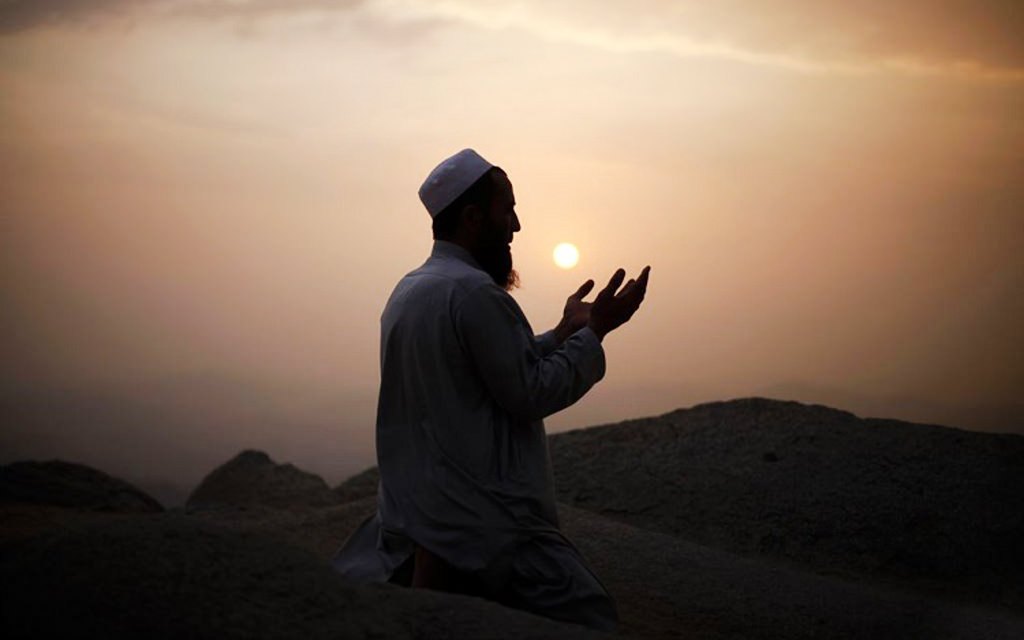


The holy month offers a structured opportunity to develop effective time management skills—waking early for sehri, performing prayers at prescribed times, balancing worship, family, and work
Dr Sofi Rafiq
The holy month of Ramadan is being observed across the Muslim world with deep devotion and spiritual enthusiasm. It is a sacred period dedicated to developing taqwa (God-consciousness) and seeking forgiveness from Allah Almighty. Every day of this blessed month is filled with rahma (mercy) and maghfirah (forgiveness). Ramadan also holds a special place in Islamic history because it is the month in which the Qur’an was revealed as guidance for mankind. According to Islamic teachings, during Ramadan, the gates of Paradise are opened, the gates of Hell are closed, and the devils are chained.
Ramadan also serves as a spiritual test for Muslim societies. Even in times when moral values appear to decline, if a positive transformation in people’s behaviour is witnessed during Ramadan, it shows that the inner conscience of society is still alive. However, if no change is seen, it may indicate a deeper spiritual weakness. Although many Muslims try to live a disciplined life during this month by following the teachings of Islam, the real challenge lies in sustaining these positive habits/values and practices throughout the year.
Ramadan provides a unique opportunity for personal transformation, both physically and spiritually. It encourages individuals to develop healthy habits and enhance their time management skills. Time is one of the most precious assets granted by Allah. Once lost, it can never be recovered. Every person desires success in life, and success is often achieved through the effective management of limited resources. Time is one such limited resource. Therefore, using it wisely can lead to success in both this world and the Hereafter.
Many scholars and thinkers emphasise the importance of time management in achieving success. Stephen Covey, the author of The Seven Habits of Highly Effective People, defines time management as the ability to organise and execute tasks according to priorities. Islam not only stresses the importance of time in theory but also offers practical guidance for managing it effectively. In Islamic teachings, time is considered a trust (Amanah) from Allah, and every moment of it can contribute to success in the Akhirah (the Hereafter).
The Qur’an and Hadith repeatedly highlight the value of time. The opening verse of Surah Al-‘Asr begins with an oath by time, emphasising its significance. Allah reminds humanity that time is essential for fulfilling responsibilities, and once it passes, it cannot be reclaimed. The Prophet Muhammad (peace be upon him) also warned about the loss of valuable blessings. In a Hadith narrated by Ibn ‘Abbas, He said: “There are two blessings which many people lose: health and free time.” On another occasion, the Prophet (SAW) did not greet a man who was sitting idle, but later greeted him when he saw him engaged in a productive activity, highlighting the importance of purposeful living.
One effective way to manage time from an Islamic perspective is by setting priorities. This involves identifying which tasks are most important and which can be delayed. Muslims are encouraged to prioritise activities that benefit both worldly life and the Hereafter. Such activities include performing Salah (prayer), reading the Qur’an, seeking knowledge, spending time with family, and participating in community service, among others.
Ramadan itself can be viewed as a 30-day regressive training program in time management. During this month, Muslims follow a structured daily routine. They wake up early for sehri, break their fast at iftar, and perform the five daily prayers, along with Tarawih at night, all at specific times. This disciplined schedule trains individuals to organise their day effectively and appreciate the value of every moment. The lessons learned during Ramadan should ideally continue long after the month ends.
To make the most of Ramadan, Muslims can adopt several practical strategies for effective time management:
- Barakah In The Early Hours
Ramadan encourages people to wake up early for sehri, which naturally leads to starting the day earlier. Early mornings are believed to contain special blessings. The Prophet Muhammad (peace be upon him) prayed: “O Allah, bless my Ummah in the early mornings.” Beginning tasks early often increases productivity and allows individuals to accomplish more during the day.
- Prioritising Religious Obligations
In Islam, the five daily prayers are obligatory and must be performed at their designated times. The Qur’an states: “Indeed, prayer has been decreed upon the believers at specified times” (4:103). This verse emphasises the importance of organising daily activities around prayer. Ramadan helps strengthen the habit of performing Salah punctually.
- Avoiding Procrastination
Procrastination wastes valuable time and is discouraged in Islam. The Prophet Muhammad (peace be upon him) advised: “Make the most of five before five: your youth before your old age, your health before your sickness, your wealth before your poverty, your free time before your work, and your life before your death.”
This teaching reminds Muslims to utilise opportunities before they disappear. Ramadan encourages discipline and helps individuals avoid delaying important tasks.
- Recognising Time As A Precious Resource
The Qur’an highlights the fleeting nature of time in Surah Al-‘Asr: “By time, indeed mankind is in loss, except for those who believe, perform righteous deeds, and encourage one another to truth and patience.” (103:1–3) This powerful message reminds believers to use their time for meaningful actions such as worship, learning, and helping others.
- Eliminating Distractions
Ramadan is an ideal time to focus on spiritual and productive activities. Reducing unnecessary distractions—such as excessive screen time, unproductive conversations, or oversleeping—can help individuals make better use of their time.
- Balancing Work And Family Life
Islam also emphasises maintaining a healthy balance between work and family. The Prophet Muhammad (peace be upon him) said: “The best among you are those who are best to their families.” This teaching highlights the importance of spending quality time with loved ones while fulfilling professional and religious responsibilities. Ramadan naturally encourages this balance by bringing families together during sehri, iftar, and prayers.
To conclude, Time management is a vital skill for leading a balanced and successful life. The teachings of the Qur’an and Hadith provide clear guidance on how to use time wisely. By prioritising religious obligations, avoiding procrastination, recognising the value of time, minimising distractions, and maintaining a balance between work and family, Muslims can make the most of their time.
Ramadan offers a powerful opportunity to develop these habits. If individuals succeed in adopting effective time-management practices during this blessed month and continue them throughout the year, they can achieve both spiritual growth and worldly success. However, if this opportunity is missed, an important step toward personal and spiritual development may also be lost.
ra*******@***il.com