

Calls move ‘neo-imperial arrogance’
NEW DELHI: The Opposition on Friday sharply criticised the Centre after the United States announced a temporary waiver allowing Indian refiners to purchase Russian oil, with several leaders questioning why New Delhi needed Washington’s approval for its energy choices.
The criticism comes amid rising tensions in West Asia and disruption of shipping routes through the Strait of Hormuz, which is a key passage for global oil supplies. The US Treasury said the waiver would allow Indian refiners to buy Russian crude for 30 days so that oil continues to flow into global markets during the crisis.
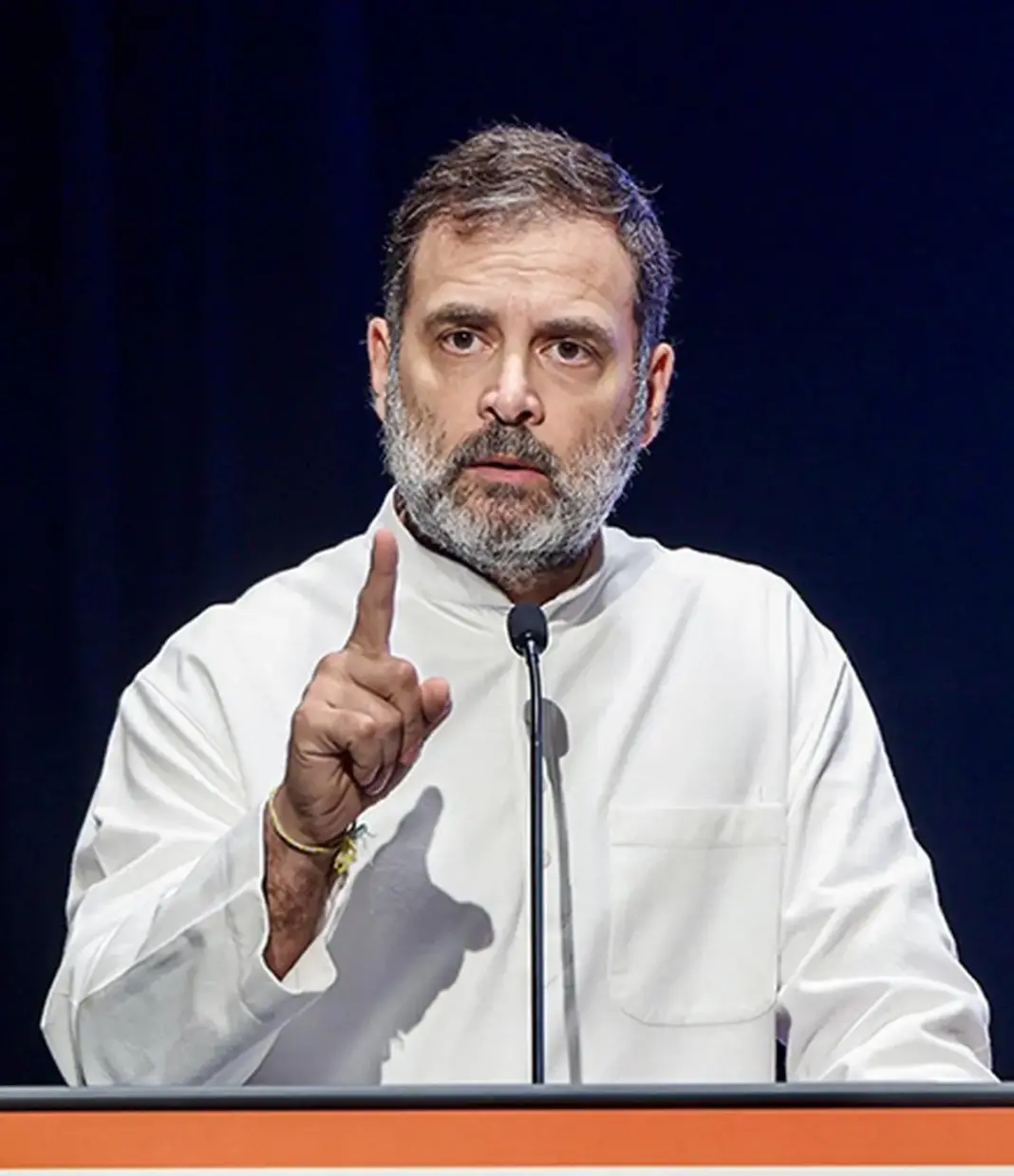
Leader of Opposition in the Lok Sabha Rahul Gandhi said India’s foreign policy must reflect the will and traditions of its people rather than what he described as the “exploitation of a compromised individual”.
“India’s foreign policy emerges from the collective will of our people. It should be rooted in our history, our geography, and our spiritual ethos based on Satya and Ahimsa. What we are witnessing today is not policy. It is the result of the exploitation of a compromised individual,” Gandhi wrote on X.
Former Delhi chief minister and Aam Aadmi Party convenor Arvind Kejriwal also questioned why India would require permission from the United States to buy oil from Russia.
“Who is America to grant India permission to buy oil from Russia? Why does India even need permission from America?” he said in a post on X, alleging that India’s leadership appeared weak in its dealings with Washington. Kejriwal further demanded Prime Minister Narendra Modi’s resignation, saying India should not appear to bow before another country.
Several Congress leaders echoed similar concerns.
Congress MP Manish Tewari asked whether India needed approval from Washington to determine its energy sources, criticising what he described as the United States’ “neo-imperial arrogance”.
“Are we a banana republic that we need the permission of the US to secure our energy security imperatives?” he said on X, also questioning the Centre’s silence over the announcement.
Congress MP KC Venugopal called the development humiliating for India’s sovereignty and global standing, arguing that the country should independently decide what best serves its national interest.
Congress leader Jairam Ramesh described the situation as “American blackmail” in a short post on X while referring to the US announcement.
Congress MP Randeep Singh Surjewala also alleged that the government had compromised India’s sovereignty and questioned why India should seek US approval to buy Russian oil.
CPI leader and Rajya Sabha MP Sandosh Kumar P also wrote to Prime Minister Narendra Modi, calling the US remark “humiliating for a sovereign nation.” In his letter, he questioned how Washington could claim to “allow” India to buy oil and said the statement created the impression that India’s energy choices were subject to American approval.
He urged the Prime Minister to raise the matter diplomatically and make it clear that India’s energy security and foreign policy decisions would be guided only by national interest.
Political commentator Tehseen Poonawalla also criticised the US’s move. In a post on X, he said it was “an utter disgrace to our sacred sovereignty” that Washington appeared to decide whether India could buy Russian oil.
The controversy followed a statement by US Treasury Secretary Scott Bessent, who announced the measure on X.
“President Trump’s energy agenda has resulted in oil and gas production reaching the highest levels ever recorded. To enable oil to keep flowing into the global market, the Treasury Department is issuing a temporary 30-day waiver to allow Indian refiners to purchase Russian oil,” Bessent wrote.
He said the short-term waiver would only allow transactions involving Russian oil already stranded at sea and would not significantly benefit Moscow financially. He also added that the United States expects India to increase imports of American oil.
According to Bessent, the measure aims to ease pressure caused by Iran’s actions in the global energy market.
The US move has come against the backdrop of escalating tensions in West Asia. The situation worsened after joint US-Israeli strikes on Iran on 28 February that killed Iran’s Supreme Leader Ayatollah Ali Khamenei along with several senior figures.
Iran soon hit back, launching strikes aimed at American military bases and Israeli-linked targets across the region. The back-and-forth has deepened fears that the conflict could spiral further, unsettling a part of the world that sits at the heart of the global energy trade.
Much of the concern centres on the Strait of Hormuz, a narrow stretch of water but one of the most important oil routes on the planet. A huge volume of global crude passes through this corridor every day. For India, the route is especially vital because close to 40 per cent of the country’s oil imports come from this region and travel through these waters.
Any disruption there can ripple through the Indian economy. Industries such as ceramics and fertilisers, which rely heavily on liquefied natural gas (LNG) imported from Gulf Cooperation Council countries, could feel the impact if energy supplies tighten.
However, government sources said India remains in a comfortable position regarding energy security, with adequate stock levels and diversified sources of supply. They said the country continues to review the situation closely and is in touch with multiple suppliers to ensure the uninterrupted availability of crude oil and gas.
Agencies