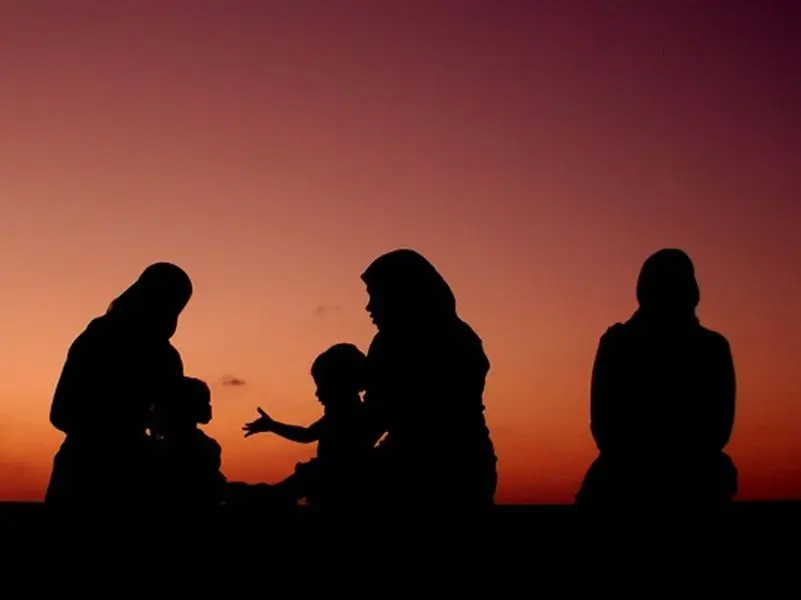


‘Behind every calm home, is a women holding storms in her chest’
There is no denying the fact that our society frequently commends women for their sacrifices. However, it is also true that it seldom recognises the silent challenges that women confront in their homes. After marriage, many women lose their identities since they are expected to focus solely on their family.
Society often perceives women as emotionless beings who exist merely to uphold the honour of their family. Women in our society perform unpaid domestic labour. Every day, without breaks, evaluations, or anyone noticing, they take care of their families and shoulder all household responsibilities. Women are advised to be strong but not assertive, to smile but not laugh, to be competent but not ambitious, and to be bold in silence, yet never speak up.
Despite bearing countless responsibilities and enduring silent struggles and sacrifices that often go unnoticed, women ask for very little in return – just understanding from their loved ones and the support to grow. However, when she looks around, she finds herself all alone, making her feel underconfident and less capable. This in turn leads to her being a dependent person – not just financially or emotionally but also mentally, socially and in the very decisions that shape her life. She never gets a chance to decide her own life. A woman is not allowed to choose between her career and marriage; instead, she is expected to sacrifice one for the other.
Even in this modern world (including some parts of India), women are still kept away from education. Some are married off at a very young age, while others are forced to stay at home. Without any announcement, their opportunities are taken away because someone else decides their future for them. Too often, people ignore a woman’s pain. Her health issues, like those related to menstruation, fertility or mental health, are surrounded by shame. Many women suffer in silence, unheard by the very institutions meant to help them. Many women live with fear every day. They fear walking alone, being harassed at the workplace, speaking up and facing judgment or disbelief.
Time and again, many women face violence, emotional & verbal abuse, not just in public but even in their homes. Even so, women often resolve conflicts, preserve connections and provide support to their families. Many women find satisfaction in caring for their families & creating a harmonious home environment. Yet this devotion is often taken for granted, with little or no recognition of the emotional labour and personal sacrifices a woman entails.
Studies suggest that women who effectively utilise emotional labour, particularly in leadership roles, may be viewed more positively and be seen as more promotable. Women in leadership positions may find that practising emotional labour helps them connect with their teams, inspire them, and achieve organisational goals more effectively. This impression management strategy may result in more prosocial use of power overall.
Although a significant part of the responsibility for bringing about a change lies with men, it is equally important for everyone to reflect on the expectations placed on women, both in the workplace and at home. For too long, women have silently carried the emotional burden, but it’s time to say no.
Change has to begin somewhere, and this is a call for change. These are not just women’s issues; they are human issues. These are our issues. Women are not asking for any special treatment, they are simply demanding equality, dignity, safety and respect. Respecting women’s individuality within families is not a favour, but a fundamental necessity for building a healthier and more just society.
Let us listen, let us care and more importantly, let us act.
Syed Akeela Geelani & Humaira Shafeeq
zb*****@********ac.in