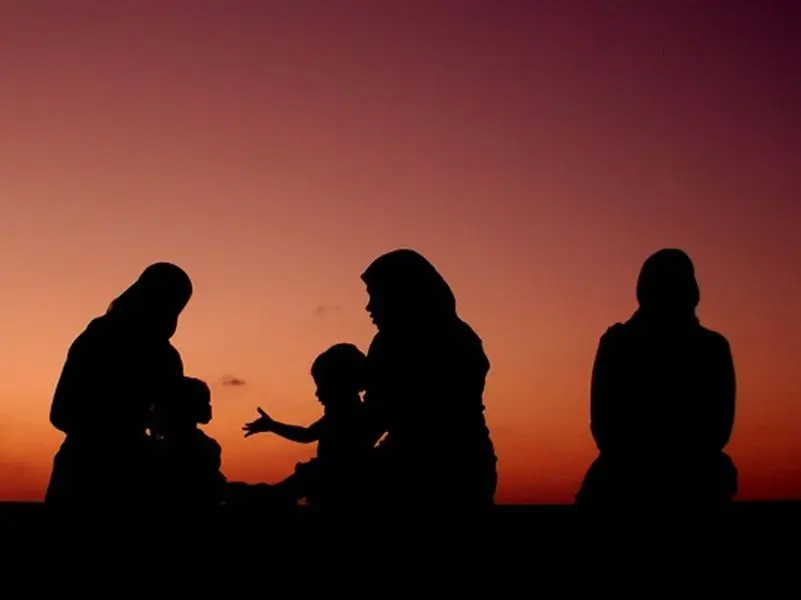


As social evils rise among students, strengthening Islamic education and community efforts is essential to restore discipline, character, and spiritual grounding for a brighter future in Kashmir
In Kashmir, most of the students, once known for their discipline, manners, and moral consciousness, are increasingly falling into the grip of social evils such as drug abuse, alcoholism, and disrespectful behaviour. Behind this worrying trend lies a much deeper issue: a growing distance from the teachings of the Holy Qur’an and Hadith, not only among students but also among some teachers and mentors who are meant to guide them.
The Qur’an is not just a religious text. It is a divine manual for humanity, offering guidance on every aspect of life, from personal behaviour and family relations to social justice and ethical decision-making. Similarly, the Hadith—the sayings and actions of the Prophet Muhammad (peace be upon him)—provide a living example of how to implement these teachings with wisdom, compassion, and clarity. Together, these two sources serve as the moral compass of a Muslim’s life.
However, in recent years, a noticeable drift away from these teachings has taken place in our society, especially among the youth. Influenced by global pop culture, unchecked social media exposure, peer pressure, and lack of spiritual grounding, many students find themselves lost in a world that confuses temporary pleasure with long-term purpose.
More painful, however, is the reality that even within our schools and educational institutions, the emphasis on Islamic values is slowly diminishing. A significant number of teachers, who should be the torchbearers of knowledge and ethics, are no longer fulfilling their religious and moral responsibility to shape the minds and hearts of students. Some remain silent out of fear, others due to personal detachment from Islamic teachings, and a few simply because they have resigned from their greater duty in pursuit of routine, textbook-based teaching.
But education is more than the transfer of information. True education builds character. It nurtures responsibility, respect, and purpose. When students are taught in environments where Islamic teachings are sidelined or ignored, they are more likely to fall prey to destructive behaviours. The rise of drug abuse and alcohol consumption in Kashmir’s youth is not merely a health crisis; it is a spiritual crisis. It signals the weakening of a moral system that once protected generations from such harmful paths.
Our beloved Prophet Muhammad (peace be upon him) said: “The best among you are those who learn the Qur’an and teach it.” This saying is not limited to religious scholars alone. Every teacher, every parent, and every adult in a child’s life has a part to play in shaping that child’s moral compass. Sadly, when this duty is neglected, we leave our youth vulnerable to influences that not only destroy their future but also damage the fabric of our society.
What is at stake here is much more than just individual behaviour. It is the future of our Kashmir. If we allow this moral erosion to continue, we will be left with a generation disconnected from its identity, faith, and culture—unanchored in values, and unprotected from exploitation and addiction. No nation can rise if its youth are lost. No society can prosper if its teachers become indifferent.
So, where do we go from here?
First, we must collectively acknowledge the problem. This is not about blaming a particular group—it is about shared accountability. Parents must reconnect with their role as the first moral educators of their children. Teachers must go beyond the syllabus and serve as living examples of integrity, compassion, and faith. Educational institutions must actively promote Islamic ethics, not just through formal Islamic Studies periods, but by weaving those values into daily learning and school culture.
Second, we need stronger partnerships between schools, religious scholars, civil society, and government agencies to launch educational campaigns, counselling programs, and Islamic awareness initiatives aimed at students and teachers alike. These efforts should not be about punishment, but prevention and healing.
Lastly, as individuals, we must return to the Qur’an and Hadith ourselves, not just for ritualistic reading, but for meaningful understanding and application. It is only when we live by these teachings that we can genuinely inspire others to do the same.
Kashmir’s future depends on the spiritual strength of its present. We must act now, with sincerity, wisdom, and urgency. Let us not lose another generation to addiction, despair, or moral confusion. Let us raise students who are not only intelligent and educated, but also principled, God-conscious, and guided by the timeless light of Islam.
The writer is an educator committed to youth development and moral education. He writes on issues concerning education, ethics, and Islamic values in contemporary society.
Nasir Bhat
bh********@***il.com