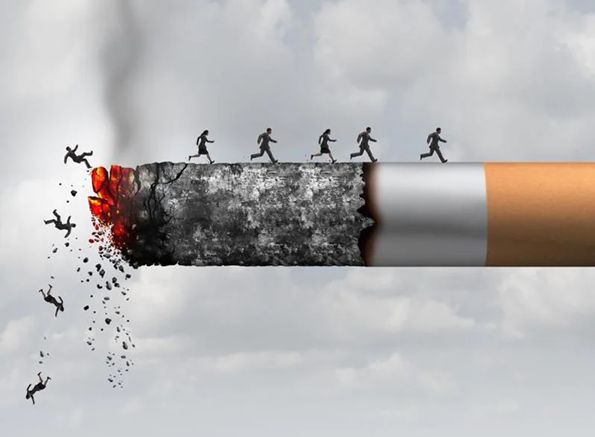


According to researchers, tobacco smoke contains over 4,000 chemicals; out of these, 43 are carcinogenic, i.e., cancer-causing, which include some chemicals like polycyclic hydrocarbons
The history of World No Tobacco Day dates back to 1987 when the World Health Organization (WHO) passed a resolution calling for a day dedicated to highlighting the health risks associated with tobacco use. It is observed on May 31 every year to raise awareness about the harmful effects of tobacco use and to promote policies that reduce tobacco consumption.
At the Union and state levels, multiple legislations have been created to check the unabated use of tobacco and other deleterious and noxious products. However, in public places like hospitals, hotels and restaurants, educational institutions, public transport, and playing fields, the reckless and persistent use of tobacco and other unhealthy products is most concerning as well as worrying. In public transport, drivers and conductors are seen smoking thoughtlessly and irresponsibly, not considering its ill effects and adverse impacts.
Going back to the history of tobacco, it is asserted that Christopher Columbus, along with his companions, while landing on Tobago island in 1492, found the local people using tobacco leaves for pleasure. Since then, the habit of smoking has spread all over the world, and it has assumed the shape of an industry, but at the cost of human health.
Researchers have come up with some astonishing facts. According to them, tobacco smoke contains over 4,000 chemicals; out of these, 43 are carcinogenic, i.e., cancer-causing, which include some chemicals like polycyclic hydrocarbons. It also contains ammonia, formaldehyde, and oxides of carbon, which are thought to be cellular irritants. Carbon monoxide, one of the dangerous culprits reducing the oxygen-carrying capacity of haemoglobin, is also found in tobacco. However, the major component most harmful and affecting the nervous system of humans is nicotine, which is highly addictive. It enhances heart rate and causes hypertension.
Its story doesn’t end here. The tar in tobacco smoke is responsible for causing lung cancer, and smokers are ten times more likely to die from lung cancer than those not smoking. During pregnancy, smoking can increase the risk of low birth weight and even premature babies. Passive smokers are also at high risk of developing many diseases, and it is here that the need to check smoking in public places arises. It is a silent killer that needs an immediate check.
Besides making stringent laws to curb the menace of smoking, through strong campaigning all over the world, people are made aware of the dangerous effects of smoking in the long run. Alongside our elderly people, youngsters are becoming increasingly addicted to smoking, wasting the hard-earned money of their parents in buying costly cigarette packs, completely neglecting the warning lines “Cigarette smoking is injurious to health” and “Smoking causes cancer” written in bold letters on each pack.
Smokers, apart from injuring themselves, are an imminent threat to the whole public when smoking is freely allowed in public places. Reports of altercations between smokers and non-smokers have appeared both in electronic and social media in the past, but the non-seriousness of the law-enforcing agencies to ensure full enforcement of these laws has given them a free hand to put human health at stake. Drivers and conductors are seen smoking in public transport while ferrying dozens of passengers; people dining in hotels and restaurants are enjoying cigarette puffs while dozens of non-smokers are around them; and also, a big chunk of shop fronts are relishing hookah without thinking about its chilling effects and disastrous consequences.
To put a blanket ban on the sale and consumption of tobacco and other related products, it is crucial to get the laws implemented at the grassroots levels, giving awareness to reduce ignorance among the people and prohibiting children from having easy access to such things both at home and school. Religious clerics, teachers, and social activists can play a big role in forbidding local people as well as non-locals from consuming tobacco, gutkha, nevla, and paan—the smokeless tobacco products.
It isn’t out of place to mention here that seminars, debates, and awareness camps are conducted each year on No Tobacco Day in educational institutions, health institutions, and other places. But to make all our strides effective and result-oriented, collective efforts at the individual and community levels need to be initiated at the earliest. In educational institutions, at morning assembly, awareness regarding the ill effects of smoking and tobacco products can help in disseminating a powerful message to curb this ill practice.
So, to safeguard human health, instead of hating smokers, we must teach them how smoking is injurious and bad for health, besides imploring and insisting that they quit. Lastly, we all must inculcate a civic sense to discourage smoking in all public places and restrict the sale of tobacco and cigarette products near places where big gatherings are witnessed on a daily basis.
The writer is a columnist
Rayees Ahmad Kumar
ra***********@***il.com