

In the wake of a brutal attack on tourists, we must reaffirm our shared humanity, reject division and stand together as one community
The serene valleys of Pahalgam, once a symbol of tranquillity, pilgrimage, and poetic reflection, have now borne witness to a tragedy that has left the entire nation in grief. The brutal killing of tourists across the country in a recent terror attack was not just an assault on lives, but on the spirit of shared belonging that this land has quietly nurtured for generations. These were not mere statistics on a headline; they were fathers, daughters, brothers, and friends. They came to the Valley as visitors, guests under the ancient ethos of “Atithi Devo Bhava”, and they were cruelly denied their journey home.
Across Kashmir, homes fell silent in mourning. In a region already familiar with pain, this wound ran deeper because it struck at the idea of Kashmir as a place that welcomes. Locals condemned the attack in mosques and marketplaces. Ordinary citizens extended condolences, offered aid, and stood with their Hindu brethren not because a press release told them to, but because their conscience demanded it. This pain is not divided by religion; it is universally human.
Yet, even as candles were lit in memory, a dangerous flame was stoked elsewhere. In television studios and on social media platforms, a familiar and deeply disturbing pattern began to emerge. Entire communities were blamed, as if a whole people had orchestrated this cruelty. National discourse, instead of reflecting grief and introspection, leaned towards collective condemnation. Terms like “Kashmir’s betrayal” or “they’ve done it again” resurfaced, painting all Kashmiris with the same blood-stained brush.
This is not journalism; it is incitement. And its consequences are already visible. Kashmiri students in metropolitan cities have been harassed, their identities questioned, their safety threatened. The grief of Pahalgam has been tragically hijacked—not by militants alone, but by those who use suffering to divide.
It is in times like these that we must remember who we truly are. Kashmir has long been a cradle of coexistence. For centuries, Muslims, Hindus, Sikhs, and Buddhists lived as neighbors, sharing seasons, harvests, and festivals. It was not uncommon to see a Muslim artisan crafting temple bells, or a Pandit quoting verses from Rumi. The spiritual poetry of Lalla Ded, revered by both Hindus and Muslims, is evidence of a shared soul that transcends sectarian lines.
Even during the worst years of conflict, there were stories of protection and solidarity. Muslim families safeguarded Hindu temples; Sikh communities opened their doors to displaced neighbors. These stories, though quieter than the breaking news alerts, are no less real. They represent the true DNA of Kashmir—not division, but deep-rooted pluralism. To reduce this region to a stereotype of violence is to erase this rich legacy and to rob all Indians of a part of their collective cultural heritage.
The role of the narrative
Tragedies must be reported. Justice must be demanded. But how we do this matters. Responsible journalism does not equate people with perpetrators. It seeks truth, not tribalism. It holds those accountable without condemning entire populations. When headlines use collective terms like “Kashmiris did this” or “the Valley’s violence”, they ignore the grief of thousands of Kashmiris who denounce such acts and who, too, are targets of terror.
It is crucial to draw a line between condemnation of violence and the stigmatization of identity. If we fail to do so, and if we respond with hatred, we will only spread more fear and make the situation worse.
The way forward: Choose compassion over condemnation
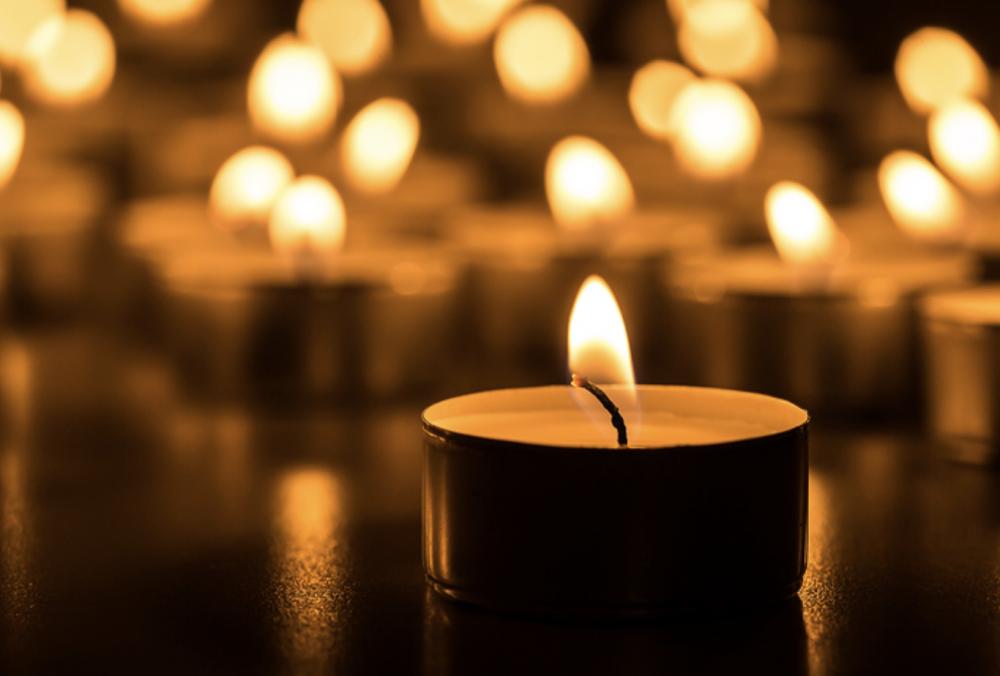
The healing of this moment must come not from outrage, but from responsibility. Our response to tragedy must be guided by empathy and wisdom. First, we must mourn together, not apart. Grief should not be segmented by religion or region—every loss is a human loss. Let us light candles not only for the deceased but also for the shared humanity that binds us all.
Second, we must hold individuals accountable, not entire communities. Justice must be served through the rule of law, not through communal blame or profiling. No identity group should be burdened with guilt for the actions of a few.
Third, we must promote interfaith solidarity. This is the time to share stories of unity—of Kashmiri Muslims who condemned the violence, of Hindus and Muslims standing together, of neighbors protecting each other. These stories are the fabric of our real identity as a people, and they must be heard louder than the noise of division. The media must reclaim its integrity. Newsrooms should resist the temptation to turn human tragedy into drama. The language they use, the headlines they write, the angles they choose—all shape public emotion. Words have power. They can either heal or harm, unite or divide. It is time to choose healing.
Conclusion: What we must remember
Pahalgam is known for its river Lidder, which flows past temples and mosques alike, indifferent to the divisions men create. Let that river remind us that the essence of Kashmir in India is not hatred, but harmony. The militants who orchestrated this attack seek to make us enemies to each other. Let us not grant them that victory.
Let us honour the memory of the lives lost in Pahalgam not just with sorrow, but with a renewed commitment to justice, unity, and truth. Let us ensure that no student is bullied, no family evicted, and no heart hardened by the poison of prejudice.
For in choosing understanding over anger, in seeing people beyond their labels, and in holding onto the ideals of shared humanity, we build a future stronger than fear and far greater than grief.
Zahid Ahmad Lone
lo**********@***il.com