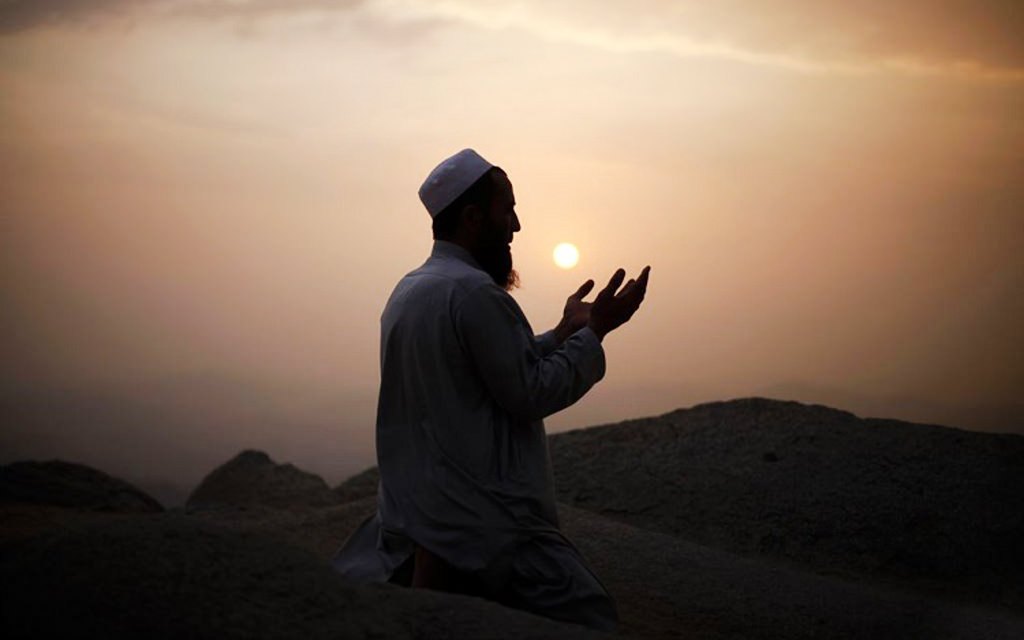


Explore the physical and spiritual advantages of Islamic prayer
One of the major pillars of the Islamic religion is Salah, a spiritual practice performed by Muslims at least five times a day. There is a lot of discussion on the spiritual significance of Salah, but its physical significance is often overlooked. Nowadays, scientific research believes that prayer performed by Muslims five times daily is important both as a ritual and as a physical activity, by which all muscles of the body are activated more than in any other form of physical exercise without fatigue. It stimulates serenity in both body and soul and has long-term health benefits.
Salah is an Arabic word meaning prayer or supplication and can be viewed as a word rooted in connection or contact, as it connects us with Allah. As an obligatory requirement of ritual worship, Salah combines the essential tenets of Islam: the worship of one God, remembrance of Allah, submission to Allah’s will, supplication, and a symbol of unity among the Muslim community. Salah is performed at five appointed times during the day as commanded in the Holy Quran: “Verily, Salah is an obligation on the believers to be observed at its appointed time.” (Qur’an 4:10)
Before Salah, Muslims are instructed to perform ablution (wudu), which signifies cleanliness, beauty, and light. During ablution, the genitals, hands, mouth, nose, face, arms, ears, head, and feet are rinsed and cleaned with clean water. This activity helps in reducing or eliminating the microbial load from the affected areas of the body. Hence, it is a protective or preventive behavior that shields against many infections because it entails personal hygiene.
Allah said: “O you who have believed, when you rise to prayer, wash your faces and your forearms to the elbows and wipe over your heads and wash your feet to the ankles. And if you are in a state of janabah, then purify yourselves. But if you are sick or on a journey, or one of you comes from the place of relieving himself, or you have contacted women and do not find water, then seek clean earth and wipe over your faces and hands with it. Allah does not intend to make difficulty for you, but He intends to purify you and complete His favor upon you that you may be grateful.” [Quran 5:6]
Because of properly performed ablution, several health benefits are gained, such as relaxation of the nervous system, reduced stress, and a decrease in pimples, acne, and wrinkles on the face. It also helps decongest the nasal cavity. Moreover, miswak (brushing of teeth), which is encouraged in wudu or before Salah, enhances memory, eliminates slime, improves the aroma of the mouth, strengthens the gums, clears the voice, triggers appetite, improves eyesight, enhances intelligence, prevents tooth decay, and decongests the mouth.
Islamic prayer, or Salah, consists of both spiritual meditation and physical movements of various parts of the body and is believed to improve equilibrium, balance, and joint flexibility as well as maintain lower limb performance. Each regular prayer consists of a series of postures, movements, and Quranic recitations, along with other specific supplications.
The prayer starts in a standing posture, then the worshipper bends at the waist, placing the hands on the knees while keeping the back straight (Ruk’u). The worshipper then returns to the standing position before adopting a prostrate position (Sajdah), where the forehead, nose, hands, knees, and balls of the toes touch the ground for several seconds. The forearms and elbows should be raised off the floor during prostration, and the worshipper should sit on the legs for a few seconds before rising to stand. This sequence of motion is called Raka’ah and is repeated 2–4 times depending on the statutory number of raka’ah in each specific prayer.
Some of the identified health benefits of various positions of Salah are:
Takbir and Qiyam (Standing Position):
Muslims begin their Salah with Takbir, which requires raising both hands (with the palms open) up to and beside both ears, with thumbs touching the backside of the earlobes and elbows bent. This posture actively engages the pectoralis muscles, which connect the front walls of the chest with the bones of the upper arm and shoulder, allowing them to stretch gently along with the shoulder blades, thus supporting respiratory function. Moreover, weight is evenly distributed between both feet, which helps maintain body balance. The lower back is brought into a neutral position while activating the core muscles, helping to straighten the back and improve posture.
Ruk’u (Bowing Position):
Ruk’u involves forward flexion of the lumbar spine and flexion at the hip joint, while the knee joint bears weight in extension. This position helps minimize the risk of osteoporosis and stretches the paraspinal muscles of the lumbar spine, hamstrings, and calves. It strengthens the back, extends the spine, increases hip and hamstring flexibility, relieves spinal stiffness, and improves posture, balance, and coordination. Ruk’u is beneficial for back pain and spinal health. Additionally, it can help prevent kidney stones and assist in their expulsion if present. This position also promotes oxygen and blood flow to the upper body, including the head, eyes, ears, nose, heart, and lungs.
Sajdah (Prostration):
Sajdah involves lowering the forehead to the ground while keeping the tip of the nose and palms flat on the floor. In this position, the head is lower than the heart, increasing blood supply to the brain. This helps reduce the chances of brain haemorrhage, headaches, and high blood pressure. The enhanced blood circulation also supports cognitive abilities such as memory and concentration. This position strengthens the cervical muscles, stretches the spine and hip joints, and can alleviate lower back pain. Additionally, pressing the stomach against the thighs during Sajdah engages and tightens abdominal muscles, preventing flabbiness.
Jalsa/Tashahhud (Sitting Position):
Sitting in Salah involves sitting on the ground with both legs folded in a way that the heels touch the gluteal region, with hands placed on the knees. This posture stretches the muscles in the ankle and foot, improving flexibility and preventing joint stiffness. The knee joint achieves maximum flexion, which helps in preventing degenerative knee problems. Sitting in a kneeling position maintains good posture, strengthens ligaments, and enhances spinal stability. Rising from Jalsa to continue another Rakʿah involves movements like deep squats and half-kneeling postures, which strengthen core muscles.
Salaam (Neck Turns):
Salaam involves turning the head to the right and left to conclude the prayer. This movement serves as an excellent neck and upper vertebrae exercise, improving the range of motion and stretching the trapezius muscles. It also mobilizes the upper back and thoracic muscles.
Salah is both a spiritual and physical activity, engaging nearly all muscles of the human body more than any other form of exercise without causing fatigue. It induces serenity in both the body and soul. The communication between the central nervous system and autonomic nervous system during Salah promotes relaxation, reduces anxiety, and involves both cognitive and motor functions.
Understanding the wisdom and health benefits of Salah from not only a spiritual perspective but also a physiological one is truly inspiring. It brings us closer to Allah, who, out of His mercy, prescribed this form of worship upon us.
May Allah help us connect with Him at a deeper level and grant us maximum rewards and blessings for offering our obligatory and non-obligatory prayers. Ameen.
The writer is a lecturer in Chemistry
Dr. Nisar Farhad
dr*************@***il.com