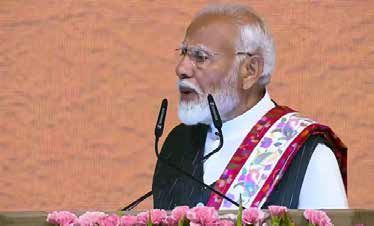


Emphasising the urgent need to tackle rising obesity rates in India, the Prime Minister has called on nominated leaders to promote healthier lifestyles and combat the public health crisis affecting millions
Prime Minister Narendra Modi in his monthly “Man Ki Baat” broadcast has initiated a campaign against obesity. He nominated ten persons including the Chief Minister of our UT Jammu and Kashmir to join his campaign against obesity and requested them to nominate further ten persons each to take this fight forward. Obesity, a growing public health concern, occurs due to abnormal fat accumulation in the body. It can lead to serious health problems, such as heart disease, type-2 diabetes, high blood pressure, and some cancers. It can affect bone health and reproduction. It influences the quality of living, such as sleeping or moving.
India is experiencing a rapid increase in obesity rates, particularly in urban areas. Studies indicate that a substantial portion of the urban population is overweight or obese. India ranks among the top three countries globally with high numbers of obese people. Lifestyle changes, including sedentary behaviour and increased consumption of processed foods, contribute significantly to the rise in obesity. Economic growth and urbanization have led to changes in dietary habits, with a shift towards calorie-dense, nutrient-poor foods. Abdominal obesity is highly prevalent in India, which is a very dangerous form of fat accumulation.
A significant finding is that over one billion people worldwide are now living with obesity. The prevalence of obesity has drastically increased since 1990, with adult obesity more than doubling and adolescent obesity quadrupling. A very large portion of the world’s population is considered overweight. In 2022, 1 in 8 people globally were living with obesity. Billions of adults are overweight, with a substantial portion of those being obese. Children and adolescents are also significantly affected, with millions classified as overweight or obese. This widespread prevalence puts a massive strain on healthcare systems and contributes to numerous health complications.
Obesity is calculated by a tool called body mass index which estimates the body fat by using a person’s weight and height. BMI is calculated by dividing the person’s weight in kilograms by the square of height in meters. It is expressed in kg/m². A BMI value between 18.5 to 25 kg/m² is considered a normal weight. A BMI value less than 18.5 kg/m² is considered underweight and a BMI value of 30 kg/m² or more is an indication of obesity. Waist circumference is a good indicator of abdominal fat. A waist circumference of 40 inches or more for men and 35 inches or more for women is considered obese.
Obesity is a complex health issue with multiple contributing factors. Consuming more calories than the body burns leads to weight gain. This is often due to diets high in energy-dense foods, such as processed foods, fast food, and sugary drinks. Diets rich in saturated and trans fats, refined carbohydrates, and added sugars contribute to weight gain. Lack of fruits, vegetables, and whole grains reduces nutrient intake and can lead to overeating.
Modern lifestyles often involve prolonged periods of sitting, whether at work, school or during leisure time. Reduced physical activity decreases calorie expenditure, leading to weight gain. Changes in transportation, increased screen time, and reduced participation in sports and recreational activities contribute to lower activity levels.
Genes can influence an individual’s susceptibility to obesity by affecting appetite, metabolism, and fat storage. However, genes do not solely determine obesity; environmental and behavioural factors also play a significant role. Easy access to high-calorie, unhealthy foods and limited access to healthy options can contribute to obesity.
Socioeconomic status can influence food choices, access to healthcare, and opportunities for physical activity. Stress and emotional factors can also lead to overeating. Aggressive marketing of unhealthy foods, particularly to children, can influence dietary habits.
Some medical conditions, such as hypothyroidism, Cushing’s syndrome, and polycystic ovary syndrome (PCOS), can contribute to weight gain. Certain medications, including some antidepressants, steroids, and antipsychotics, can cause weight gain as a side effect.
Obesity has far-reaching effects on health, impacting nearly every system in the body. Excess weight puts extra strain on the heart, leading to elevated blood pressure. It can disrupt lipid levels, increasing “bad” cholesterol (LDL) and decreasing “good” cholesterol (HDL). These factors increase the risk of heart attacks, heart failure, and other cardiovascular problems. Obesity increases the risk of blood clot formation and arterial damage which contribute to a higher likelihood of stroke.
Obesity disrupts the body’s ability to regulate blood sugar, leading to insulin resistance and type 2 diabetes. Excess weight can obstruct the airways, leading to pauses in breathing during sleep.
Excess weight puts extra stress on joints, particularly the knees and hips, leading to cartilage breakdown and osteoarthritis. It can strain the back, causing chronic pain.
Obesity is associated with an increased risk of several cancers, including endometrial, breast, colon, kidney, liver, and pancreatic cancers.
Obesity increases the risk of gallstones and gallbladder disease. Excess fat accumulation in the liver can lead to inflammation and liver damage.(Non-alcoholic fatty disease). Increased abdominal pressure can cause stomach acid to flow back into the oesophagus (Gastroesophageal reflux disease)
Obesity can contribute to feelings of low self-esteem and depression. Body image concerns and social stigma can lead to anxiety.
Tackling obesity requires a multifaceted approach, addressing both individual behaviours and societal factors. There is a need to promote healthy eating habits by encouraging the eating of fruits, green leafy vegetables and salads. Limit intake of processed foods, sugary drinks, and saturated/trans fats. Promote mindful eating and portion control. Make healthy food options more accessible and affordable. Restrict the marketing of unhealthy foods, especially to children. Implement clear food labelling to help consumers make informed choices.
Encourage regular exercise by Promoting at least 150 minutes of moderate-intensity or 75 minutes of vigorous-intensity aerobic activity per week. Integrate physical activity into daily routines, such as walking or cycling. Develop safe and accessible spaces for physical activity, such as parks, bike lanes, and walking trails. Promote active transportation and reduce reliance on cars.
Provide individuals with personalized advice on diet, exercise, and behaviour modification. Address emotional eating and other psychological factors that contribute to obesity. Offer structured programmes that combine dietary changes, physical activity, and behavioural support.
Prescribe anti-obesity medications for individuals with significant health risks. Consider bariatric surgery for individuals with severe obesity who have not achieved success with other methods.
Implement policies to regulate the food industry, such as taxes on sugary drinks or restrictions on junk food advertising. Develop programmes that promote healthy lifestyles in schools, workplaces, and communities. Initiate public health campaigns to raise awareness about the risks of obesity and the benefits of healthy lifestyles.
By implementing a combination of these measures, we can create a healthier environment and help individuals achieve and maintain a healthy weight.
The writer is a teacher at Higher Secondary School Nehalpora, Pattan
Kousar Ahmed Rather
ko************@***il.com