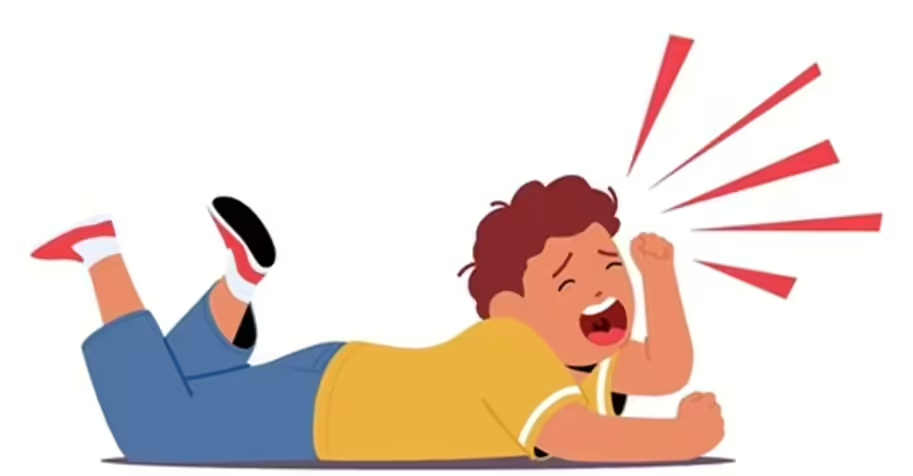


Transform emotional outbursts into opportunities for growth: a guide for parents on handling tantrums with patience and empathy
Tantrums are an inevitable part of childhood, particularly between the ages of 1 and 4 years. These emotional outbursts, characterized by crying, yelling, kicking, or even throwing objects, are a child’s way of expressing overwhelming feelings. For parents, managing tantrums can be one of the most challenging aspects of raising a child. However, understanding the root causes and implementing effective strategies can turn these episodes into opportunities for growth.
Understanding Tantrums
Tantrums stem from a variety of reasons, and understanding these can help parents address the underlying issue rather than just the behaviour.
- Developmental Factors:
At a young age, children lack the emotional regulation and language skills needed to express their feelings. This frustration often manifests as a tantrum.
- Basic Needs:
Hunger, tiredness, or overstimulation are common triggers. A child, unable to verbalize these needs, may resort to crying or other extreme behaviours.
- Independence and Control:
As children grow, they develop a desire for independence and control over their environment. When denied autonomy, such as not being allowed to choose a toy or snack, they might react with frustration.
- Attention-Seeking:
Children often use tantrums as a way to capture their parents’ attention, especially if they feel neglected or ignored.
How to Respond to Tantrums
Dealing with a tantrum requires patience, empathy, and a strategic approach. Here are effective ways to handle these situations:
- Stay Calm
Children often mirror the emotions of adults. If a parent reacts with anger or frustration, the child’s behaviour is likely to escalate. Staying calm demonstrates emotional control and sets an example for the child. Take a deep breath before responding and remind yourself that tantrums are a natural part of their development.
- Validate Their Feelings
Acknowledging your child’s emotions is crucial. Say something like, “I understand you’re upset because you can’t have that toy right now.” This helps the child feel heard and reassures them that their emotions are valid.
- Set Clear Boundaries
While validating their feelings, it’s equally important to set limits on unacceptable behaviour. For example, calmly say, “It’s okay to be upset, but it’s not okay to throw things.” Consistent boundaries help children understand what is acceptable.
- Offer Choices
Providing choices can help the child regain a sense of control. For instance, say, “Do you want to play with blocks or read a book?” This not only distracts them but also teaches decision-making skills.
- Distract and Redirect
If a tantrum starts to build, distraction can work wonders. Engage them in a different activity or point out something interesting, like a bird outside the window. Redirecting their focus can quickly diffuse the situation.
- Avoid Giving In
It’s tempting to give in to a child’s demands to end the tantrum, but doing so reinforces the behaviour. Consistently standing firm teaches them that tantrums aren’t an effective way to get what they want.
- Teach Emotional Regulation
Once the child has calmed down, use the opportunity to teach them about emotions. Help them identify their feelings by saying, “You were feeling frustrated because you couldn’t have the toy.” Over time, they will learn to express emotions verbally instead of through outbursts.
- Use Positive Reinforcement
Encourage and praise good behaviour. For example, say, “I’m proud of how you asked for help instead of getting upset.” Rewarding positive actions reinforces constructive ways of handling situations.
Preventing Tantrums
While not all tantrums can be avoided, certain strategies can reduce their frequency and intensity.
Meet Basic Needs:
Ensure your child is well-fed, rested, and not overstimulated. A child who is hungry or tired is more prone to outbursts.
Establish Routines:
Predictable routines provide children with a sense of security and reduce anxiety.
Encourage Independence:
Allow your child to make age-appropriate choices, such as picking their clothes or deciding which book to read.
Communicate Clearly:
Use simple, clear language to explain situations. For example, “We’re going to the park after lunch, not now.” This reduces misunderstandings.
Teach Coping Skills:
Introduce techniques like deep breathing or counting to ten. These tools help children manage their emotions over time.
When to Seek Professional Help
While tantrums are a normal part of childhood, some situations may require professional intervention. If your child’s tantrums are frequent, intense, or persist beyond the age of four, consult a paediatrician or child psychologist. They can assess whether underlying issues, such as sensory processing challenges or anxiety, may be contributing to the behaviour.
A Gentle Reminder for Parents
Parenting is a journey filled with both challenges and rewards. Tantrums, while difficult to navigate, are an important part of a child’s development. They provide opportunities for children to learn about emotions, boundaries, and communication.
As a parent, your calm and empathetic approach can make all the difference. By staying patient, validating your child’s feelings, and teaching them healthier ways to express emotions, you are nurturing their emotional growth and resilience.
Remember, no parent is perfect, and every child is unique. What works for one child may not work for another. The key is to remain consistent, compassionate and committed to guiding your child through their emotional journey.
With time and practice, tantrums will become less frequent, and you’ll see your child developing into a more emotionally aware and self-regulated individual.
By Iqbal Ali
iq***********@***il.com