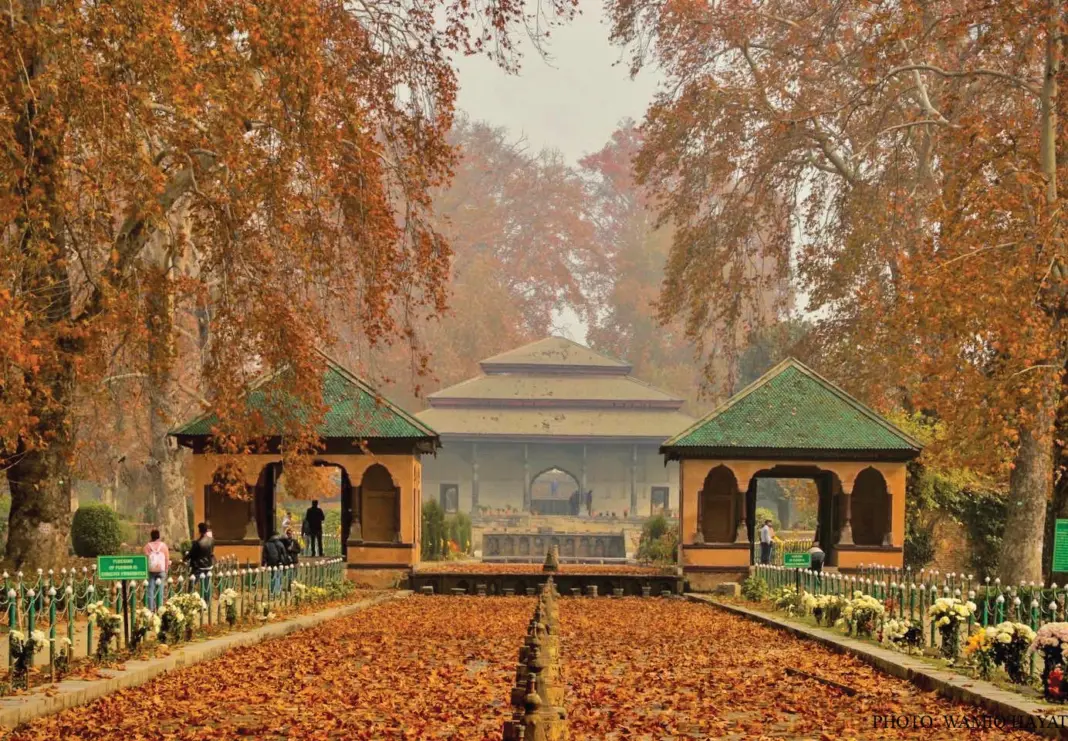


The ecologically sensitive Kashmir Valley is facing unprecedented environmental stress. Experts warn that a convergence of rapid urbanisation, unregulated tourism, and climate change is pushing the region’s fragile ecosystem toward irreversible damage. Key tourism hubs, including Dal Lake, Gulmarg, Pahalgam, and Sonamarg, are witnessing significant degradation due to pollution, infrastructure stress, and habitat loss.
Faizan Mushtaq
The ecologically sensitive Kashmir Valley is facing unprecedented environmental stress. Experts warn that a convergence of rapid urbanisation, unregulated tourism, and climate change is pushing the region’s fragile ecosystem toward irreversible damage.
The Pillars Of A Vulnerable Region
Situated within the Himalayan mountain system, Kashmir is one of the world’s most ecologically sensitive regions. Its forests, glaciers, rivers, and wetlands provide essential ecosystem services, including freshwater supply, biodiversity conservation, carbon sequestration, and climate regulation. However, these natural resources are increasingly compromised by excessive developmental activities and land-use changes.
The Impact Of Unchecked Growth
The region is currently struggling to manage the environmental footprint of its popularity. Key tourism hubs—including Dal Lake, Gulmarg, Pahalgam, and Sonamarg—are witnessing significant degradation due to:
– Pollution and Waste: Inadequate waste management systems and rampant plastic pollution have degraded the landscape.
– Infrastructure Stress: Traffic congestion, illegal construction, and encroachment on wetlands have severely reduced the area’s ecological carrying capacity.
– Habitat Loss: Forests face threats from illegal logging, infrastructure expansion, and frequent forest fires, leading to habitat fragmentation that endangers local wildlife and migratory bird populations.
The Climate Reality
Climate change has acted as a force multiplier for these existing challenges. Rising temperatures have accelerated the melting of Himalayan glaciers, altered rainfall patterns, and increased the frequency of extreme weather events. The devastating floods of 2014 served as a stark reminder of the consequences of poor land-use planning and wetland loss.
Recent indicators—including flash floods in Pahalgam, unseasonal temperature spikes, uneven drought patterns, and inadequate winter snowfall—underscore the severe disturbance to the valley’s ecosystem.
A Path Toward Sustainability
To preserve the valley’s natural beauty and ensure the resilience of future generations, environmentalists advocate for a transition toward sustainable development. Key recommendations include:
– Policy Enforcement: Strengthening environmental impact assessments and strictly enforcing sustainable tourism practices.
– Restoration Efforts: Prioritising the restoration of wetlands and forests alongside improvements in solid waste management.
– Community Engagement: Promoting local participation in conservation efforts and implementing integrated Himalayan ecosystem management.
– Climate Adaptation: Integrating long-term climate adaptation strategies into regional planning.
The Growing Threat
The growing number of tourists has placed immense pressure on destinations such as Dal Lake, Gulmarg, Pahalgam, and Sonamarg. Inadequate waste management, plastic pollution, traffic congestion, and illegal construction have degraded the natural landscape and reduced the ecological carrying capacity of these areas. Encroachment on wetlands and shrinking water bodies have further weakened the valley’s environmental resilience.
Climate change has compounded these challenges. Rising temperatures have accelerated the melting of Himalayan glaciers, altered rainfall patterns, and increased the frequency of floods, landslides, and drought-like conditions. The devastating floods of 2014 demonstrated the consequences of wetland loss, unchecked urban expansion, and poor land-use planning.
Forests are also under severe pressure from illegal logging, infrastructure expansion, and forest fires, leading to habitat fragmentation and biodiversity loss. Wildlife species face shrinking habitats, while the degradation of wetlands threatens migratory birds that depend on Kashmir as a seasonal refuge.
Recommendations And The Way Forward
Environmentalists recommend:
– Strengthening environmental impact assessments
– Enforcing sustainable tourism practices
– Restoring wetlands and forests
– Improving solid waste management- Promoting community participation in conservation
– Implementing integrated Himalayan ecosystem management and climate adaptation strategies
As Kashmir continues to balance economic development with environmental protection, experts emphasise that sustainable development remains the only viable path forward. Protecting the valley’s unique ecosystem is not only essential for preserving its natural beauty but also for ensuring water security, disaster resilience, and the livelihoods of future generations.
Events such as the Pahalgam flash flood, the rise in normal temperatures across the valley, uneven drought patterns, and inadequate snowfall during winters are the main indicators of these uneven weather conditions. In order to reduce the impact of these conditions, there must be awareness among people about the sustainable use of resources, alongside government initiatives to protect our ecosystem.
ma**********@***il.com